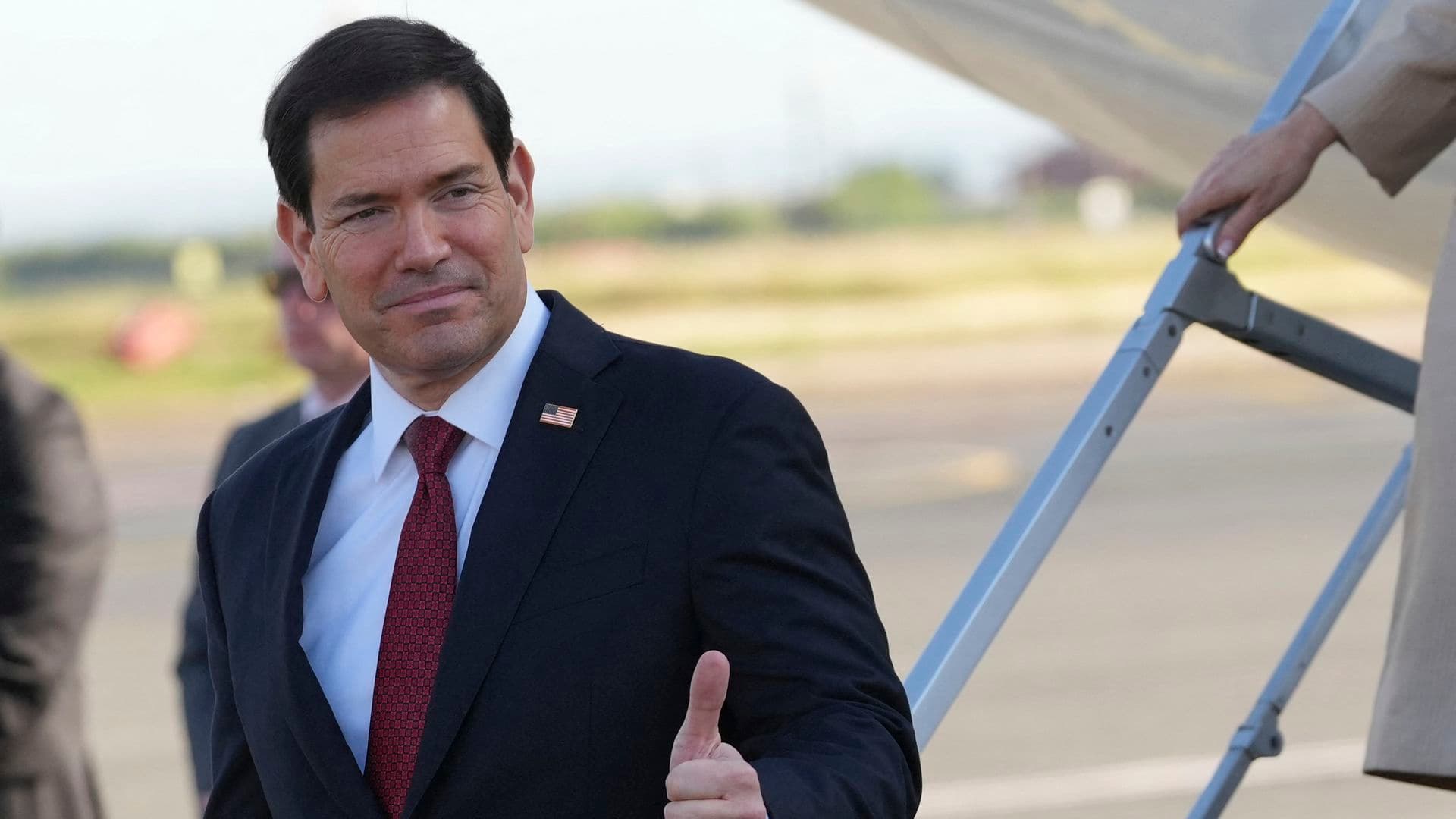
AP tracker shows record congressional turnover ahead of 2026 elections
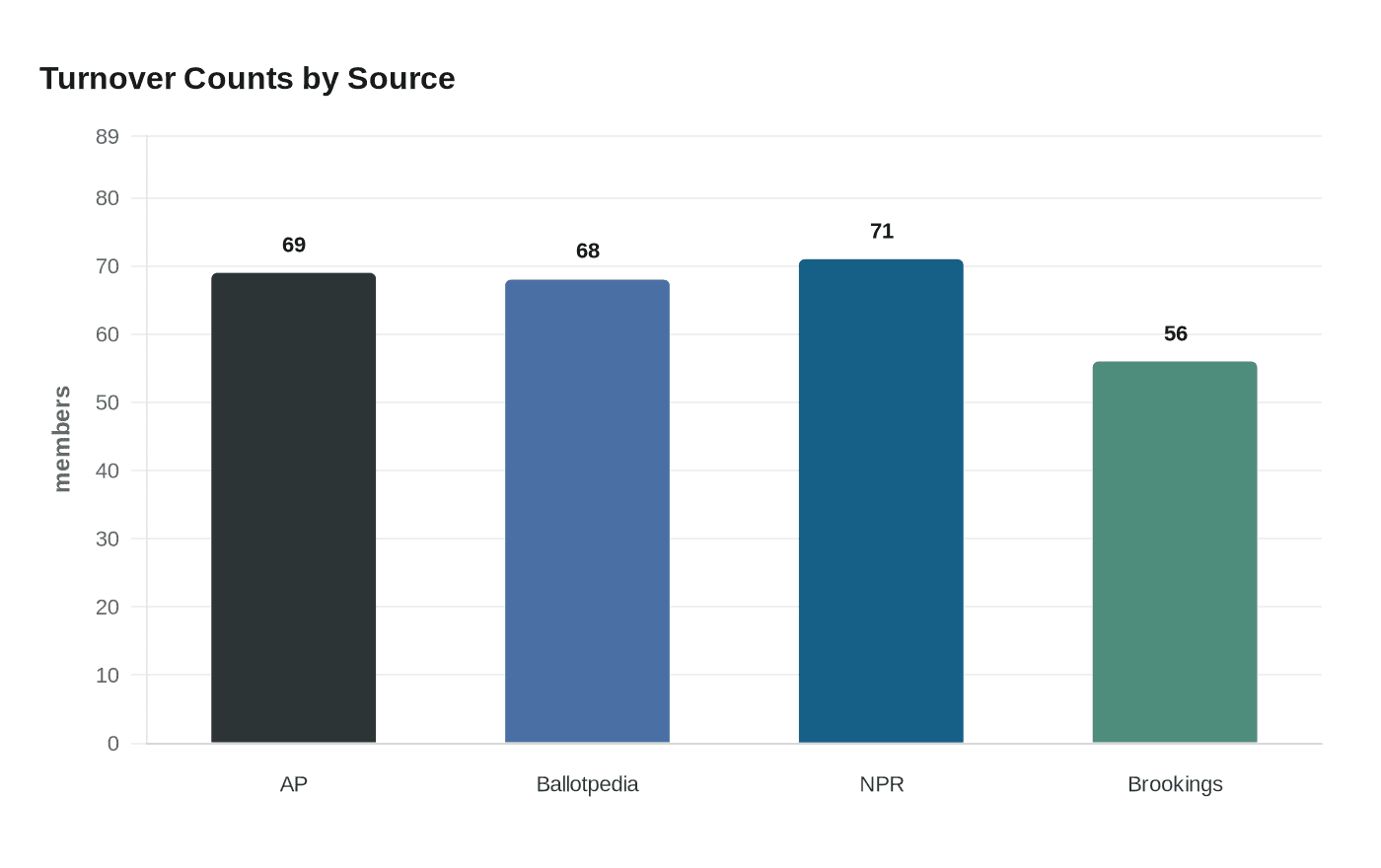
Congress is heading toward record turnover, with 69 members already out or gone from their current seats and more departures still reshaping the map.
Congress is heading into the 2026 elections with a level of turnover that is already changing the shape of both chambers. The Associated Press tracker has logged 69 senators and representatives who have either said they will not seek reelection in their current seats or have lost their primaries, a pace that underscores how quickly veteran lawmakers are leaving the field.
The numbers vary by definition, but the trend line points the same way. Ballotpedia said 68 voting members, 11 senators and 57 House members, were not seeking reelection as of May 15. NPR put the broader total at 71 current House and Senate members planning to leave their seats or run for another office. Brookings said the House alone had seen 56 retirement announcements by April 16, the most in more than 30 years, and that 63% of those retirees were Republicans. The group included 18 subcommittee chairs and three committee chairs, a warning sign for institutional memory inside the chamber.
Some of the departures have come from prominent names. Sam Graves became the 36th Republican and 57th House member to announce that he would not seek reelection. Jodey Arrington, Morgan Luttrell and Don Bacon are also among those leaving, while 20 Republicans are running for Senate or governor. Two other Republicans, Marjorie Taylor Greene and Mark Green, departed before the end of the term, and Dan Crenshaw lost his Texas primary. Brookings said the average tenure of retiring Republicans had dropped to five terms, evidence that this is not only an age story but also a sign of how punishing the job has become.
The reasons are as political as they are personal. Lawmakers have cited family obligations, exhaustion, frustration with Washington’s pace and tone, and a desire to serve in a different way. Some have said the next chapter of their mission belongs outside elected office. Others have stressed the value of making room for the next generation, or described independent thinking and bipartisanship as increasingly rare. Casey Burgat of George Washington University has argued that members are signaling they can do more good outside the chamber than inside it.
That exodus matters because open seats are usually more competitive than races with incumbents, and a wave of retirements can alter the balance of power in both the House and Senate. It is already shaping recruiting, fundraising and redistricting fights before voters cast ballots on November 3, 2026. Brookings has flagged health care affordability, an unpopular war in Iran and the federal immigration crackdown as part of the broader midterm backdrop, while Republicans face an especially difficult path to defend their narrow House majority. The next Congress may be replenished with new faces, but the central test will be whether it is more responsive to voters or simply less functional once it arrives in Washington.
Know something we missed? Have a correction or additional information?
Submit a Tip