American passenger on hantavirus-hit cruise says quarantine order misled him
An American traveler on the MV Hondius says a late quarantine order left him blindsided after travel plans were already in motion.

An American passenger on the hantavirus-hit cruise ship MV Hondius said a new quarantine order arrived after he believed he was already clear to leave, leaving him blindsided and misled as public-health officials scrambled to contain a fast-moving outbreak across several countries.
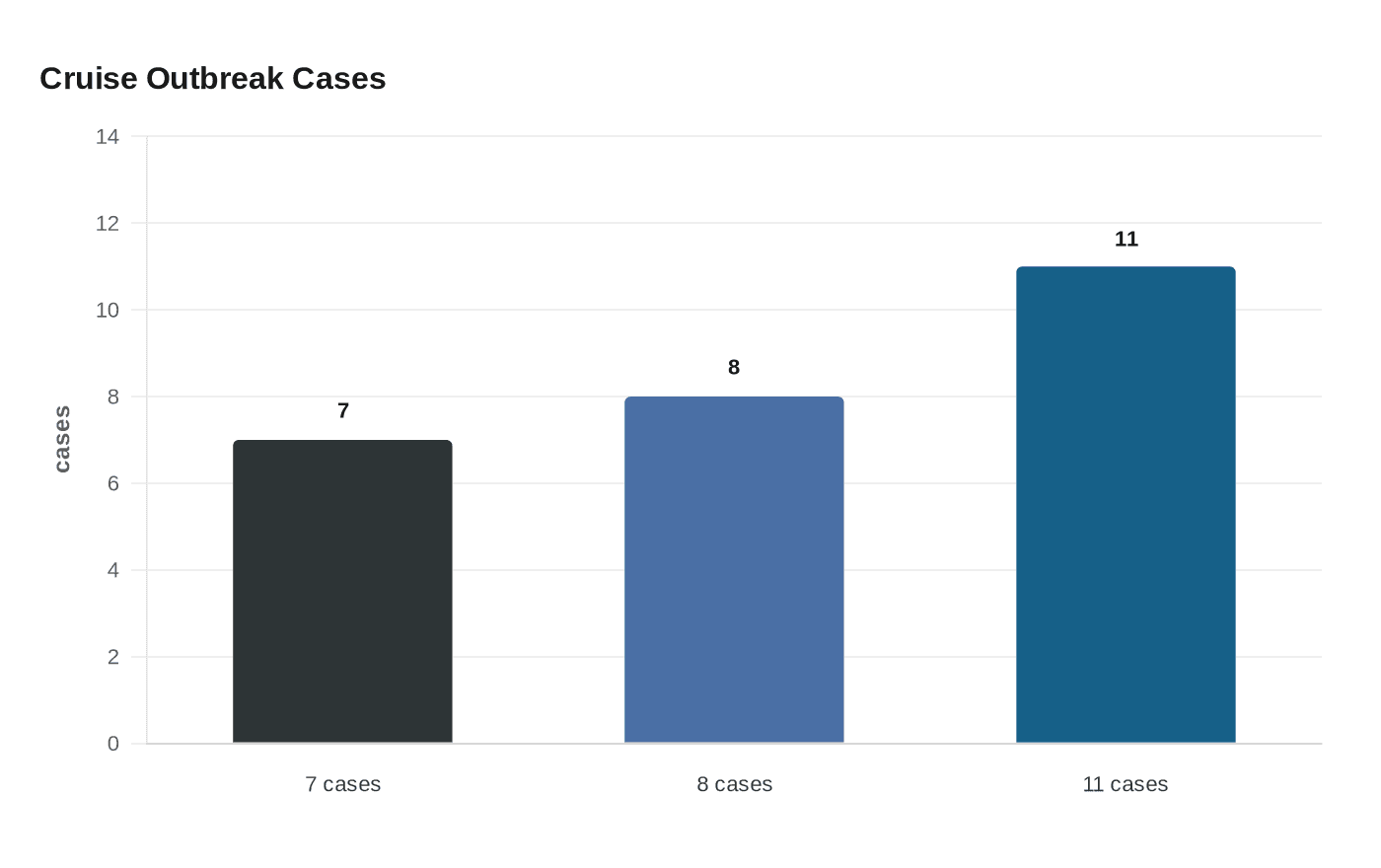
The ship entered the center of the alarm after the World Health Organization first reported a severe respiratory-illness cluster aboard the vessel on May 2. At that point, the MV Hondius had 147 passengers and crew on board, while 34 others had already disembarked. Within days, the count rose from seven cases, including three deaths, to eight cases with six laboratory-confirmed Andes virus infections, and then to 11 cases, including three deaths by May 13.
That disease pattern has made the response unusually complex. The Centers for Disease Control and Prevention says Andes virus is the only hantavirus documented to spread person-to-person, and even then transmission is rare and typically requires close, prolonged contact with a symptomatic person. The agency has said the risk to the American public remains extremely low, even as it worked with U.S. and international partners to bring Americans home and repatriated 18 passengers who remained on the ship on May 10.
The timing of the quarantine orders is what has fueled the sharpest frustration. In Nebraska, health officials ordered exposed cruise passengers to remain in isolation after travel arrangements were already underway, an extraordinary step that affected travelers who had expected to continue home. That included Americans sent to Omaha, where state and federal officials were trying to monitor possible exposure while also limiting further spread.
Oceanwide Expeditions said 114 guests boarded in Ushuaia, Argentina, on April 1, and that 30 guests later disembarked in Saint Helena on April 24, including the body of a passenger who died on board on April 11. The company said the first confirmed case was not reported until May 4, even though the World Health Organization later said illness onset among cases ranged from April 6 to April 28 and included fever, gastrointestinal symptoms, rapid progression to pneumonia, acute respiratory distress syndrome and shock.
The outbreak has since reached multiple countries, with WHO describing a coordinated response centered on safe disembarkation, onward travel, quarantine, screening and contact tracing. Oceanwide said one Swiss passenger from the first leg of the voyage tested positive and was being treated at University Hospital Zurich, while his wife self-isolated as a precaution. Utah health officials also said they were working with three Utahns exposed aboard the ship, underscoring how a cruise that began in late March became an international public-health problem by mid-May.
Know something we missed? Have a correction or additional information?
Submit a Tip