American surgeon in Congo faces Ebola after treating patient
An American surgeon who came to heal patients in Congo was evacuated to Germany after a possible Ebola exposure, underscoring how fast a routine operation can turn into outbreak response.
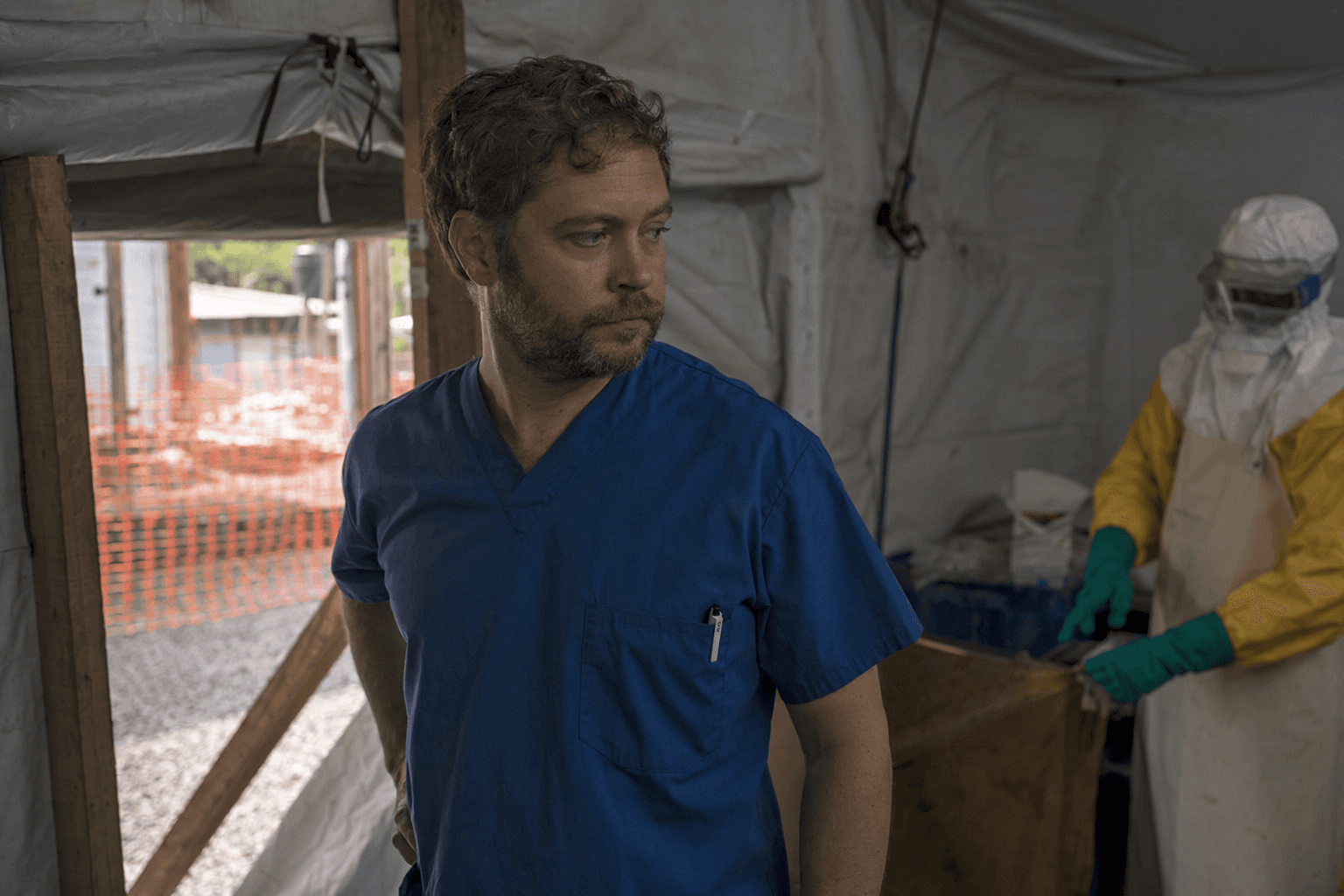
Peter Stafford, an American medical missionary and surgeon at Nyankunde Hospital near Bunia in Congo’s Ituri province, was evacuated to Germany for treatment after a patient he thought had a gallbladder infection was later linked to Ebola. His wife and four children were being monitored in Congo, a stark reminder that a single hospital encounter can quickly pull an entire family into the orbit of an outbreak.
The case sits at the center of the Democratic Republic of the Congo’s latest Ebola emergency, the country’s 17th recorded outbreak since Ebola was first identified there in 1976. The World Health Organization said blood samples analyzed on May 14 confirmed Bundibugyo virus disease, and it announced the finding on May 15. By May 16, WHO-referenced figures showed 8 laboratory-confirmed cases, 246 suspected cases and 80 suspected deaths in Ituri province, with cases reported across Bunia, Rwampara and Mongbwalu health zones.
WHO said Bundibugyo outbreaks have carried case fatality rates of 30% to 50% in past outbreaks and warned that there is no licensed vaccine or specific therapeutic for this species. On May 17, the agency declared the outbreak a Public Health Emergency of International Concern, saying the event was extraordinary and required global solidarity. The alert was not just about Congo’s interior. An imported case in Uganda showed how easily Ebola can cross borders when contact tracing, isolation and safe burial systems are strained.
For U.S. readers, the most immediate question is what this means for hospitals and airports at home. On May 18, the Centers for Disease Control and Prevention said it had implemented enhanced travel screening, entry restrictions and other public health measures to reduce the chance of Ebola entering the United States. The agency said the risk of spread to the U.S. remained low, but the move underscored a familiar truth: Ebola containment depends on rapid detection, strict infection control and clear communication long before a patient reaches an American emergency department.
The wider response is still being built. Africa Centres for Disease Control and Prevention urged urgent regional coordination, and Médecins Sans Frontières said it was preparing to scale up its work in Ituri. For Stafford, the mission that began as bedside surgery became part of a larger outbreak fight, one that now tests the same fragile systems that have repeatedly determined whether Ebola stays local or spreads.
Know something we missed? Have a correction or additional information?
Submit a Tip