Apple backs Google in fight over EU Android AI access rules
Apple joined Google in resisting EU rules that would let rival AI apps tap Android features like wake words and email sending. Brussels says the fight will shape who controls AI on phones.
Apple has lined up with Google in a fight over whether Europe can force Android to open its AI plumbing to rivals, turning a technical compliance case into a broader struggle over who controls the AI experience on smartphones. The European Commission’s draft measures would let competing AI services interact with Android apps and carry out tasks such as sending email, ordering food and sharing photos, while also allowing activation through a custom wake word.
The dispute sits inside the Digital Markets Act, the European Union’s platform law aimed at making digital markets more contestable by constraining designated gatekeepers. The Commission opened specification proceedings on Google’s Android interoperability obligations on January 27, 2026, then sent Google preliminary findings and draft measures on April 27, 2026. Interested parties were invited to comment through May 13, 2026. Under Article 6(7), gatekeepers must give third parties free and effective interoperability with hardware and software features controlled by their operating systems.
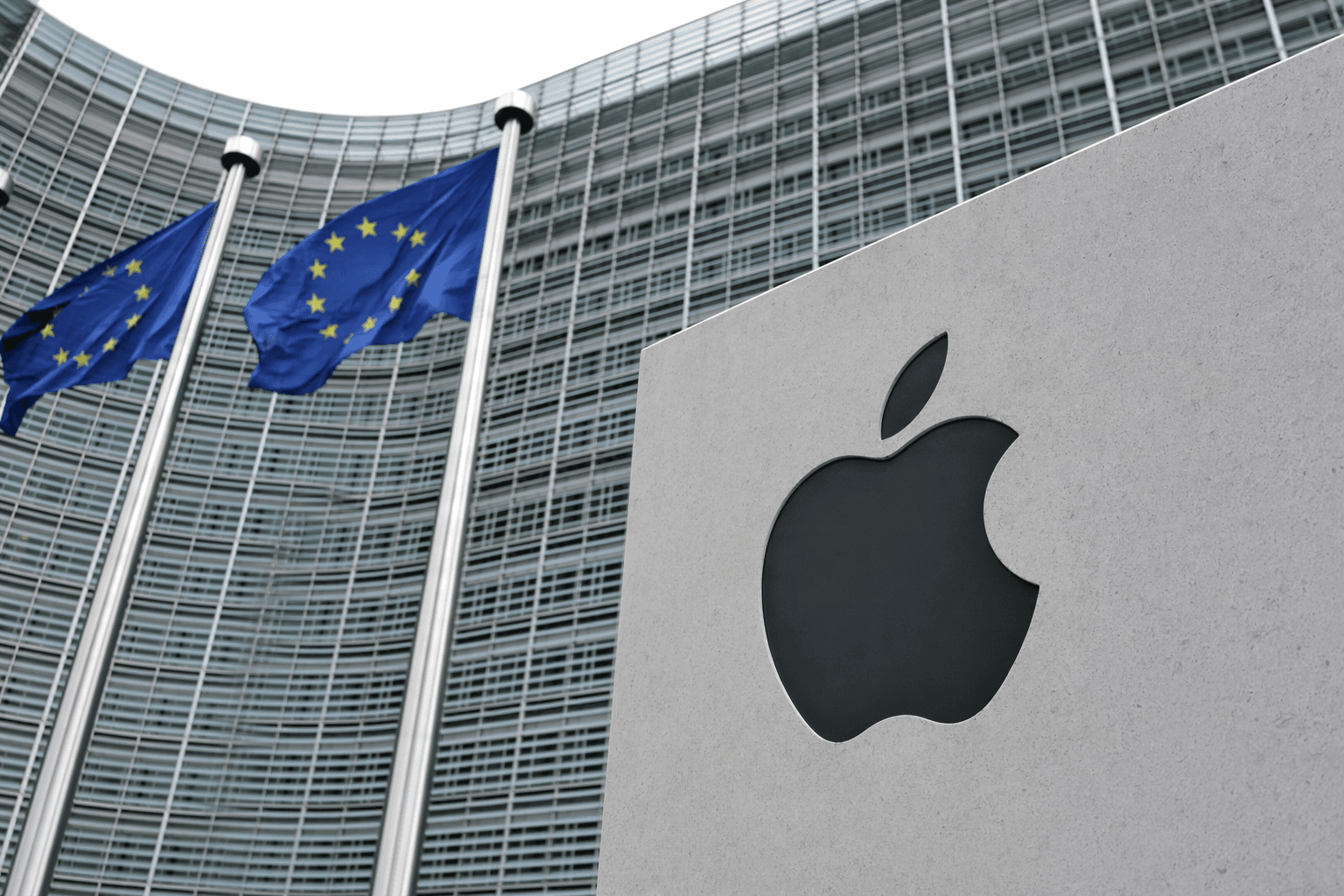
Apple’s intervention matters because the company is not a bystander. Alphabet was designated a DMA gatekeeper on September 6, 2023, alongside Apple, which was covered for iOS, Safari and the App Store. The Commission later designated Apple’s iPadOS as a gatekeeper on April 29, 2024. Apple also faced separate DMA decisions specifying its interoperability obligations in March 2025, giving it a direct stake in how far Brussels goes in forcing operating systems to open to outside developers and services.
The Commission says the Android measures are meant to ensure competing AI services can work on equal terms with key phone functions and help smaller providers innovate on smart mobile devices. The broader message from Brussels is that users should be able to choose which AI tools they encounter, rather than having those decisions made by the gatekeeper that controls the operating system. That approach could reshape competition not only among Google and Apple, but also for smaller AI firms trying to gain access to users through mobile devices rather than through a stand-alone app.
Apple and Google, by contrast, argue that forced access can weaken privacy, security and safety protections. The clash goes beyond antitrust formalities. It is about whether regulators will treat interoperability as a way to pry open closed ecosystems, or whether platform owners can keep deciding which AI services users see first. The Commission’s April 28, 2026 DMA review said the law remains fit for purpose and has already expanded user choice and developer opportunities, but it also acknowledged calls for stronger enforcement and more transparency. That makes the Android AI case a test of how deeply Europe is willing to reach into the operating system layer of the tech stack.
This article was produced by Prism’s automated news system from verified source data, official records, and press releases, then run through automated quality and moderation checks before publishing. The system is built and supervised by the people who set the standards it runs under. Read our full AI policy.
Did this article answer your question?