Armani succession plan may split stake among LVMH, L'Oréal, EssilorLuxottica
Armani’s heirs weighed splitting a 15% stake among LVMH, L’Oréal and EssilorLuxottica. The move would test how much independence the house can keep.

Armani’s succession plan moved closer to a decisive first test as the house considered carving a 15% stake into three equal pieces for LVMH, L’Oréal and EssilorLuxottica. The proposal pointed to a transition built around continuity rather than a simple auction, with Giorgio Armani’s preferred commercial partners positioned to shape the next phase of one of Europe’s most guarded luxury groups.
The founder’s will set the timetable. Armani, who died at 91 in September 2025, instructed heirs to sell an initial 15% stake within 12 to 18 months of his death, then transfer a further 30% to 54.9% to the same buyer within three to five years. If no suitable buyer emerged, an initial public offering was laid out as an alternative route. The first stake sale was therefore only the opening move in a much larger transfer of control.
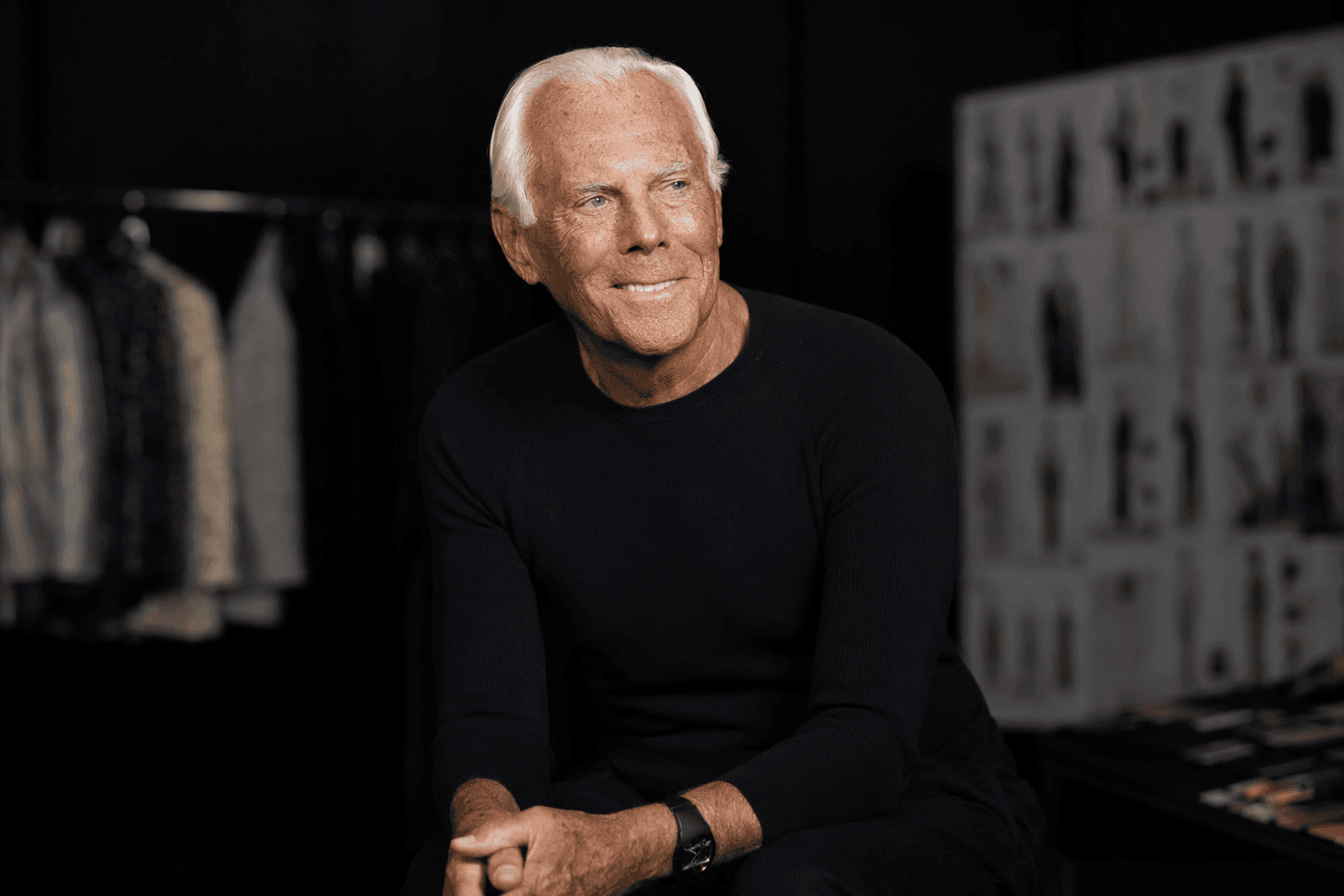
Giorgio Armani chief executive Giuseppe Marsocci was preparing a business plan and moving to appoint two advisers to oversee the process and share the five-year plan with possible investors. A company representative declined to comment, but the structure of the sale suggested a carefully managed handoff in which the founder’s estate and advisers tried to preserve Armani’s negotiating power even after his death. Splitting the 15% among three buyers could keep all three interested while preventing any single partner from dominating too early.
The names on the list were significant. LVMH, L’Oréal and EssilorLuxottica were already identified by Armani as preferred buyers, a signal that the estate was trying to honor the founder’s wishes and preserve strategic links already embedded in the brand. L’Oréal first partnered with Armani in 1988 and renewed its beauty license through 2050 in 2018. EssilorLuxottica renewed its eyewear licensing agreement for 15 years in September 2022, effective January 1, 2023, and the two companies said their shared eyewear history also dated to 1988. Those long ties made any stake purchase look more like a deepening of existing alliances than a hostile takeover.
The numbers showed why the succession carried wider market weight. Armani Group reported consolidated net revenues of about €2.3 billion in 2024, EBITDA of €398 million, down 24% from a year earlier, and net cash and cash equivalents of €569.7 million at the end of 2024, down from €945.6 million a year earlier. Even with softer luxury demand and heavy investment in flagship renovations and e-commerce, the balance sheet still gave the house room to negotiate from strength. Any deal would therefore be watched not only as a family transition, but as a signal of how far founder-led luxury brands can remain independent before capital, licensing and governance pull them into the orbit of larger groups.
This article was produced by Prism’s automated news system from verified source data, official records, and press releases, then run through automated quality and moderation checks before publishing. The system is built and supervised by the people who set the standards it runs under. Read our full AI policy.
Know something we missed? Have a correction or additional information?
Submit a Tip