Lab Raises Bar for Global Cacao Quality, Farmers Benefit
A Rome lab standardized 191 cacao samples from 45 origins, giving growers a clearer shot at premium buyers, better pricing and stronger leverage.
A standardized lab test can do more than rank flavor. It can decide which cacao earns premium attention, which buyers come back, and how much leverage farmers have before beans are ever turned into chocolate.
That is the bet behind Cacao of Excellence, the biennial program launched in 2009 to connect science, capacity building and excellence at origin. Its Rome-based R&D Laboratory and Training Centre, unveiled on March 30, 2023, sits at Via Baccio Baldini 4 and was designed to process and evaluate samples from more than 55 participating origins. Program leaders said the facility took 14 years to bring online and had backing from more than 30 public and private partners and supporters.
The lab is now at the center of a highly controlled process that is meant to separate real quality from marketing. For the 2025 awards, 191 samples from 45 cacao origins were processed under standard protocols, then blind-coded and judged by the Technical Committee, an independent group of international flavor experts. The Best 50 cacaos were then turned into dark chocolate using a standard recipe, so the final tasting reflected the cacao itself rather than a maker’s technique. An international jury then assigned Gold, Silver and Bronze recognitions.
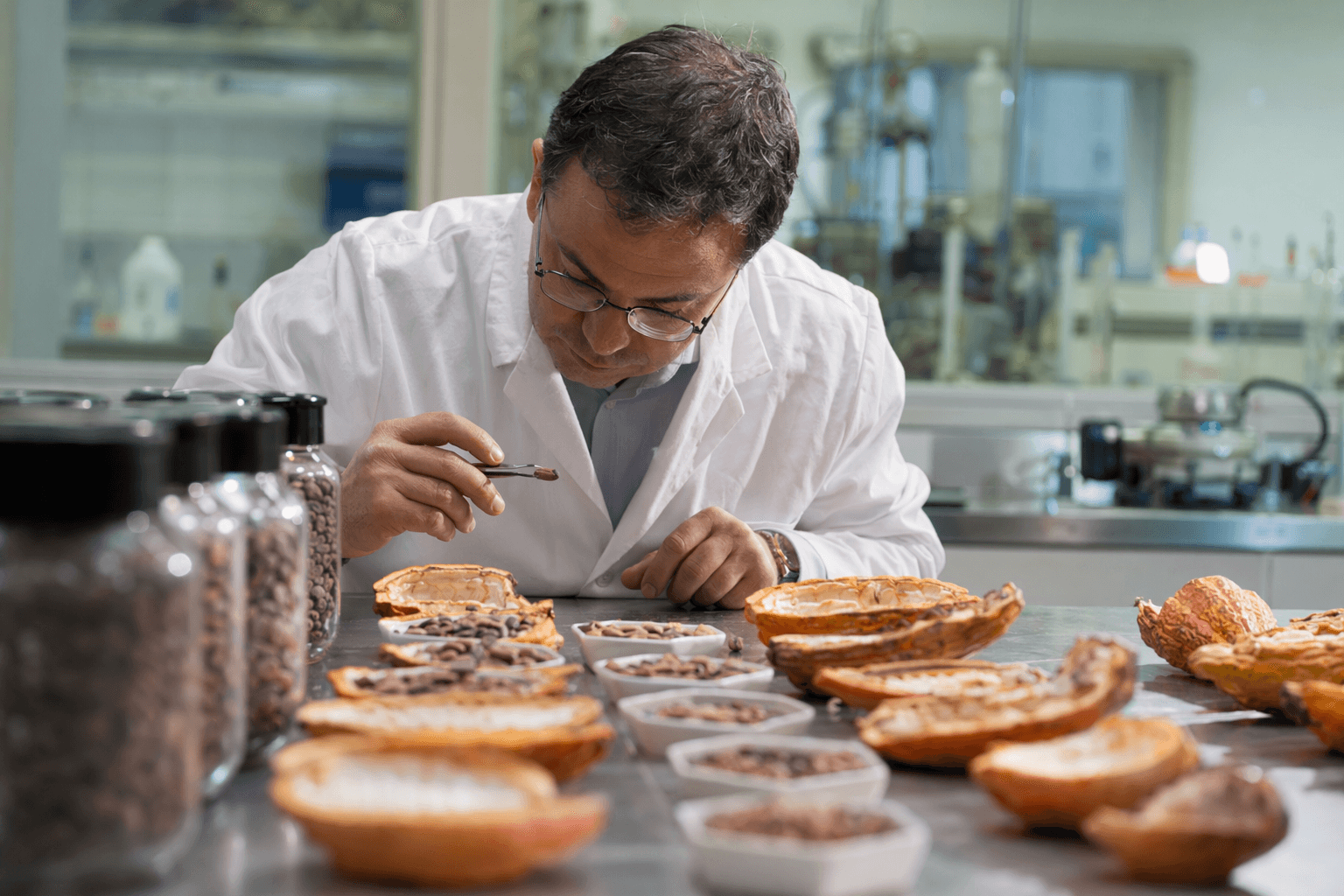
That system matters because the stakes extend far beyond trophies. Cacao of Excellence says producers receive expert feedback on physical and sensory quality, international visibility, and access to chocolate makers, buyers and markets that pay for quality. In practice, that can change sourcing decisions upstream, where fermenting, drying and sample handling determine whether a lot is even considered. Producers had to submit well-prepared beans through National Organisation Committees, which can include national cacao boards, quality control centers, export promotion institutions, research organizations or NGOs. For the 2025 cycle, the minimum sample size was 7 kilograms, with a final deadline of January 31, 2025.
The program argues that the structure builds credibility in origin countries as well as in export markets. It says the awards have helped create more than 25 national cacao quality competitions and National Organisation Committees in 45 origins, while more than 1,250 superior-quality cacaos have been selected and rigorously analyzed since 2009. It also says 878 cacao producers have been awarded since the program began.
Whether the lab becomes a true transparency tool or a premium-industry branding engine will depend on what happens after the blind tastings. If buyers use the results to pay more for better fermentation, better drying and better genetics, the model could strengthen farmer bargaining power. If not, the labels may travel farther than the value. The 2025 awards ceremony was scheduled for February 20, 2026, during Amsterdam Cocoa Week at the Chocoa Trade Fair, where that question will meet the market.
This article was produced by Prism’s automated news system from verified source data, official records, and press releases, then run through automated quality and moderation checks before publishing. The system is built and supervised by the people who set the standards it runs under. Read our full AI policy.
Know something we missed? Have a correction or additional information?
Submit a Tip