Army awards Leidos $2.7 billion contract to mass-produce hypersonic weapons
A $2.7 billion Leidos award pushes Dark Eagle from prototypes toward production, even as the Army and Navy are still testing the missile. The bet is on speed, but also on industrial scale.
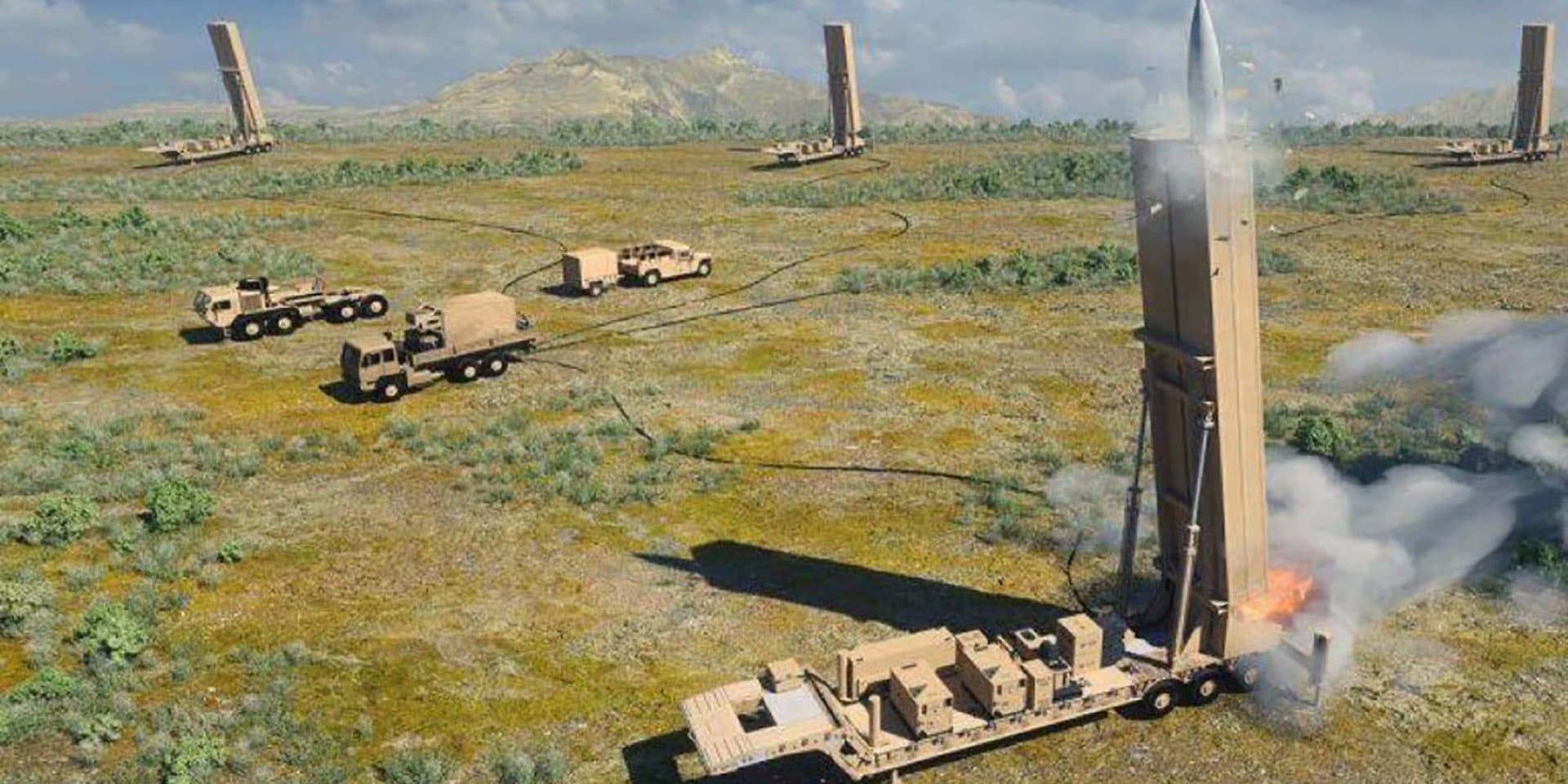
Leidos said the Army awarded it a $2.7 billion contract to unify its Thermal Protection Shield and Common Hypersonic Glide Body programs, a move meant to streamline development, speed delivery, reduce production timelines and secure a reliable supply of components for Dark Eagle. The deal marks a clear turn from laboratory work and test shots toward the hard economics of manufacturing hypersonic weapons at scale.
Army Contracting Command - Redstone Arsenal made the award on March 31, ahead of an accelerated fiscal year 2026 timeline, Army reporting said. That timing matters because the Army and Navy were still testing the missile as of April 2, after a successful test in March. The Pentagon is effectively buying into production while the system is still proving how mature it is in operational use.
Dark Eagle sits at the center of the Army’s modernization drive because it is designed to hit time-sensitive, heavily defended, high-value targets at speeds exceeding Mach 5. The Army and Navy partnership around the common hypersonic missile is intended to accelerate timelines, reduce costs and deliver a survivable capability against air defenses that are built to catch slower weapons. That makes hypersonics a battlefield promise, but also a manufacturing challenge, because the missiles must survive extreme heat and pressure while flying at more than five times the speed of sound.
The program has already moved beyond pure concept. The first Dark Eagle battery activated at Joint Base Lewis-McChord in Washington in 2025, and the system was publicly showcased during Exercise Talisman Sabre 25 in Australia in July 2025, including activity in the Northern Territory. Those milestones gave the program a visible operational footprint, even as the latest contract shows the Army still needs industry to turn a small number of advanced systems into a reliable supply chain.
The scale of the award also underlines how expensive hypersonics have become. Defense reporting had previously estimated that the first Dark Eagle battery alone could cost about $2.7 billion, a figure that now looks less like a rough benchmark and more like a signal of where the Army sees the program heading. For Leidos, based in Reston, Virginia, the contract places it inside one of the Pentagon’s most closely watched strategic competitions. For the Army, it is a sign that the next phase of hypersonics is not just about proving the missile can fly. It is about building the industrial base to keep it in the field.
This article was produced by Prism’s automated news system from verified source data, official records, and press releases, then run through automated quality and moderation checks before publishing. The system is built and supervised by the people who set the standards it runs under. Read our full AI policy.
Did this article answer your question?