At the Crucible, snooker players battle pressure and relentless pressure
The Crucible turns every miss, pause and wait into a mental test, where breathing and routine can matter as much as a 147.
The Crucible as a pressure chamber
The Crucible does not just host the World Snooker Championship, it magnifies it. For 17 days, 32 players live inside a venue where the crowd sits so close it can seem within arm’s reach, and every frame is framed by silence, scrutiny and the knowledge that there is no hiding place.
That is why Sheffield matters so much. The championship has been staged at the Crucible every year since 1977, and the latest deal keeps it there until at least 2045. The venue’s prestige is matched by hard cash, with the 2026 winner due £500,000 from a total prize fund of more than £2 million. This is not just a title race; it is a test of nerve in one of sport’s most unforgiving rooms.
What the chair does to the mind
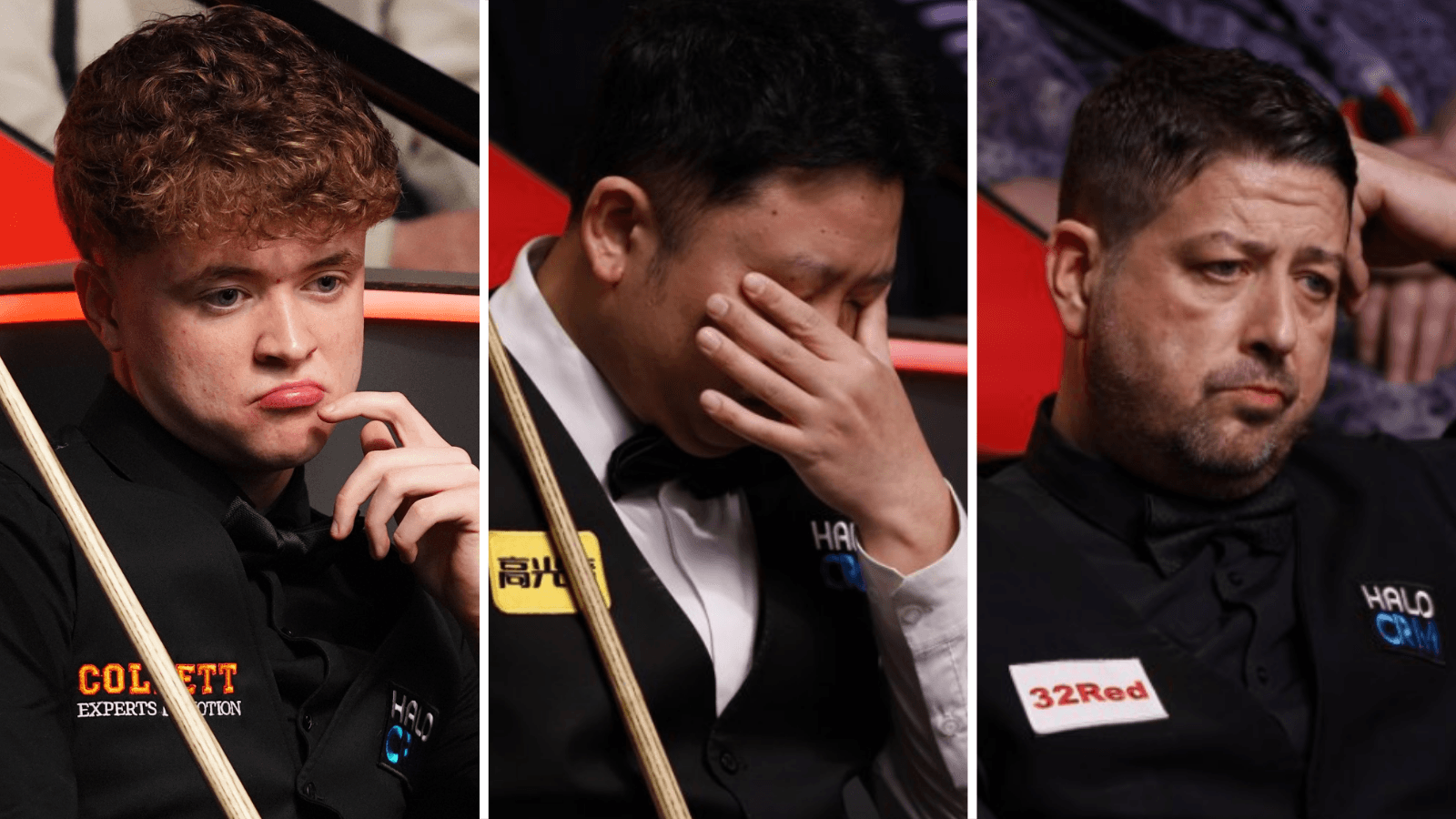
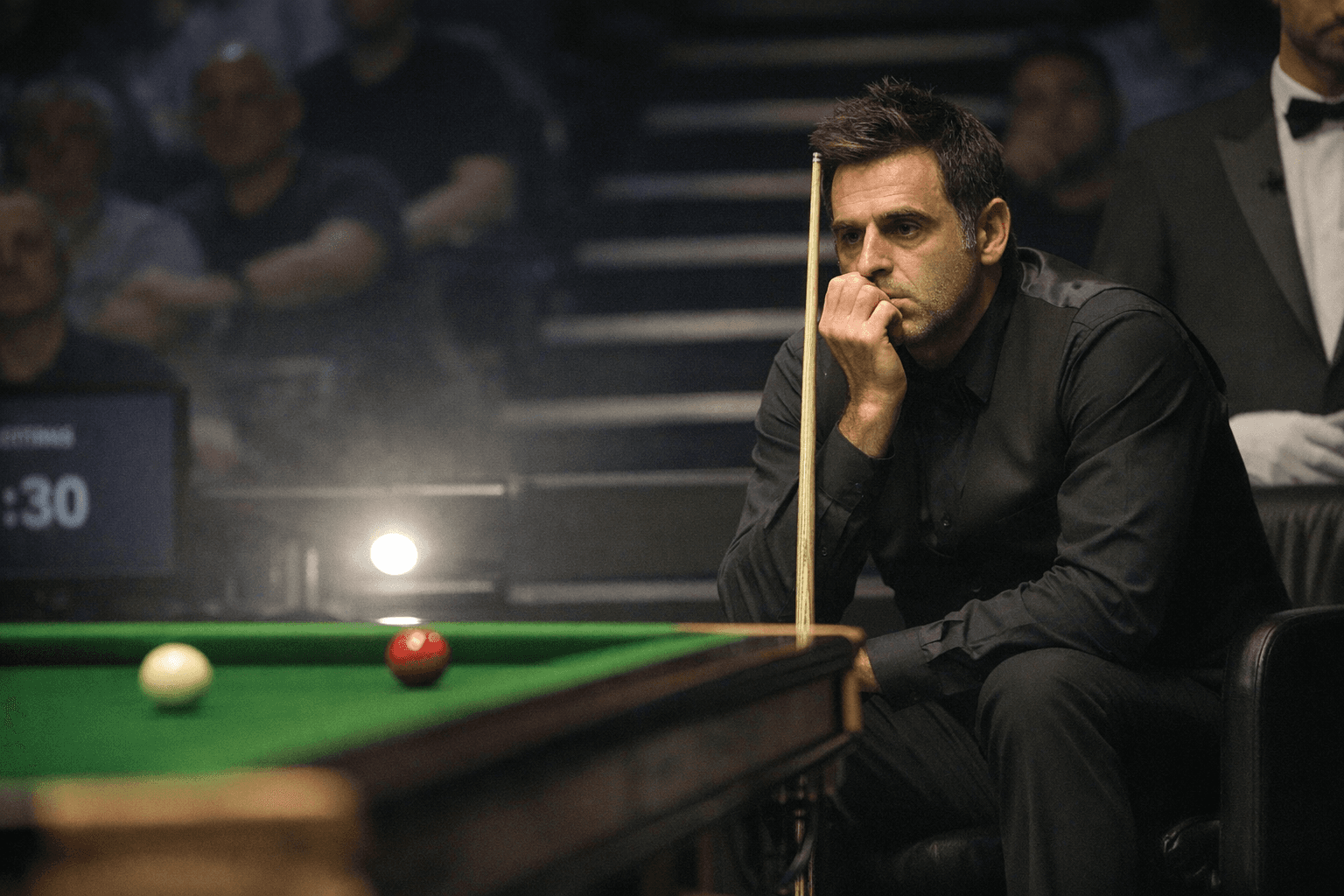
The most revealing moments in snooker often happen when a player is not at the table. Shaun Murphy captured that feeling after his dramatic 10-9 win over Fan Zhengyi in the 2026 event, when he said sitting in the chair and waiting for a chance was “50 times worse than my driving test.” The line matters because it strips away the glamour and exposes the real work of the Crucible, which is often psychological survival rather than shot-making.
Performance coach Chris Henry has spent years working with players including Murphy, Stephen Hendry, Mark Selby, Luca Brecel, Jimmy White, Ali Carter and 2026 debutant Liam Pullen. His view is blunt: snooker is a “dead-ball sport,” which means there is a long time to think, doubt and rebuild between visits to the table. Henry also points to breathing exercises as a practical way to move from a negative state to a positive one, a reminder that elite concentration is often managed through simple routines rather than grand speeches.
That is the hidden challenge of the Crucible. A player may clear a frame in minutes, then sit for several more while another player controls the table and the match narrative. The best competitors do not merely pot balls well; they learn how to stay settled while helplessly watching the cue action move away from them.
The 2026 field is already feeling the strain
The 2026 championship has already offered proof that the atmosphere bites. Zhao Xintong admitted he felt “big pressure” after surviving a nervy first-round test against Liam Highfield, winning 10-7. That admission cuts to the core of the tournament, because even after a victory, the emotional cost remains visible.
Ronnie O’Sullivan continues to define the Crucible’s scale of ambition and endurance. His 10-2 win over He Guoqiang marked a record-extending 34th consecutive appearance at the venue, and it lifted his Crucible century tally to 217. He and John Higgins were set to meet there for a seventh time, matching the record for the most frequent meetings at the venue, a statistic that says as much about longevity and resilience as it does about quality.
The names around them underline how strong the field is. Judd Trump, Zhao Xintong, Mark Selby, Kyren Wilson, Neil Robertson and Shaun Murphy all sit within the leading group of contenders, while the wider debate around Zhao’s title defense keeps the so-called Crucible Curse in view. The event rewards not just skill, but the ability to absorb expectation when the whole sport is watching.
Why perfection is so rare here
One way to measure pressure is by looking at how seldom players reach perfection. In 46 years at the Crucible, there have been only 14 maximum breaks, produced by 10 players. That rarity tells the story better than any slogan could. The venue does not simply make good players uncomfortable; it makes flawless snooker almost exceptional.
The history of those 147s shows how the Crucible can turn one break into legend. Cliff Thorburn made the first in 1983, Jimmy White followed with a maximum in 1992, Ronnie O’Sullivan produced a Crucible 147 in 1997 in 5 minutes, 8 seconds, and Stephen Hendry delivered three Crucible maximums across his career. Each one became memorable not only for the scoreline, but because the venue made such control look almost unnatural.
That same thin margin was on display again when Mark Williams beat John Higgins 13-12 in a dramatic 2025 quarter-final, winning on the last black after Higgins fought back from 12-8 to 12-12. It was the sort of finish that explains the Crucible better than any abstract description. At this venue, the match does not always end with a decisive run of brilliance. More often, it turns on whether a player can hold shape when the pressure peaks.
How the Crucible rewards resilience
The lesson from Sheffield is clear. The Crucible is not only about shot selection, it is about managing thought, breathing through tension and staying present while the match shifts around a player. Murphy’s description of the chair, Henry’s emphasis on breathing, Zhao’s admission of pressure and O’Sullivan’s sustained dominance all point to the same truth: in this arena, concentration is a skill, not a given.
That is why the venue has endured since 1977 and why its future is now secured until at least 2045. The championship remains snooker’s ultimate endurance test because it does something few sporting theaters can manage. It turns every frame into a psychological examination and every silence into part of the contest.
This article was produced by Prism’s automated news system from verified source data, official records, and press releases, then run through automated quality and moderation checks before publishing. The system is built and supervised by the people who set the standards it runs under. Read our full AI policy.
Did this article answer your question?
.jpg&w=1920&q=75)