Australia and Fiji sign first mutual defense pact in South Pacific
Australia and Fiji locked in their first mutual defense pact, while Canberra paired it with a A$1 billion investment pledge in a sharper bid for Pacific influence.
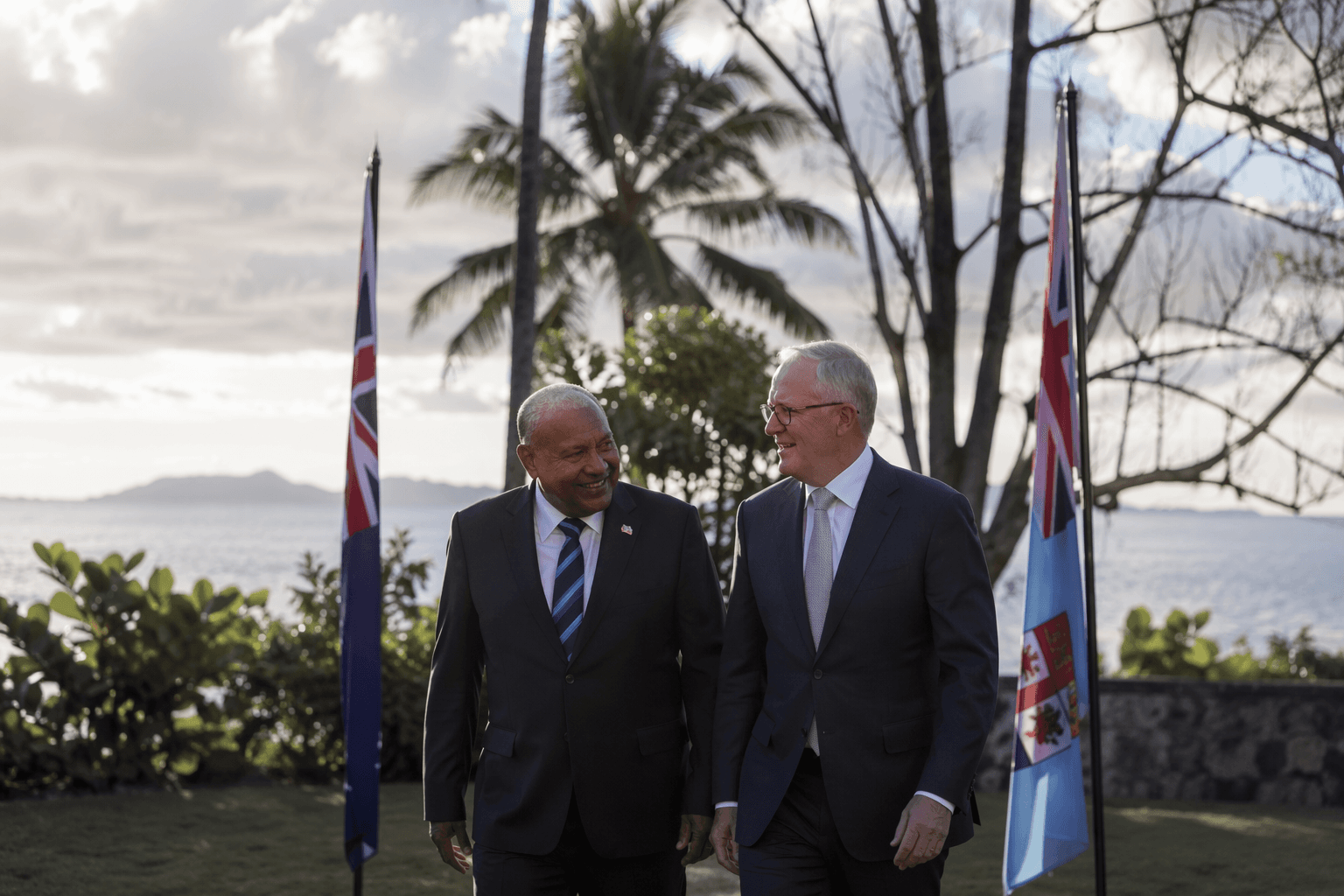
Australia and Fiji signed a mutual defense alliance in Suva on July 6, giving Canberra a deeper security foothold in the South Pacific and giving Fiji its first pact of that kind. Anthony Albanese and Sitiveni Rabuka also signed the Vuvale Union, an economic treaty under which Australia said it would invest more than A$1 billion, about US$693 million, in Fiji over the next decade.
The Ocean of Peace Alliance carries a mutual defense obligation, meaning each side commits to aid the other in a time of need. Australia said the treaty makes Fiji the only Pacific island nation in its alliance network and its fourth alliance overall, after the 1951 U.S.-New Zealand treaty alliance and the bilateral treaty alliance with Papua New Guinea signed in 2024. For Albanese, the pact is a clear strategic gain: it reinforces Australia’s claim to be the region’s preferred security partner at a moment when China is steadily expanding its diplomatic and security reach across the Pacific.
That competition has shadowed the deal since Beijing’s security cooperation agreement with Solomon Islands in 2022. Australian, New Zealand and U.S. officials worried then that the arrangement could open the door to a Chinese naval base in the South Pacific, and Canberra publicly said it was deeply disappointed by the agreement. The Fiji pact does not remove that contest, but it gives Australia another anchor in the island states most exposed to pressure from larger powers.
Rabuka presented the agreement as part of a wider regional framework built on security, economic integration and closer people-to-people ties. The Vuvale Union text says climate change is the single greatest threat to the livelihoods, security and wellbeing of Pacific peoples, and it commits the parties to resolve disputes through talanoa and consensus-based decision-making while respecting sovereignty and rejecting coercion. That language gives Fiji leverage beyond its size, because it can align with Australia on climate and development while insisting its foreign policy remains independent.
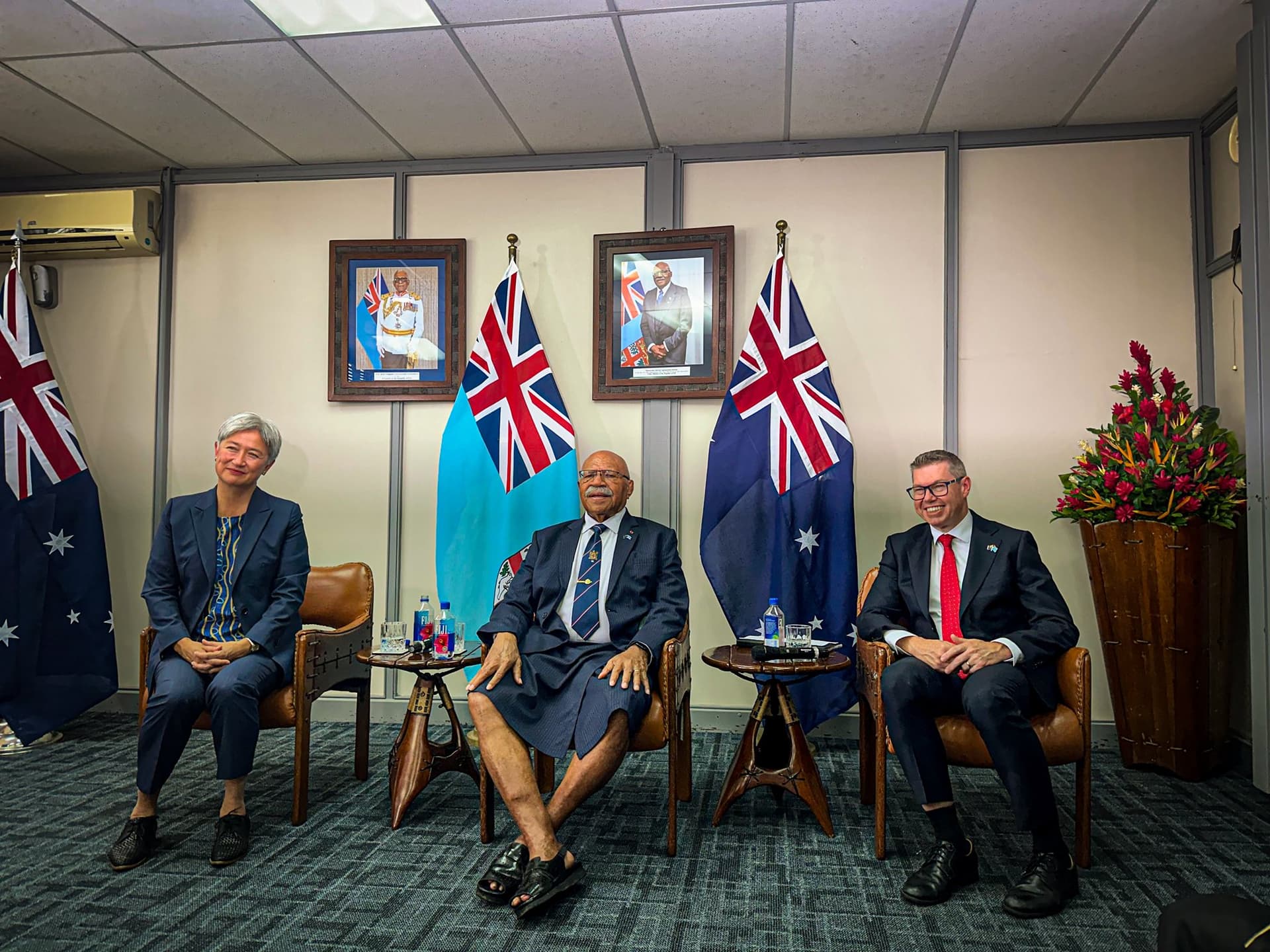
The treaty also ties the new alliance to the Blue Pacific Ocean of Peace Declaration, which Pacific Islands Forum leaders endorsed in 2025 after it was first proposed by Rabuka in 2023. Fiji’s foreign ministry said the declaration was finalized after two years and 24 days of consultation, and leaders formally endorsed it in Honiara on September 10, 2025. Australia said the new treaties are the first to give practical effect to that framework, building on the 2019 Fiji-Australia Vuvale Partnership and a 2024 defence and visiting-forces agreement that had already formalized military ties. Albanese was set to continue a wider Pacific tour, underscoring that the Fiji deal is part of a broader race to lock in partnerships before Beijing does.
This article was produced by Prism’s automated news system from verified source data, official records, and press releases, then run through automated quality and moderation checks before publishing. The system is built and supervised by the people who set the standards it runs under. Read our full AI policy.
Did this article answer your question?