Australia and India strike uranium deal to expand nuclear energy
Australia opened uranium exports to India during Modi’s Melbourne visit, binding civilian fuel sales to a wider Indo-Pacific strategic reset.

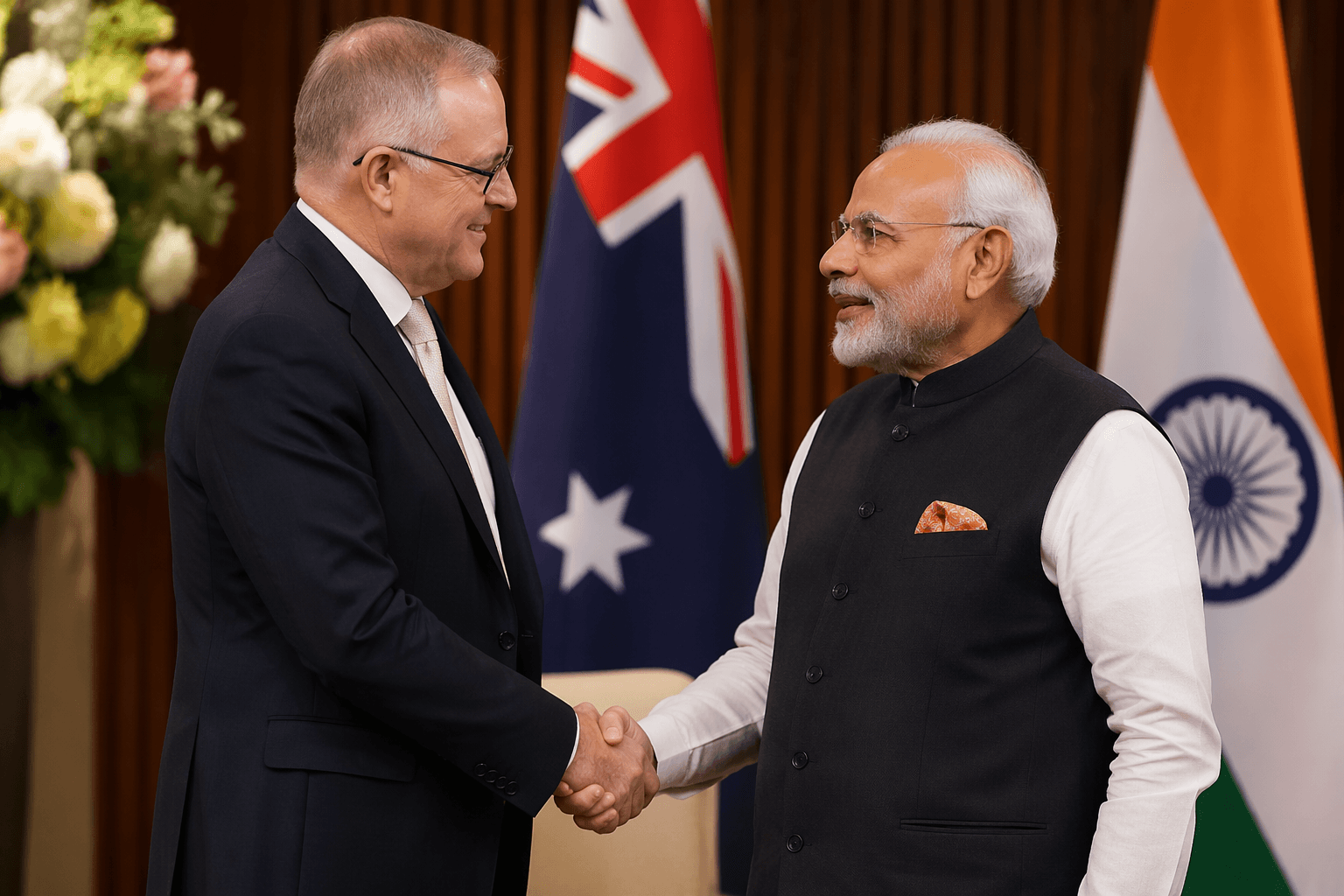
Australia and India finalised the administrative arrangements on July 9 in Melbourne to let Australian uranium be exported to India for exclusively peaceful nuclear use, turning a long-delayed agreement into a live supply deal. The announcement came as Narendra Modi visited Australia and alongside new commitments to widen cooperation in renewables, critical minerals and green hydrogen.
The export will operate under International Atomic Energy Agency safeguards and under the Australia-India Nuclear Cooperation Agreement signed in 2015. India’s civilian nuclear facilities already sit within an IAEA safeguards framework that was approved in 2008 and signed in 2009. Modi and Anthony Albanese also jointly addressed the Australia-India CEOs Forum and Economic Roadmap Business event in Melbourne, where Modi said the relationship presented “historic opportunities” and Albanese called the countries “close partners and even closer friends.”
India has set a long-term target of 100 gigawatts of nuclear energy capacity by 2047, while Australia has sought to diversify trade beyond China, its biggest partner. The official energy statement says the two countries will strengthen resilience, deepen regional cooperation and keep energy trade open across the Indo-Pacific.
The summit’s joint statement paired it with a new defence and security declaration, an annual defence ministers’ dialogue, closer maritime cooperation and a cyber, critical technologies and supply-chains agreement that explicitly includes collaboration on space-sector initiatives.
This article was produced by Prism’s automated news system from verified source data, official records, and press releases, then run through automated quality and moderation checks before publishing. The system is built and supervised by the people who set the standards it runs under. Read our full AI policy.
Did this article answer your question?