Austrian schoolchildren undergo three-week smartphone detox in Europe-wide experiment
About 70,000 Austrian schoolchildren were asked to give up smartphones for three weeks as Europe tested whether tighter phone rules could improve learning and wellbeing.
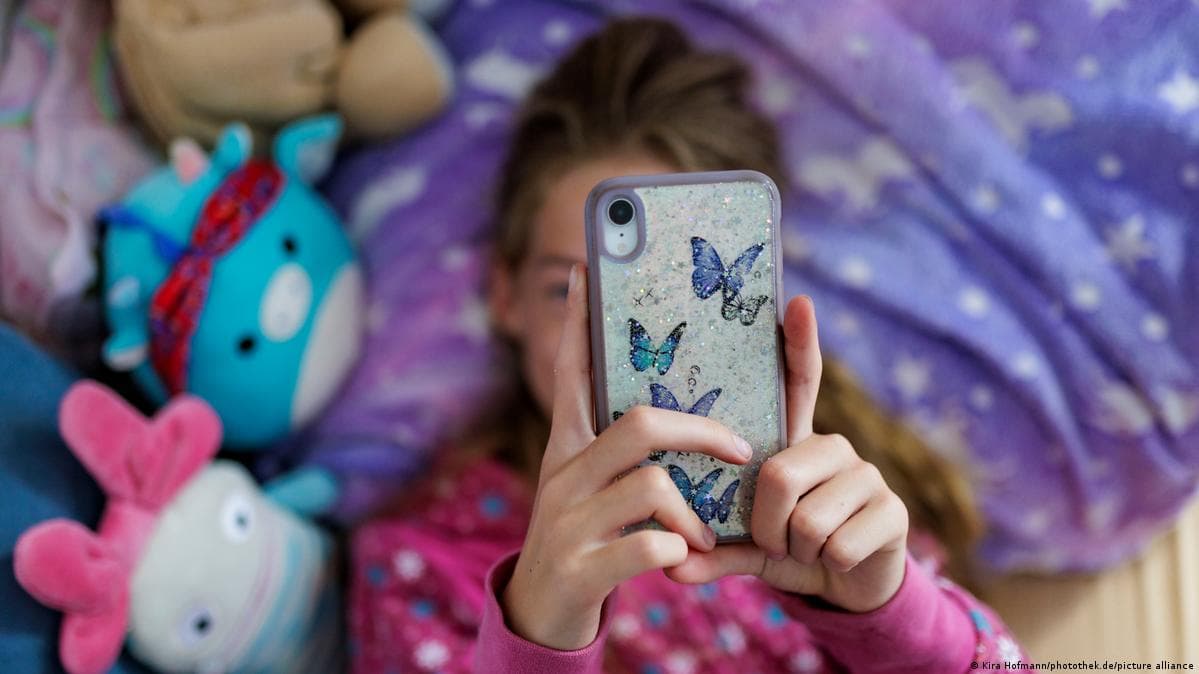
Austria has turned school smartphone limits into a mass experiment. Public broadcaster ORF asked about 70,000 schoolchildren to go three weeks without their smartphones, a nationwide test designed to measure how far phone-free classrooms and routines can change behavior, mood and attention.
The Austrian effort matters because it lands inside a broader European policy fight over children, screens and school rules. In Brussels, the European Commission said in May 2025 that it was gathering evidence on mobile-phone bans in schools and expected a review of evidence and practices by the end of 2025. The Commission pointed to OECD and PISA-linked concerns that digital distraction can undermine learning outcomes, putting the issue squarely in the realm of education policy rather than parental preference alone.

ORF said the results of the Austrian experiment were due to be presented in a late-May 2026 Dok 1 program and on ORF ON. That framing suggests the broadcaster is treating the project less as a novelty than as a public test of what happens when a generation that carries a screen everywhere is asked to stop using it, at least for school life.
The Austrian trial arrives with a useful reference point from England. At The Stanway School in Colchester, University of York researchers studied a 21-day phone ban among Year 8 pupils who gave up smartphones completely. Their findings were striking: pupils in the phone-ban group fell asleep 20 minutes faster on average, gained a full hour of extra sleep per night, and reported lower feelings tied to depression and anxiety, with reductions of 17 percent and 18 percent.
That kind of evidence is likely to shape the next phase of the debate in Europe and beyond. If a short, enforced break from smartphones can improve sleep and mood, the implications reach past school gates to parents deciding when to hand over a first phone and to educators weighing whether classroom bans should be temporary pilots or permanent rules.
For Austria, the scale is the story. A test involving 70,000 children is large enough to move the discussion from anecdote to policy. If the results show meaningful changes in behavior, social dynamics or learning, the pressure will intensify on schools that have so far treated phone restrictions as optional or unevenly enforced. If they do not, supporters of stricter rules will have to explain why smaller studies point one way while a nationwide experiment points another.
This article was produced by Prism’s automated news system from verified source data, official records, and press releases, then run through automated quality and moderation checks before publishing. The system is built and supervised by the people who set the standards it runs under. Read our full AI policy.
Did this article answer your question?