Trump predicts Iran deal as Tehran asserts control over Hormuz shipping
Trump predicted a quick Iran deal as Tehran moved to control Hormuz shipping, raising risks for oil, LNG, gasoline prices and U.S. naval strategy.
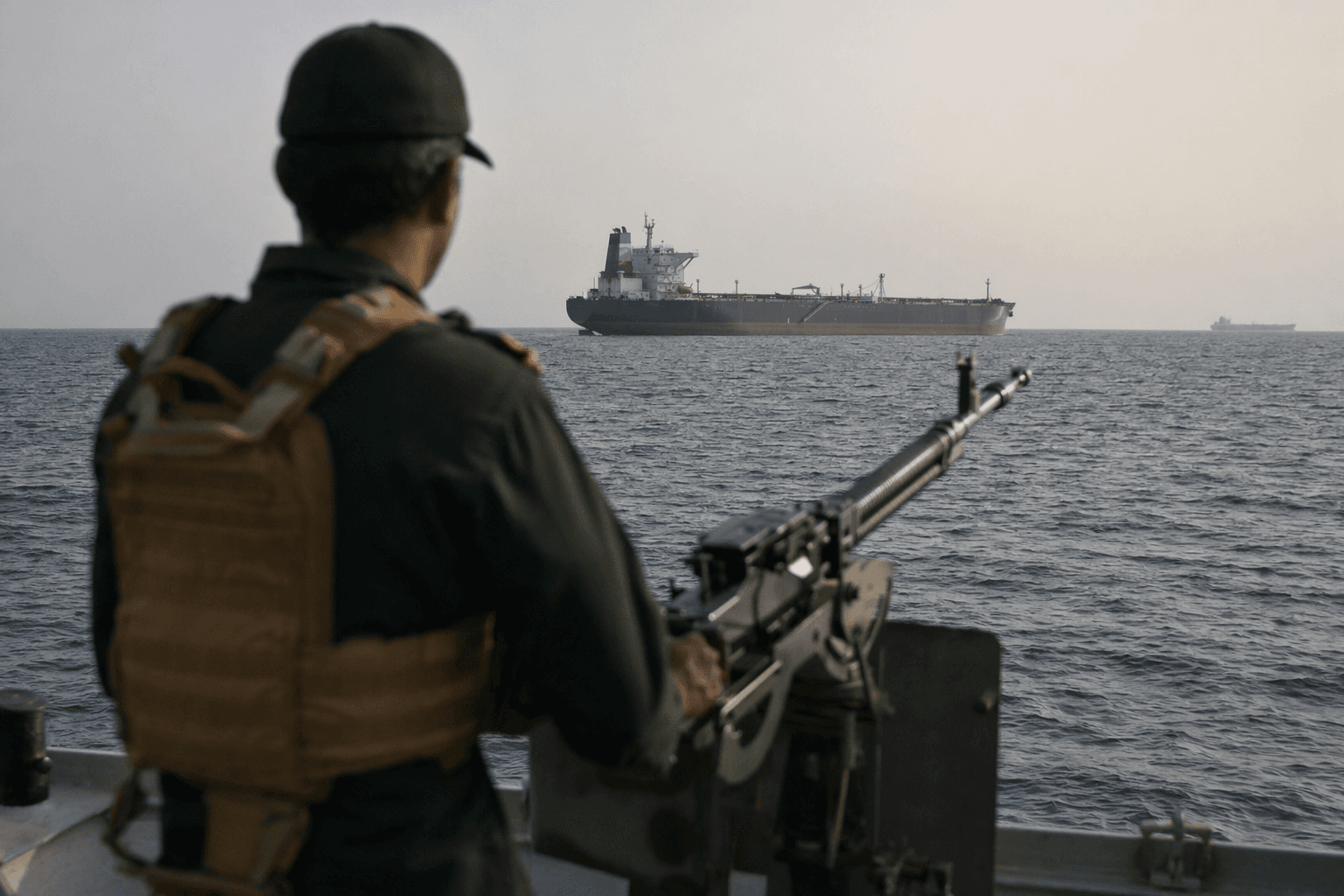
Donald Trump was still predicting a fast breakthrough with Iran even as Tehran moved to tighten its grip on the Strait of Hormuz, the narrow waterway that carries about 20 million barrels of oil a day and a fifth of the world’s petroleum liquids consumption. The split between political optimism and strategic reality is stark: a limited, temporary arrangement is being discussed, but even a partial disruption in Hormuz could rattle shipping, insurance, gasoline prices and U.S. military planning.
Trump said, “They want to make a deal... it’s very possible,” and later added, “It’ll be over quickly.” He also paused the U.S. “Project Freedom” escort mission after citing “great progress” in talks with Iran. The framework now under discussion would not settle the wider conflict. It would reportedly begin with a one-page memorandum of understanding, then open a 30-day period for broader negotiations.
The deal would hinge on Hormuz itself. The terms being discussed would have Iran lift restrictions on transit through the strait, while the U.S. would lift its naval blockade on Iranian ports. The package would also include a moratorium on Iranian nuclear enrichment, the lifting of U.S. sanctions and the release of billions of dollars in frozen Iranian funds. Iran’s Islamic Revolutionary Guard Corps navy said safe transit through the strait would be ensured with new procedures in place, while Iranian officials and lawmakers signaled deep skepticism about the American proposal. Ebrahim Rezaei called it “more of an American wish-list than a reality,” and Mohammad Baqer Qalibaf mocked talk of a near-term breakthrough.
Tehran has also tried to recast the legal and operational control of the waterway. Iranian authorities have established a new “Persian Gulf Strait Authority” to regulate and organise vessel passage, whether military or commercial, a move meant to signal that the state intends to manage access to one of the world’s most consequential energy arteries.
The stakes stretch far beyond Iran and the United States. The International Energy Agency says about 20% of global LNG trade also passes through Hormuz, including most exports from Qatar and the United Arab Emirates. Asian stocks climbed and oil prices fell as traders bet that supply disruptions could ease, but hundreds of vessels remained stuck in the Persian Gulf and costs kept mounting as operators waited for the strait to reopen. For Washington, the blockade has already become a domestic political burden as higher gasoline prices threaten to linger.
History adds another warning. The 1980s Tanker War showed how quickly attacks on merchant shipping in the Gulf could pull in outside powers and widen a regional crisis. Today, the same chokepoint remains the pressure point, and the next few days will determine whether diplomacy can outrun the economics of disruption.
This article was produced by Prism’s automated news system from verified source data, official records, and press releases, then run through automated quality and moderation checks before publishing. The system is built and supervised by the people who set the standards it runs under. Read our full AI policy.
Did this article answer your question?