Vilseck braces for economic shock as U.S. troops face withdrawal
Vilseck’s 6,920 residents could lose the U.S. presence that anchors jobs, shops and daily life if the 2nd Cavalry Regiment leaves Rose Barracks.
Rose Barracks has shaped Vilseck for generations, and now the Bavarian town is facing the possibility that the base’s most important anchor, the 2nd Cavalry Regiment, could leave. Mayor Thorsten Graedler said the consequences would be dramatic because the post is one of the area’s biggest employers, with thousands of jobs at risk across pubs, restaurants, garages and supermarkets that depend on American soldiers and their families.
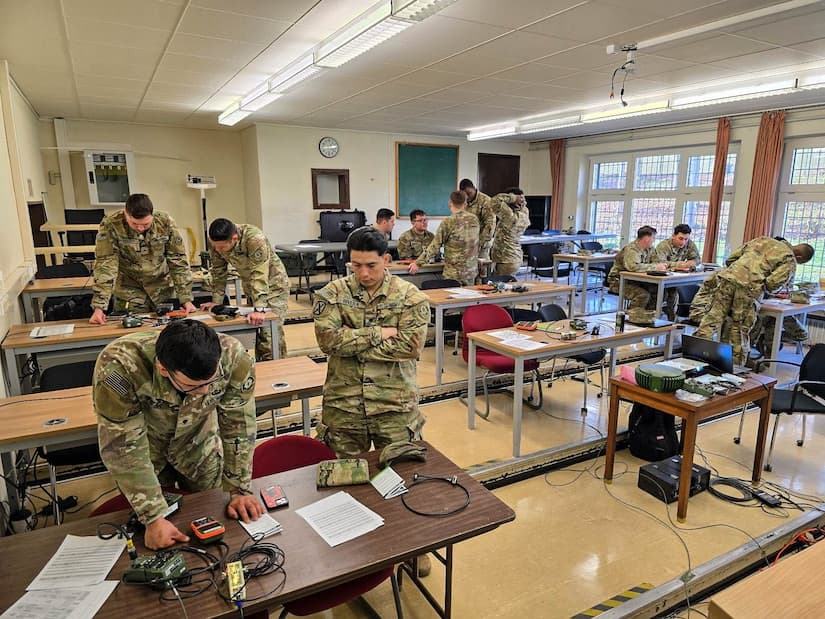
The Pentagon planned on May 1 to remove about 5,000 troops from Germany within six to 12 months, and President Donald Trump said the next day that the U.S. would cut its troop numbers in Germany “way down” and “a lot further than 5,000.” The unit most closely tied to Vilseck is the 2nd Cavalry Regiment, the only permanent brigade combat team in Germany, based at Rose Barracks under U.S. Army Garrison Bavaria. The garrison says the regiment has six squadrons, traces its lineage to the early 19th century and is the longest continuously serving regiment in the U.S. Army.
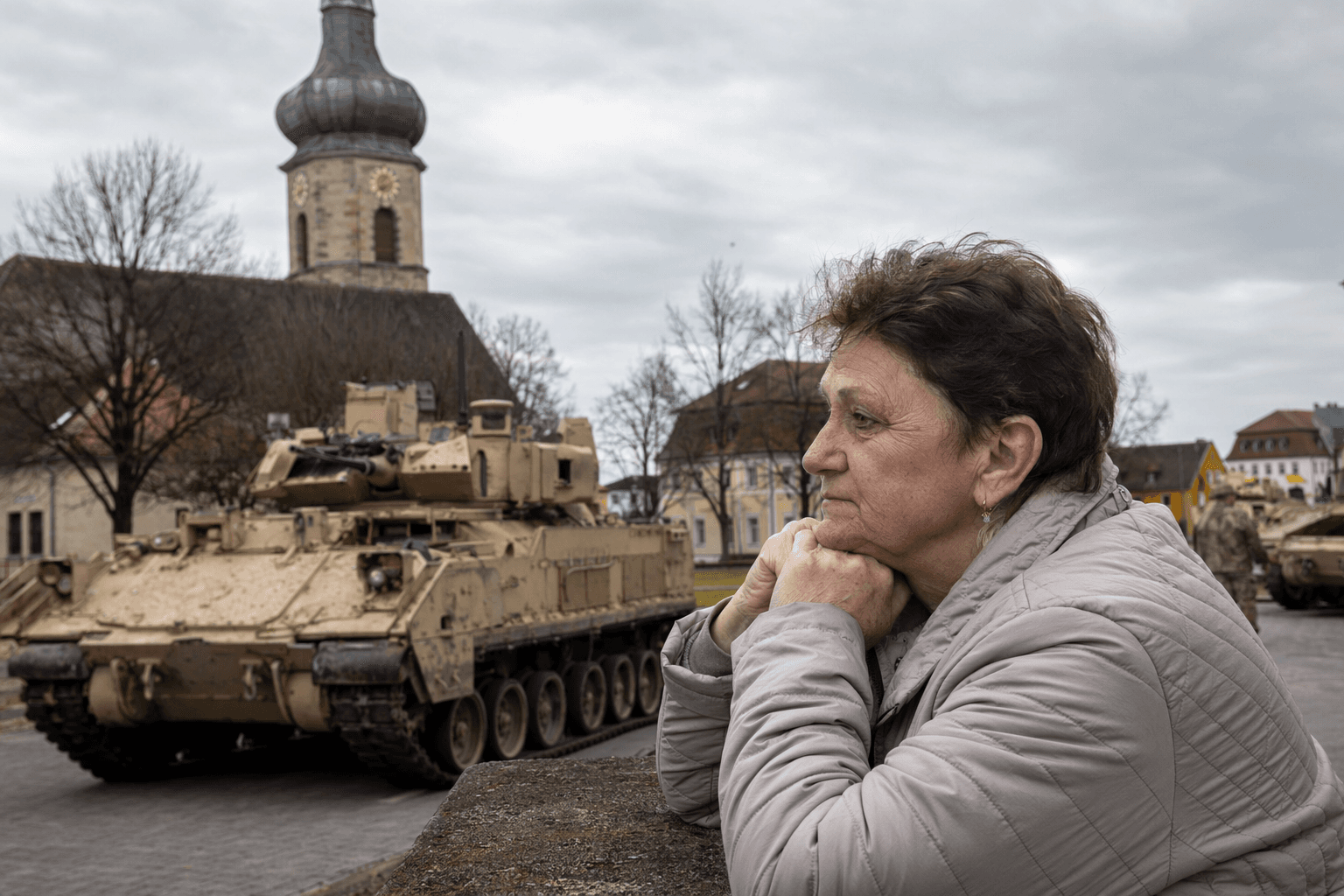
The stakes in Vilseck are visible in the town’s own numbers. A 2024 municipal document listed 6,920 registered inhabitants, including 1,160 foreign residents, among them 537 Americans. That mix has made the U.S. presence part of daily life rather than a distant military arrangement. Families of U.S. personnel live about 20 kilometers north in Netzaberg near Grafenwoehr, and the broader Grafenwoehr-Vilseck training complex supports U.S., NATO and partner forces, tying the town’s economy and identity to a strategic installation far beyond its borders.
The town has lived through one version of this uncertainty before. Plans to withdraw the 2nd Cavalry Regiment were discussed during Trump’s first term, then reversed under Joe Biden, who stopped a larger Trump-era plan in February 2021 to pull nearly 12,000 troops out of Germany, including the regiment. For Vilseck, the issue is not abstract force posture in Washington. It is whether a small town built around the American presence can absorb the loss of payrolls, customers, classrooms and the shared routines that have defined life since the end of World War Two.
This article was produced by Prism’s automated news system from verified source data, official records, and press releases, then run through automated quality and moderation checks before publishing. The system is built and supervised by the people who set the standards it runs under. Read our full AI policy.
Did this article answer your question?