Automakers urge EPA to quickly rewrite delayed emissions rules
EPA’s two-year delay would push key auto emissions deadlines from model year 2027 to 2029, giving carmakers breathing room but rattling EV and climate plans.
Automakers are pushing the Environmental Protection Agency to move fast on the rulemaking it just delayed, arguing that a two-year pause has left the industry planning in the dark at exactly the moment when product cycles, factory tooling and battery investment must be locked in.
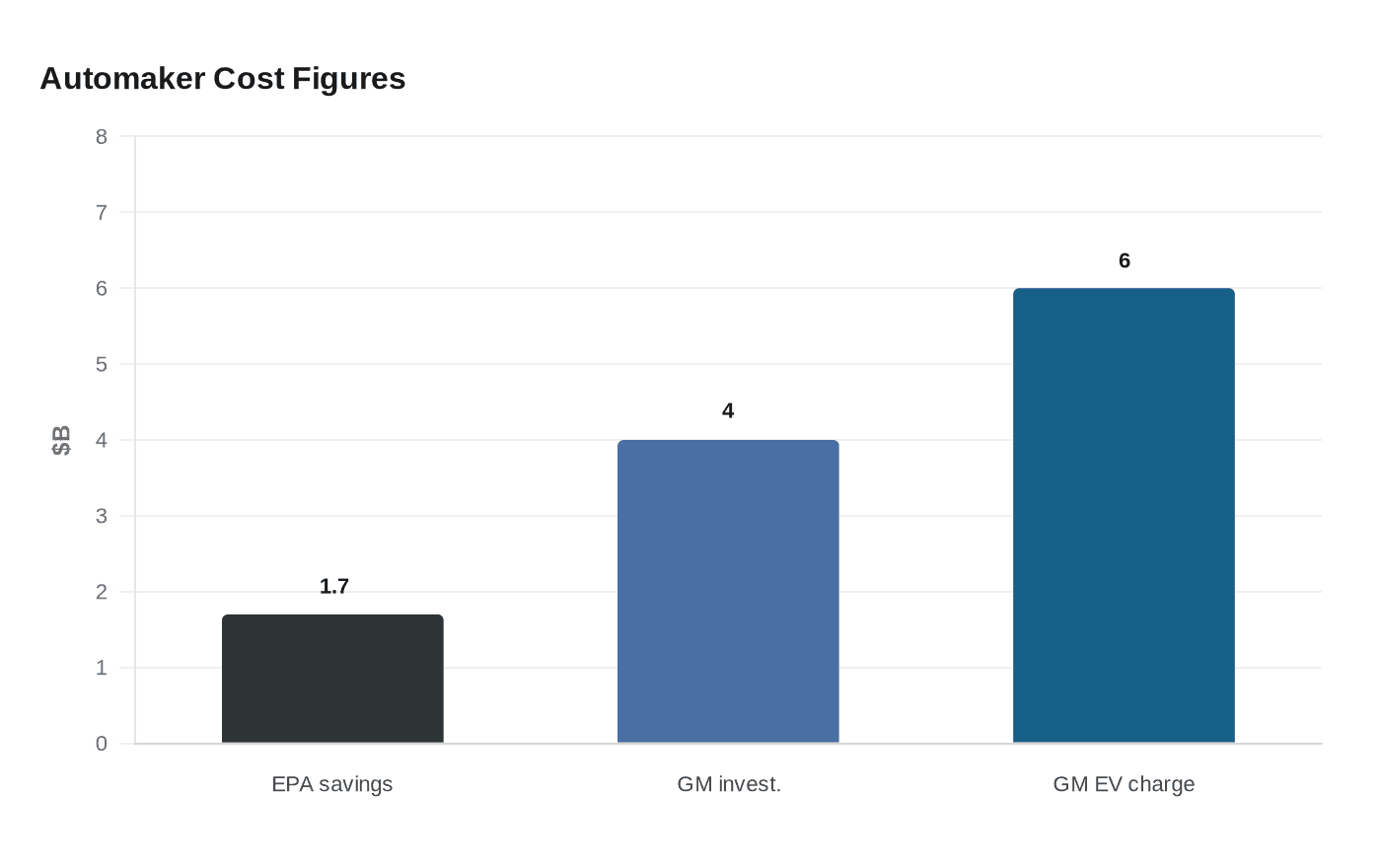
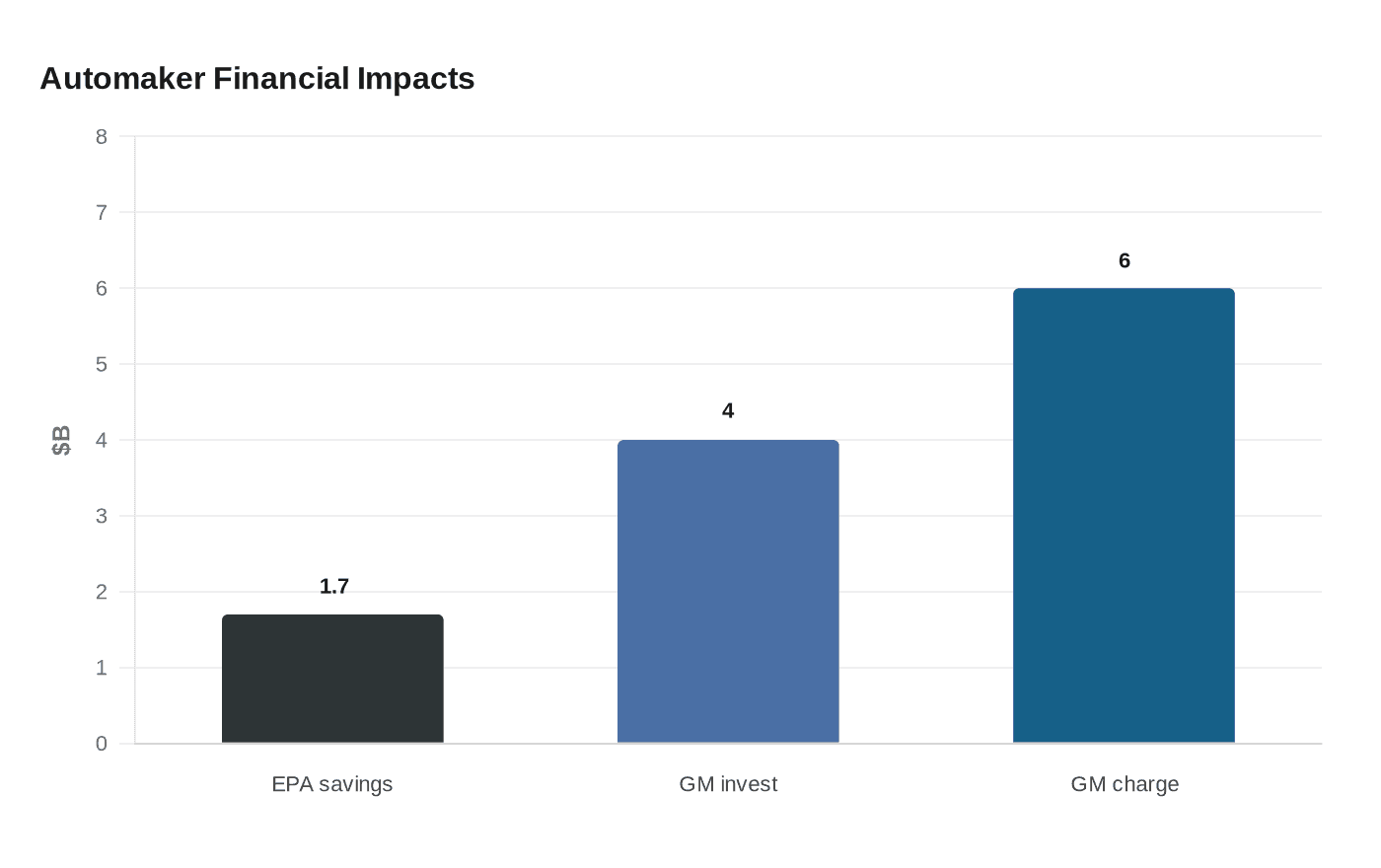
The agency’s May 14 proposal would shift compliance deadlines for light- and medium-duty vehicle emissions standards from model year 2027 to model year 2029, while keeping the older Tier 3 framework in place for model years 2027 and 2028 if the change is finalized. EPA estimated the delay would save automakers more than $1.7 billion. That relief comes with a trade-off: the current Biden-era rule, published in the Federal Register on April 18, 2024, had set a longer phase-in covering model years 2027 through 2032, and EPA’s own regulations say Tier 4 criteria exhaust standards begin with model year 2027.
That gap is what has automakers pressing for a quick rewrite. Manufacturers have to decide years ahead how much to spend on internal-combustion upgrades, hybrids, battery-electric platforms, supplier contracts and plant retooling. Without a clear timetable, companies risk making multibillion-dollar bets on vehicles that may no longer fit the final rule. With a clear timetable, they can decide how fast to shift fleets toward lower-emission technologies and how much compliance cost to absorb.
The Alliance for Automotive Innovation backed the delay on May 14, saying the previous standards were unachievable without significant growth in EV sales. John Bozzella, the group’s chief executive, called the proposal “a smart and necessary step” and said the industry needs “stable, reasonable, achievable automotive standards.” The alliance represents General Motors, Ford, Stellantis, Toyota, Volkswagen and Hyundai, all of which have been forced to recalibrate EV plans as demand and policy have moved.
EPA defended the delay by saying the 2024 standards rested on assumptions that electric vehicles would make up a much larger share of the fleet. The agency pointed to General Motors’ $4 billion investment to expand internal-combustion production and a $6 billion charge tied to unwinding some EV investments, alongside changes Ford and Stellantis have made to their own EV plans. Lee Zeldin framed the move as part of a broader reconsideration of the Tier 4 rules, suggesting the current proposal may only be the first step in a wider rewrite.
Environmental groups warned that the delay would do the opposite, leaving cars and trucks dirtier for longer. Sierra Club said the change would raise smog-forming pollution and increase preventable illness and premature deaths. The fight now turns on whether Washington gives manufacturers the certainty they want, or keeps the industry in a prolonged regulatory holding pattern that could slow EV investment and complicate U.S. climate targets.
This article was produced by Prism’s automated news system from verified source data, official records, and press releases, then run through automated quality and moderation checks before publishing. The system is built and supervised by the people who set the standards it runs under. Read our full AI policy.
Know something we missed? Have a correction or additional information?
Submit a Tip