Bank of Japan governor hospitalized, misses key June policy meeting
Kazuo Ueda’s hospital stay forced the Bank of Japan to hand June’s rate review to his deputies just as markets braced for another hike.

Kazuo Ueda’s sudden hospitalization put the Bank of Japan’s June 15-16 policy meeting in Deputy Governor Ryozo Himino’s hands, a rare leadership test at a central bank that still moves global bond markets, the yen and investor risk sentiment. The BOJ said Shinichi Uchida will handle the post-meeting press conference, while Ueda is expected to remain in hospital for about two weeks, work remotely and return for the July 30-31 meeting.
The timing matters because the BOJ is already weighing whether to keep normalizing policy after years of ultra-low rates. On June 3, Ueda said the central bank must discuss the pros and cons of raising interest rates if inflationary risks outweigh downside risks to the economy. Markets read that as a strong sign that a June move was possible, especially with energy costs pressured by the Middle East conflict and price gains still under close watch.
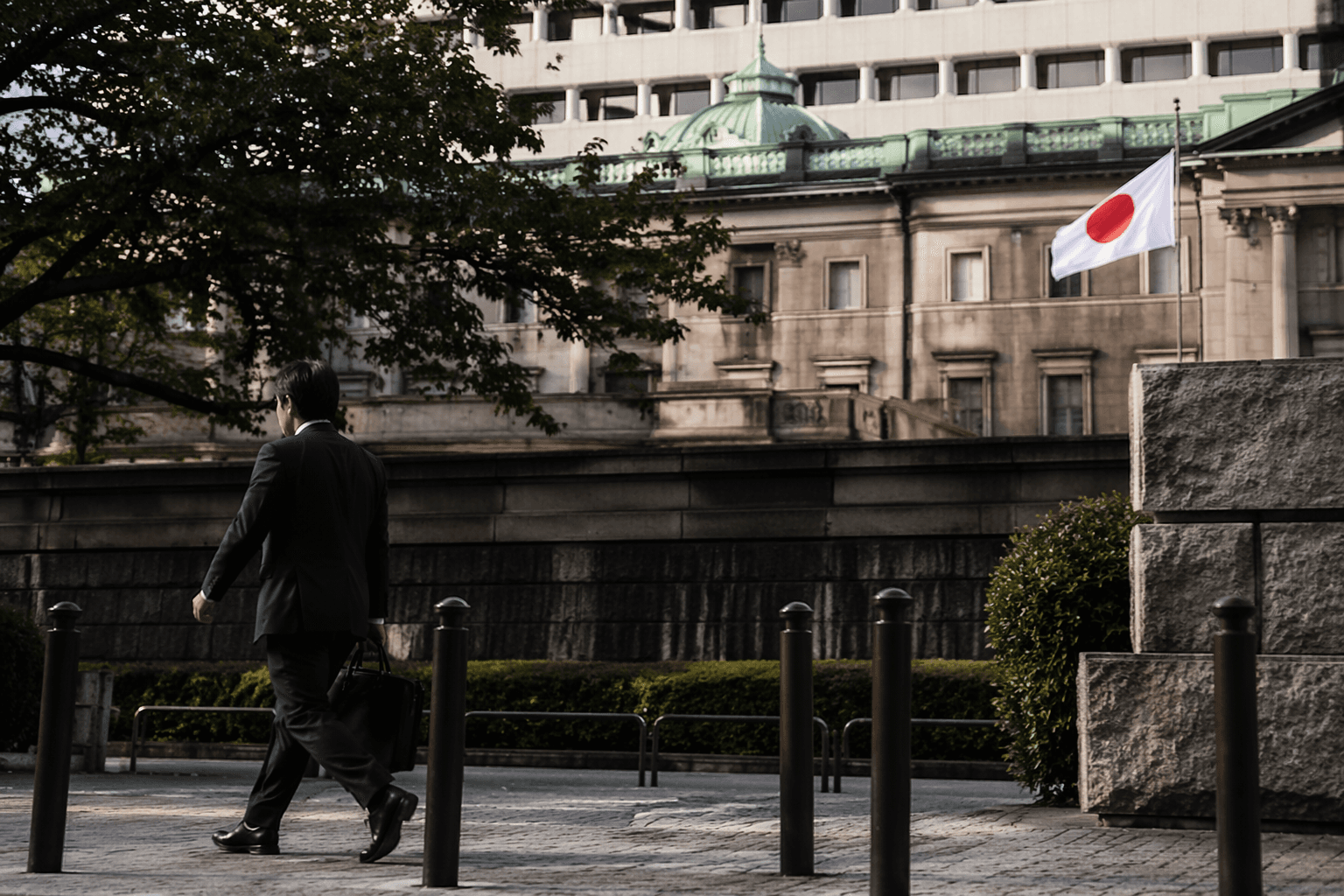
The BOJ’s 2026 calendar shows the June meeting is immediately followed by the July 30-31 session, underscoring how closely investors will parse each statement and vote. A June 10 poll found economists expect the BOJ to raise its key rate this month and again later in 2026, while an earlier May survey found nearly two-thirds expected a June increase to 1.0%.
Himino brings heavyweight institutional experience to the chair. Before becoming deputy governor, he served as commissioner of Japan’s Financial Services Agency and worked on banking supervision and international regulatory issues, including the Basel Committee on Banking Supervision. Uchida, who has been deputy governor since March 2023, joined the BOJ in 1986 and will be the face of the central bank after the meeting.
The policy backdrop has also become more supportive of further tightening. Japan’s real wages rose for a third straight month in March, and spring wage talks produced pay increases above 5% for a third consecutive year. The BOJ has said underlying inflation is moving toward its 2% target, but that price gains must be backed by solid wage growth before policy can advance much further.
For investors, Ueda’s absence is less about a formal disruption than about continuity at a sensitive moment. The BOJ is still navigating a rare and closely watched rate path, and even a temporary leadership gap has become part of the market signal.
This article was produced by Prism’s automated news system from verified source data, official records, and press releases, then run through automated quality and moderation checks before publishing. The system is built and supervised by the people who set the standards it runs under. Read our full AI policy.
Know something we missed? Have a correction or additional information?
Submit a Tip