Barney Frank, influential Democrat and Dodd-Frank architect, dies at 86
Barney Frank turned Congress into a stage for gay rights and Wall Street reform, becoming both a visibility milestone and a force behind the Dodd-Frank Act.
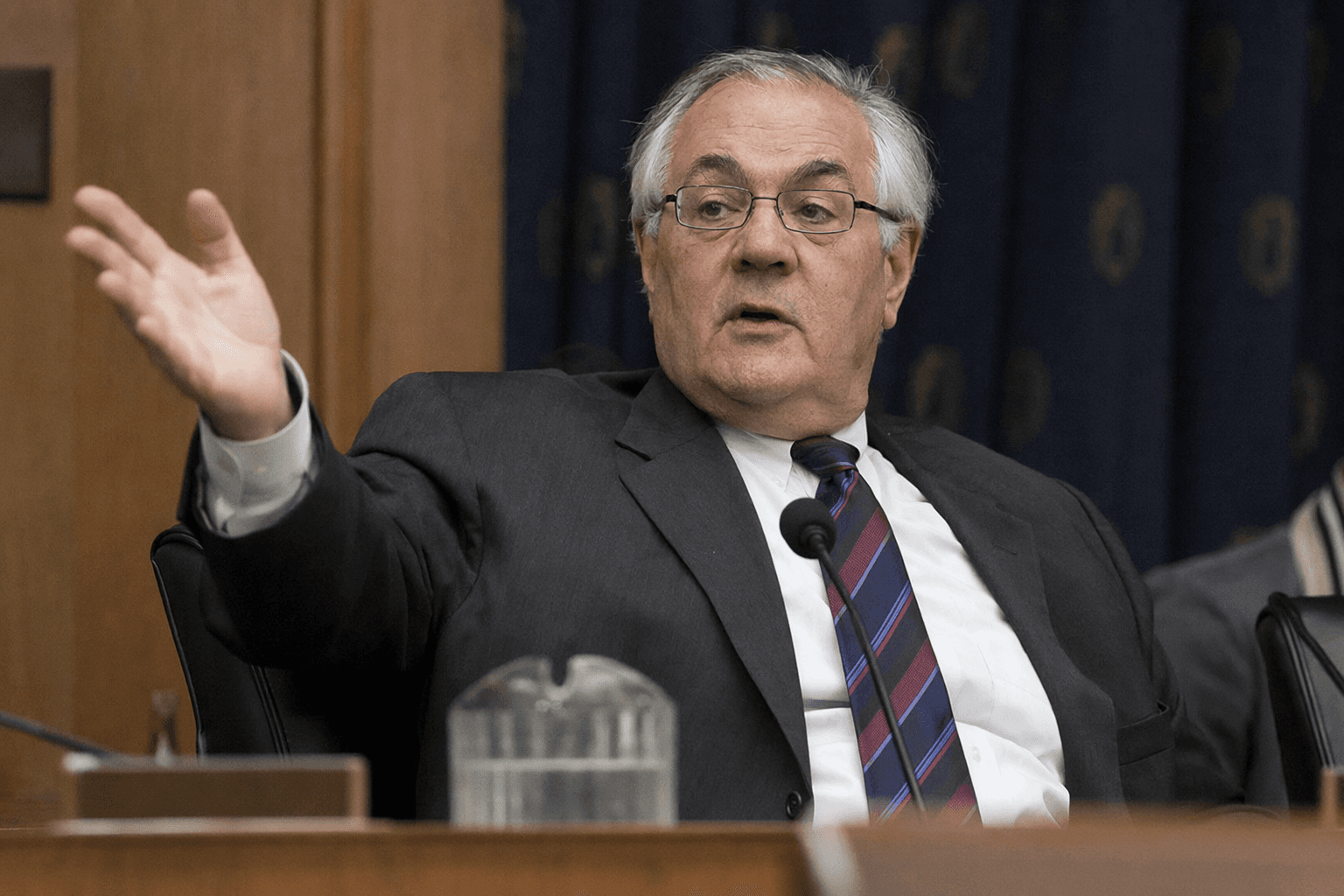
Barney Frank, the Massachusetts Democrat who helped force the nation’s debates over gay rights and financial regulation into the open, died Tuesday night at his home in Ogunquit, Maine, at 86. His close friend and former campaign manager, Jim Segel, said Frank had been receiving hospice care for congestive heart failure.
Frank spent 32 years in the U.S. House of Representatives, serving from 1981 to 2013 and representing Massachusetts’ Fourth Congressional District for more than three decades. Known for a sharp wit and a combative style, he became one of the defining liberal lawmakers of his era, often wielding his influence with equal parts policy depth and partisan edge.
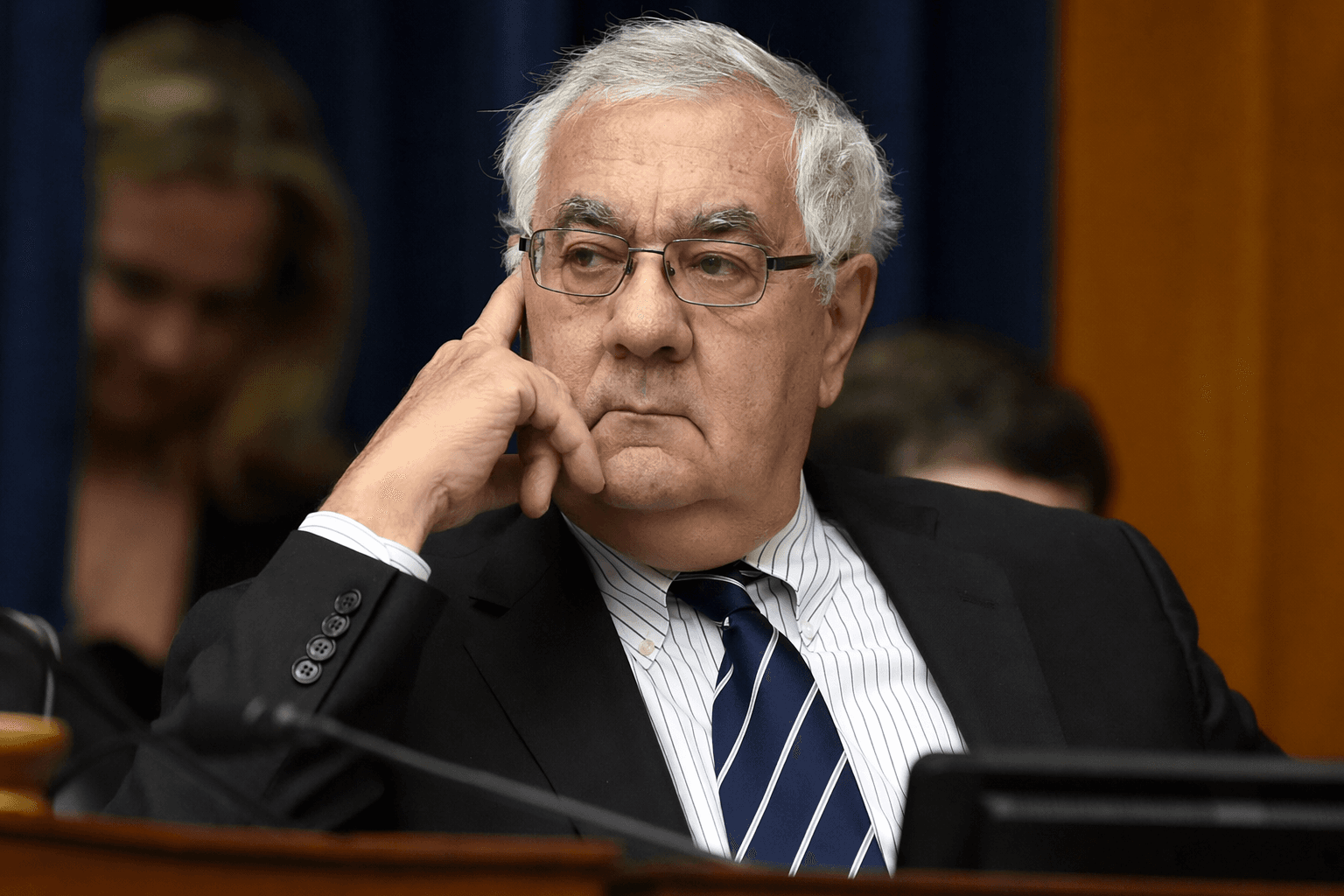
His political significance extended well beyond committee rooms. In 1987, Frank voluntarily came out as gay in remarks to a Boston Globe reporter, becoming the first sitting member of Congress to do so. A quarter-century later, in 2012, he became the first incumbent lawmaker on Capitol Hill to marry someone of the same sex, when he married Jim Ready in a ceremony officiated by Massachusetts Gov. Deval Patrick. Those milestones made Frank one of the most visible openly gay politicians in American history and a central figure in the Democratic Party’s long evolution on LGBTQ rights.
Frank’s other legacy was rooted in the machinery of government after the 2008 financial crisis. He chaired the House Financial Services Committee from 2007 to 2011 and emerged as a leading co-author of the 2010 Dodd-Frank Act, the law that reshaped federal oversight of Wall Street after the collapse of major financial institutions. His work helped define the party’s turn toward tougher regulation of banks and markets, making him a central architect of post-crisis reform.
Frank is survived by his husband, Jim Ready, and his sister, Democratic strategist Ann Lewis. In an April interview from hospice, he said he hoped to be remembered for advocating progressive change through conventional political methods and warned Democrats against turning unpopular parts of their agenda into litmus tests. That balance, between provocation and institution-building, defined the career now ending at 86.
Know something we missed? Have a correction or additional information?
Submit a Tip