BBC Science Editor Rebecca Morelle Shares Awe of Witnessing History Unfold
Rebecca Morelle watched the Artemis II launch from 3 miles away and followed the 10-day mission to Pacific splashdown, humanity's first crewed lunar voyage in 53 years.
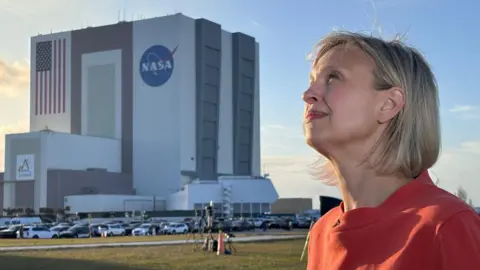
The first crewed journey to the Moon's vicinity in more than 50 years ended in the Pacific Ocean at 8:07 p.m. ET on April 11. BBC Science Editor Rebecca Morelle covered it start to finish, from the press site at Kennedy Space Center to the crew's final transmission before re-entry.
Standing at the Kennedy Space Center press site on the evening of April 1, Morelle was roughly three miles from Launch Complex 39B when NASA's Space Launch System ignited beneath four astronauts and the first crewed lunar mission in more than 50 years began. The shockwave from 8.8 million pounds of thrust reached her as sound and then as physical pressure, arriving in separate waves. She became tearful, saying, "Oh my goodness that is spectacular." "It's not just what you see and hear as the rocket lifts off. You can feel the force of it through your body. This is the most powerful rocket that NASA has ever built."
The crew comprised Commander Reid Wiseman, Pilot Victor Glover, and Mission Specialist Christina Koch, all from NASA, alongside Canadian Space Agency astronaut Jeremy Hansen. Their Orion spacecraft flew to lunar orbit by April 5. A day later, they passed behind the Moon, losing all contact with Earth, a silence not experienced by any human crew since the Apollo program. The path had taken the crew to within about 5,000 miles above the lunar surface before a free-return trajectory brought them home.
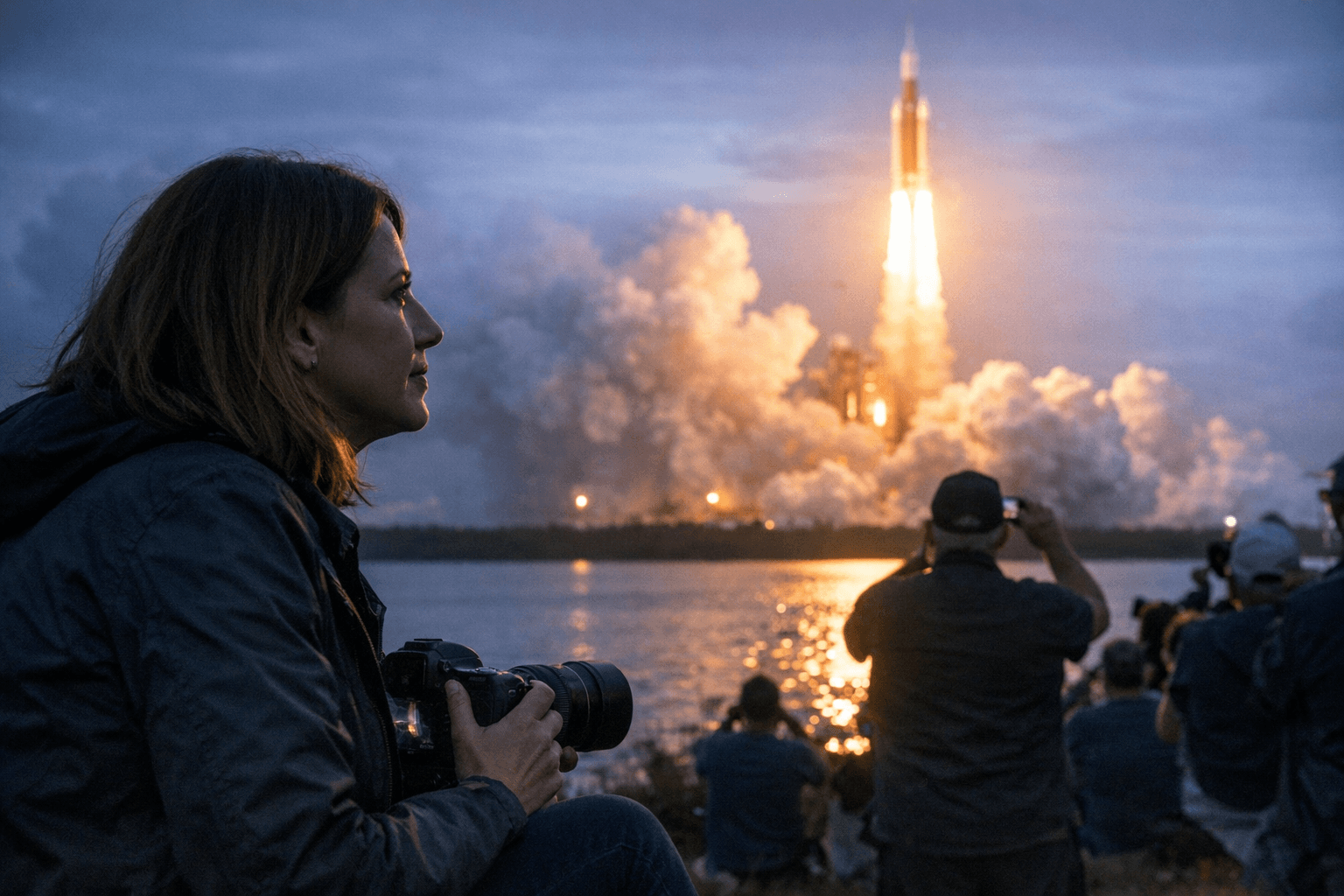
What Artemis II was testing goes directly to what Artemis III must deliver. This was a circumlunar transit, not a landing, and its explicit purpose was to validate the Orion spacecraft's systems under crewed conditions. One of the most important things on this mission, different from Artemis I, was testing the environmental controls and life support systems with four people depending on them for the first time, following the uncrewed 2022 Artemis I flight. The engineering data gathered will inform NASA's decision on when to certify the program for a surface landing, a mission planned to use commercial landers from SpaceX and Blue Origin. The Artemis program has cost an estimated $93 billion to date, with Boeing as the SLS prime contractor and Lockheed Martin building the Orion capsule. Each validated test flight reduces the technical risk that the next crew, who will actually descend to the lunar surface, will face.
Before splashdown, Morelle spoke to the four Artemis II astronauts as they journeyed home from their dramatic lunar flyby, which saw them travel further from Earth than any other humans since Apollo. Mission specialist Christina Koch said she would mainly miss the "camaraderie," describing the relationship forged between the crew members as "brothers and sisters." The Artemis II astronauts splashed down at 8:07 p.m. ET on April 11, bringing their historic 10-day mission around the Moon to an end, completing a journey more than half a century in the making. The next crew will go further still.
This article was produced by Prism’s automated news system from verified source data, official records, and press releases, then run through automated quality and moderation checks before publishing. The system is built and supervised by the people who set the standards it runs under. Read our full AI policy.
Did this article answer your question?