BBC Verify examines how the US-Iran deal could reshape sanctions, nukes and weapons
The deal swaps pure pressure for a 60-day opening on nukes, sanctions and the Strait of Hormuz, but the real shift is enforceable leverage, not symbolism.
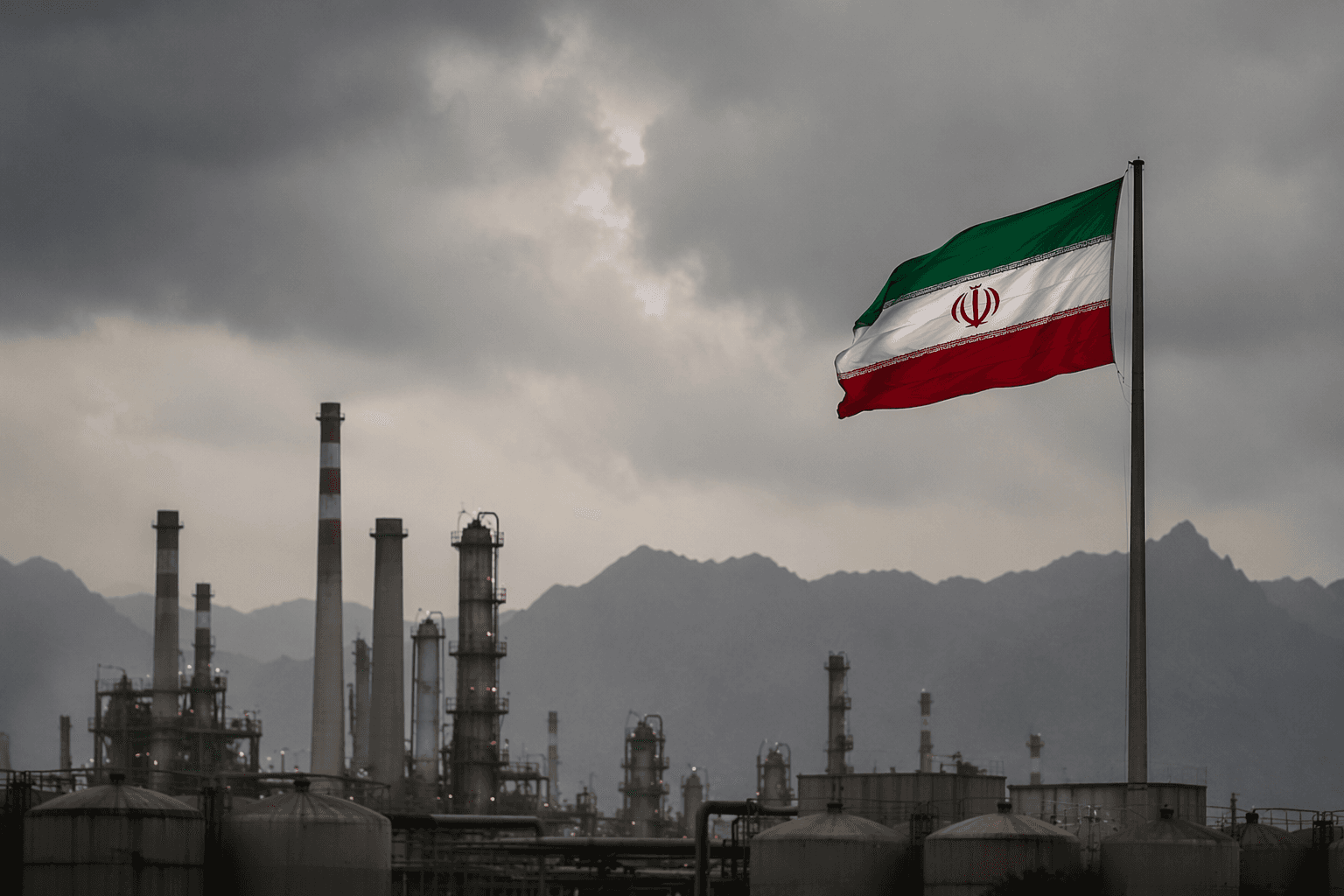
A fragile US-Iran understanding is changing the terms of pressure, not ending the conflict. The Trump administration is presenting the arrangement as the close of military operations and the start of a 60-day negotiating window on Iran’s nuclear program and sanctions relief, after nearly four months of war. It began as a memorandum of understanding, with fuller signing expected later in Geneva, which makes the gap between political signaling and binding enforcement central to how the deal should be read.
A deal built around a pause, not a peace treaty
The first difference from a classic peace agreement is legal weight. US officials described the initial text as a memorandum of understanding rather than a fully signed treaty, which means the document opens a process instead of locking in every obligation at once. That matters because the administration is using the early deal to claim momentum while leaving the hardest questions, especially nuclear restrictions and sanctions relief, to be hammered out over the next 60 days.
The structure also shows how much leverage remains in play. The United States is not simply relaxing pressure and walking away; it is trying to convert military de-escalation into a bargaining phase that can still be reversed if talks fail. In that sense, the agreement is less a final settlement than a controlled pause designed to reshape the next stage of confrontation.
Weapons: from broad pressure to targeted procurement sanctions
On weapons, the change is narrower than the headlines suggest. The White House has repeatedly framed Iran as a missile and nuclear threat, and it says the administration’s aim is to end that threat and ensure Iran never acquires a nuclear weapon. At the same time, the State Department has been tightening the noose around Iran’s procurement networks, showing that Washington is still treating weapons access as a live security problem even while negotiating.
That pressure sharpened on June 10, 2026, when the State Department said it was disrupting Iran’s weapons procurement. On June 17, it announced sanctions on 13 individuals and entities linked to efforts to source and buy weapons, including man-portable air-defense systems, on behalf of the Islamic Revolutionary Guard Corps. The message is clear: the new deal does not erase the US view that Iranian procurement chains, especially those tied to the IRGC, remain a direct threat.
Iran’s response is equally important to the delta. Tehran has reiterated that it will never produce nuclear weapons, and allied reporting said that line appears in the new draft. But critics point to Iran’s past enrichment breaches and say the details remain unclear, which means the weapons side of the deal still rests more on intent and monitoring promises than on fully tested guarantees.
Money: sanctions relief is the biggest break from the old model
The financial shift is where the agreement departs most sharply from the long-running US sanctions regime. The State Department says US sanctions on Iran have existed since 1979, after the seizure of the US Embassy in Tehran, and the current policy has aimed to deny Iran revenue from oil sales and other illicit trade. If the draft really does include sanctions relief and oil-export freedom, that is a major reversal in how Washington has tried to constrain Tehran’s state revenue.
Even before the deal, the US was still tightening economic pressure. On June 5, 2026, the State Department said it was targeting a network that had smuggled hundreds of millions of dollars’ worth of Iranian liquified petroleum gas to markets in South and East Asia. Officials said the network used front companies in the United Arab Emirates and China, along with Iran’s shadow fleet of vessels, which underlines how much of the contest has been about hidden trade routes, not just formal sanctions lists.
Reuters reported that a senior Iranian official said the draft included an oil sanctions waiver and asset release, while other reporting said the two sides were discussing significant sanctions relief in exchange for Iranian commitments. That is the heart of the money question: if oil revenue flows again, Iran gains resources that Washington has argued help fund regional activity and destabilizing behavior. If the relief is too broad or poorly enforced, the deal risks financing the same networks it is meant to constrain.
Maritime access: the Strait of Hormuz is the strategic choke point
The shipping piece may be the most consequential for the wider region. The Strait of Hormuz is one of the world’s most important trade chokepoints, and the deal reportedly aims to reopen maritime traffic after the conflict disrupted shipping and rattled energy markets. That means the agreement is not only about Iran and the United States, but about whether global energy flows can move without being held hostage to escalation in one narrow waterway.
The US has described Iranian sanctions evasion as involving illicit ship-to-ship transfers and “dark fleet” operations that rely on deceptive shipping practices and endanger legitimate commerce. It has also said it worked with Bahrain and Gulf partners Saudi Arabia, the United Arab Emirates, Kuwait and Qatar on a UN Security Council resolution to defend freedom of navigation in the Strait of Hormuz. That tells you how central maritime security has become to the broader bargain, because reopening the sea lanes is not symbolic diplomacy, it is an economic and security necessity.
Why the differences matter now
Israel is not a party to the agreement, which makes durability a live political question from the start. CNBC reported that markets rallied after the preliminary deal, with oil prices and bond yields falling, a reminder that even a partial easing of war risk can move global finance quickly. But the same reporting also stressed the uncertainty over the final text, nuclear restrictions and what comes next.
That is why the real test is not the announcement itself but the 60-day follow-through. If the talks produce verifiable limits on Iran’s nuclear program, carefully scoped sanctions relief and credible maritime protections, the deal could reduce military risk and stabilize trade flows. If not, it risks becoming another temporary pause, valuable for the markets but too thin to change the security calculations that brought the region to the brink.
This article was produced by Prism’s automated news system from verified source data, official records, and press releases, then run through automated quality and moderation checks before publishing. The system is built and supervised by the people who set the standards it runs under. Read our full AI policy.
Know something we missed? Have a correction or additional information?
Submit a Tip