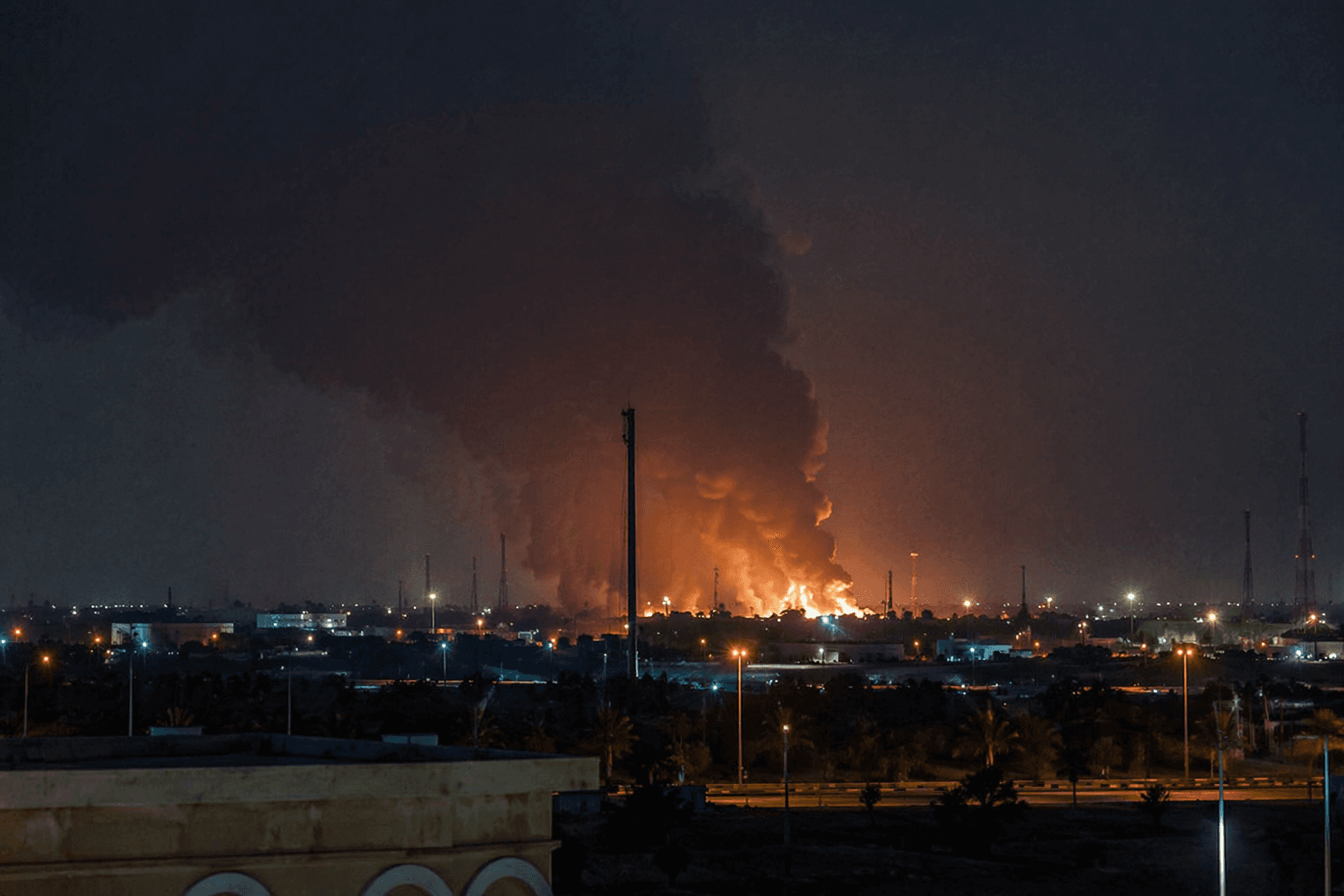
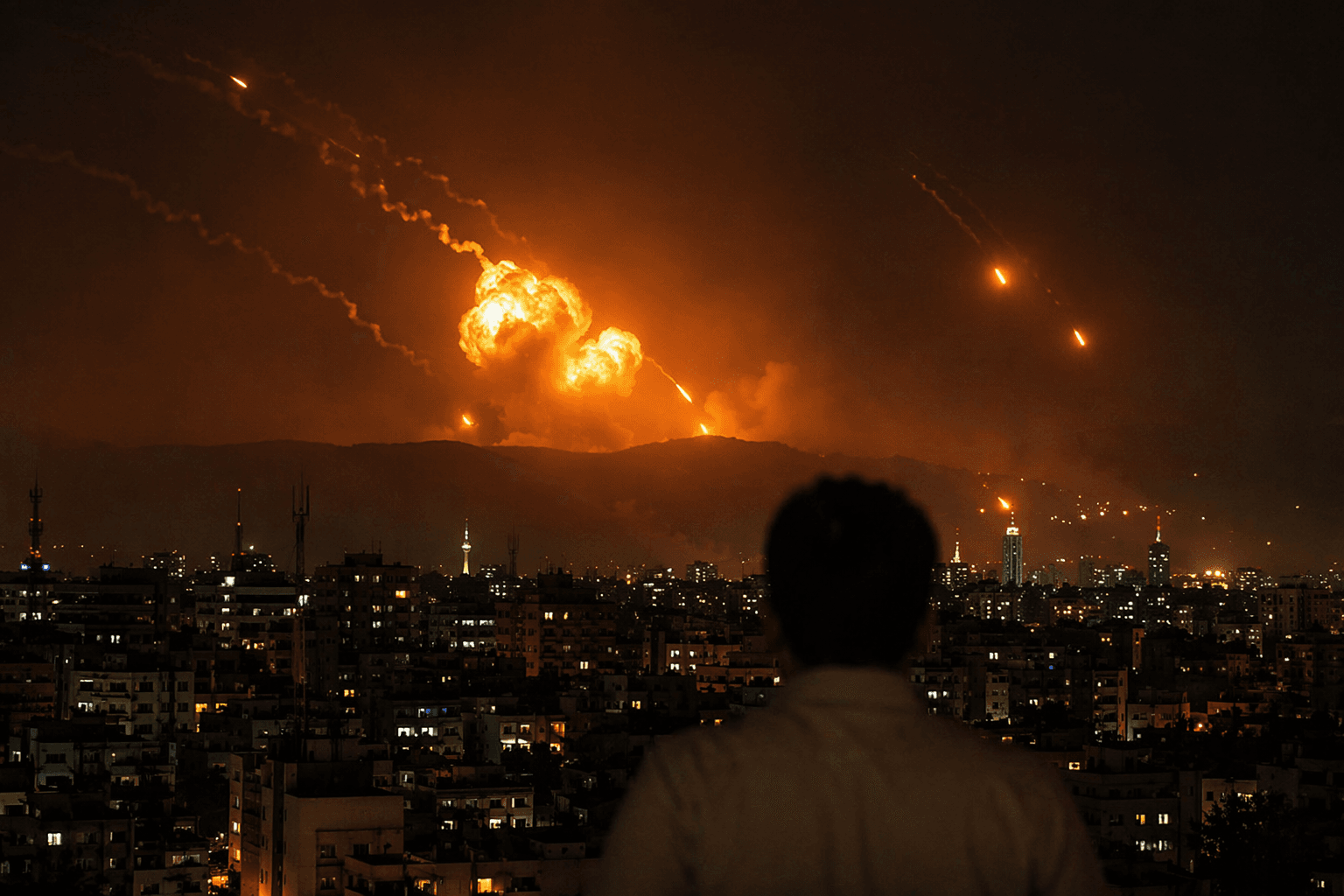
Belfast riots flare as anti-immigrant violence spreads across Northern Ireland
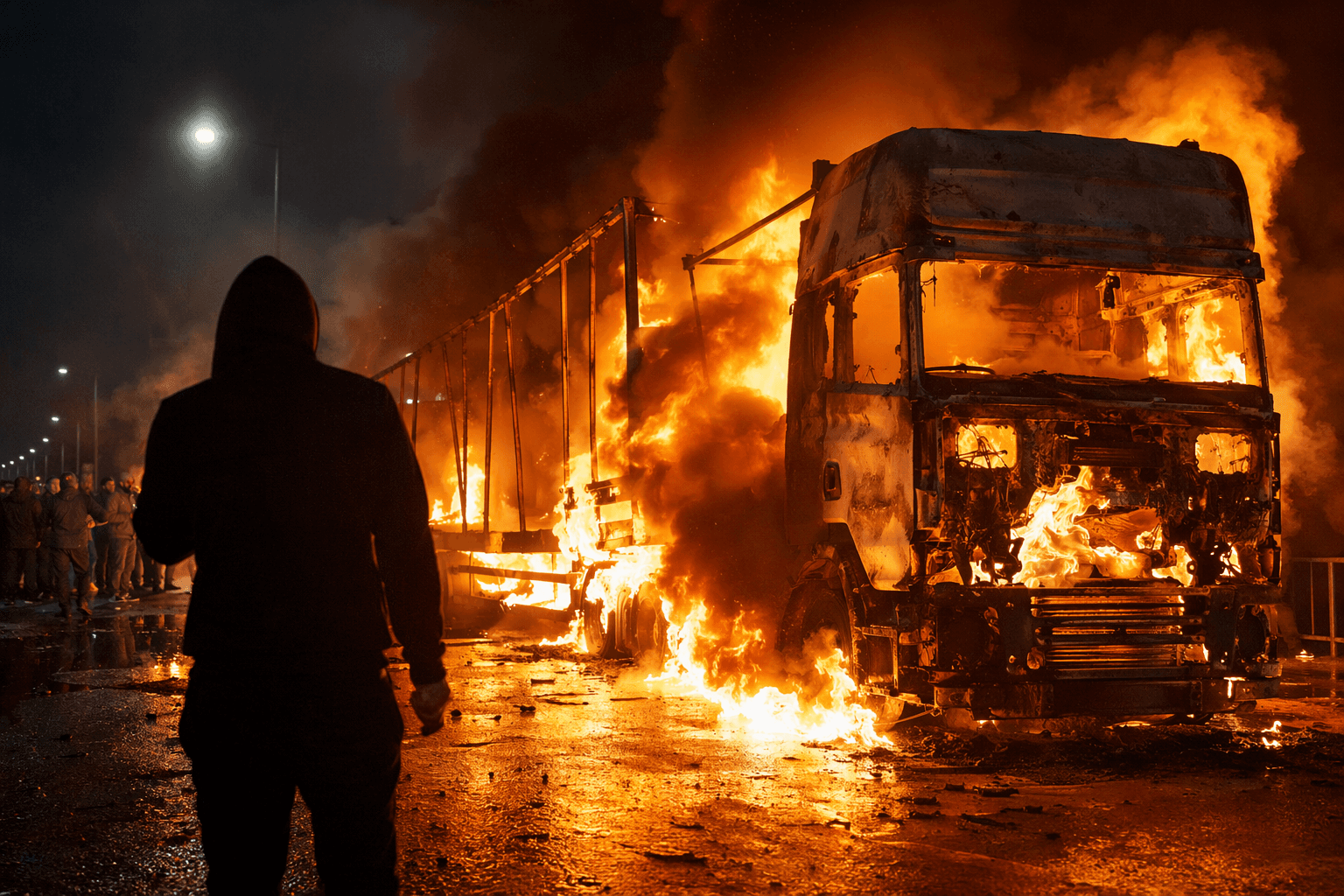
A lorry burned in County Antrim as anti-immigrant riots spread from Belfast, where police flagged an online hit list as unacceptable.
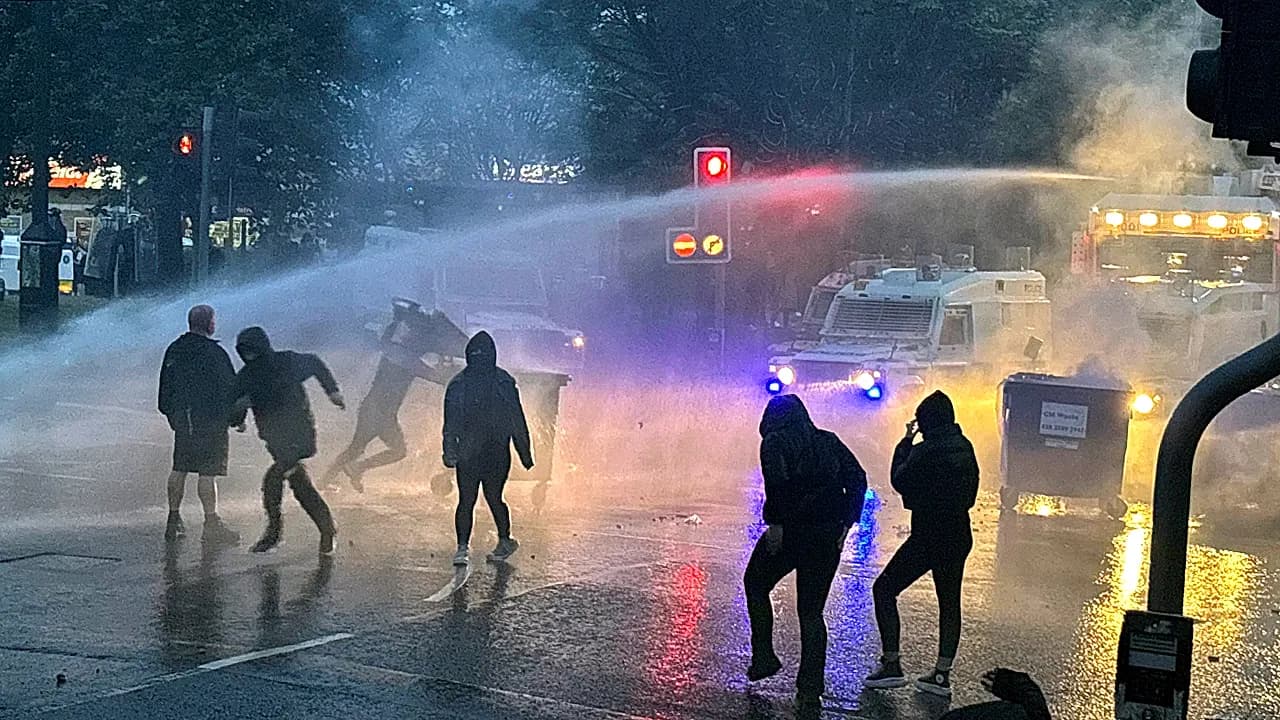
Belfast’s latest eruption of violence has sharpened concern that anti-immigrant rhetoric is no longer confined to politics or online abuse, but is spilling into street disorder. A stabbing in the city set off unrest that quickly widened beyond one neighborhood, with a lorry set on fire in County Antrim and police denouncing an online “hit list” as unacceptable.
The scenes in Belfast fit a troubling pattern across Northern Ireland and the wider United Kingdom, where anger around migrants and asylum seekers has increasingly targeted accommodation sites and spread through social media. Officials are treating the disorder not just as local trouble but as anti-immigrant and anti-asylum-seeker violence, a sign that resentment is being organized and amplified rather than left to simmer.
That makes the symbolism of Belfast especially stark. The city has long been a flashpoint for identity politics and sectarian confrontation, and unrest there has repeatedly turned violent over disputes that blend religion, history and territorial control. In one AP-reported episode, police deployed water cannons for the first time in six years as protesters hurled stones, fireworks and gasoline-filled bottles at officers. In another nighttime riot, at least 10 police officers were injured after a Protestant brotherhood was blocked from marching past a Catholic district.
Those old fault lines help explain why disorder in Belfast resonates far beyond the city centre. Violence that begins around a single incident can rapidly become a test of whether Northern Ireland’s post-peace settlement can withstand new forms of polarization, especially when the target is no longer only a rival community but migrants and asylum seekers.
Police have also treated anti-immigration messaging itself as part of the threat. In west Belfast, signage aimed at immigrants was treated as a hate incident, underscoring how quickly rhetoric can move into intimidation and then into violence. The response from Britain’s political system has been familiar: calls for calm, condemnation of the violence and concern that online mobilization is accelerating events on the ground.
The latest unrest is a reminder that Northern Ireland’s old divisions have not disappeared. They have been joined by a new grievance politics that draws energy from migration fears, local frustration and digital mobilization, creating a more volatile mix that can turn a single stabbing into a wider public security crisis.
This article was produced by Prism’s automated news system from verified source data, official records, and press releases, then run through automated quality and moderation checks before publishing. The system is built and supervised by the people who set the standards it runs under. Read our full AI policy.
Know something we missed? Have a correction or additional information?
Submit a Tip