Bipartisan Senate talks collapse, leaving ACA subsidy revival in limbo
Negotiators say efforts to renew expanded Affordable Care Act subsidies have effectively failed, risking sharply higher premiums for millions in 2026.
Negotiators told reporters on Feb. 4–5 that efforts to reach a deal to revive expanded Affordable Care Act premium subsidies appear to have failed, collapsing a bipartisan effort that had briefly raised hopes of cushioning large premium increases next year.
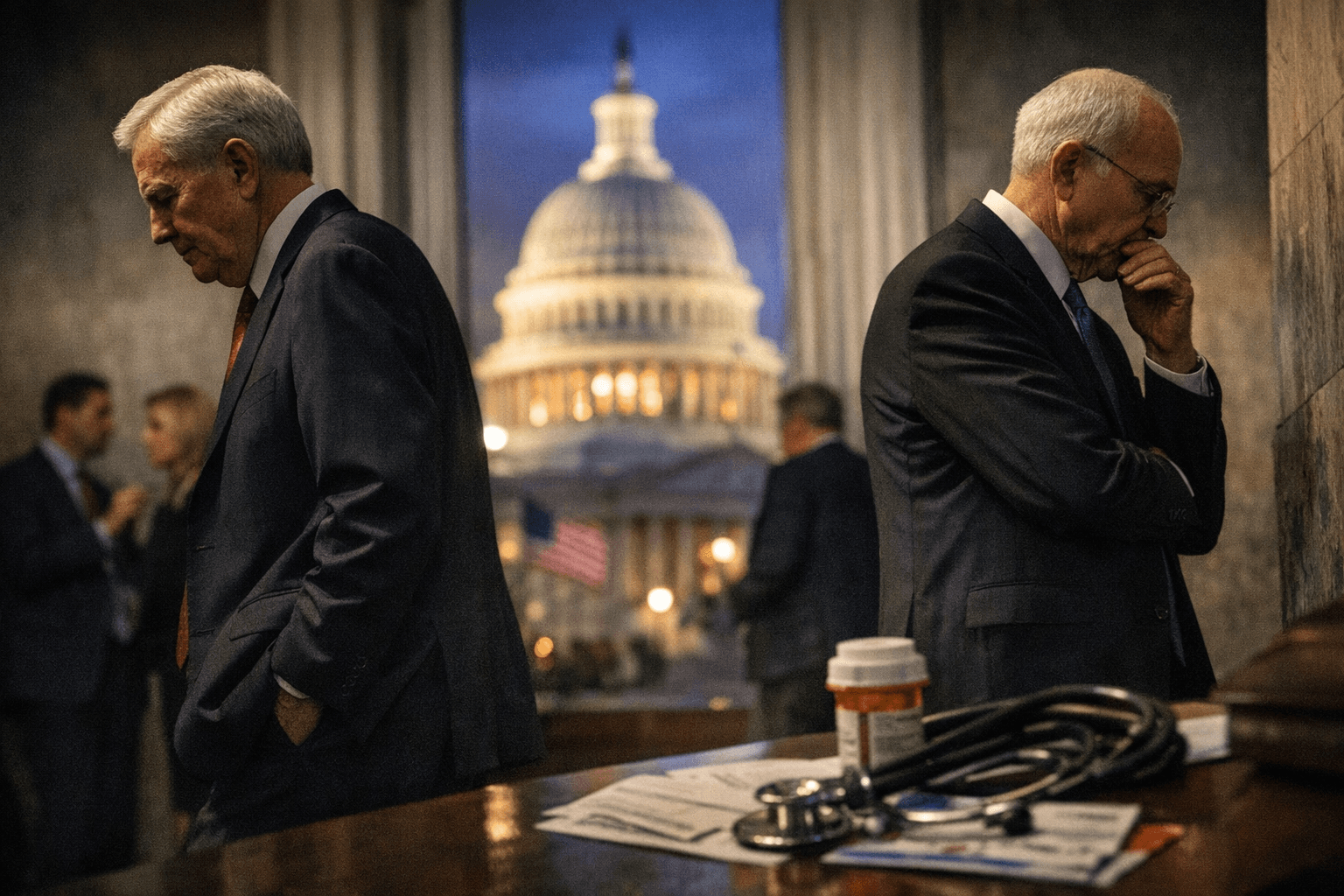
The collapse leaves the House-passed three-year extension of the enhanced tax credits without a clear path in the Senate. House Democrats pushed a three-year bill through the lower chamber, but most Senate Republicans signaled they do not want to resurrect the subsidies, and Senate Majority Leader John Thune has not endorsed any proposal and voted against the House-backed measure.
The dispute marked a stark reversal from early January, when a fluctuating group of roughly a dozen senators described tentative progress. That group had been discussing a draft that would reestablish the enhanced tax credits for two years, impose minimum premium payments and income caps, and pair the renewal with new cost-sharing reduction measures and expanded access to health savings accounts. One negotiator, Sen. Bernie Moreno of Ohio, had been publicly optimistic then, saying the group would “hopefully” reach a deal and release “a tentative thing soonish,” and adding that legislative text could be finalized “realistically, probably Monday.”
By early February, however, talks sputtered. One source plugged into the talks said conservative demands to tie any deal to abortion restrictions had become “intractable,” and Democratic senators called such restrictions a nonstarter. Sen. Susan Collins of Maine said she was “encouraged” by the earlier progress, but those hopes were overtaken by partisan divisions and procedural constraints as senators left town Thursday for a one-week recess.
Senate leaders kept their caucuses informed as negotiations proceeded, and Democratic leadership tried to enlist White House support. Schumer’s office said he met with President Trump at the White House and “raised the need for President Trump to push Senate Republicans to support the three-year extension of the ACA tax credit bill that has already passed the House.” There was no public indication that the White House committed to that request.
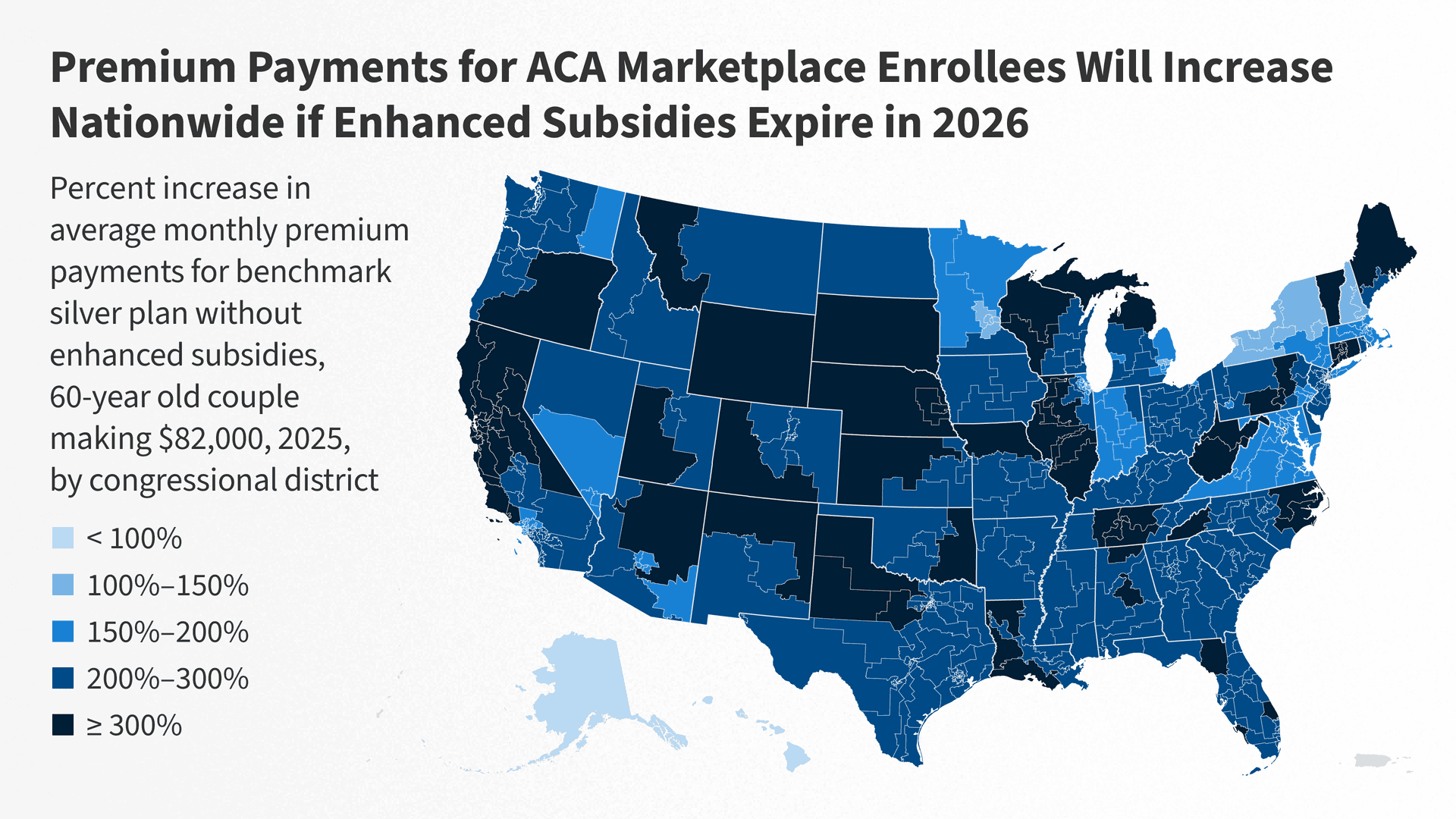
The lapse of the enhanced credits will have immediate consequences for consumers. Reporting shows the enhanced subsidies had lapsed at the turn of the year; some accounts say they expired Jan. 1, while others note Congress let them expire in December. The absence of the expanded tax credits has already caused many people’s premiums to “double or triple,” and analysts warn millions will face higher premiums for 2026. Most people affected by those increases live in states that President Trump won.
Health policy experts said the political fallout is notable. Jonathan Oberlander, a political scientist at the University of North Carolina at Chapel Hill, said, “Congressional Republicans can't seem to quit the Obamacare repeal fight, even though the politics of the Affordable Care Act have changed a lot over the past 15 years.” He added that “it is, on balance, now a very popular program. Its main coverage policies, including the enhanced subsidies, have been in place for many years and helped tens of millions of Americans.” On the immediate political cost, he warned: “It is a terrible political look for congressional Republicans, and it's a terrible reality for many of their constituents who are going to face these skyrocketing premium payments.”
With the Senate negotiations effectively collapsed and no new text in sight, lawmakers face a narrowing window to find a compromise before higher costs take deeper hold of the individual insurance market.
This article was produced by Prism’s automated news system from verified source data, official records, and press releases, then run through automated quality and moderation checks before publishing. The system is built and supervised by the people who set the standards it runs under. Read our full AI policy.
Did this article answer your question?