Brazil launches subsidized motorcycle loans for app delivery drivers
Brazil opened subsidized motorcycle loans at 11.5% for women and 12.5% for men, aiming to finance about 100,000 app workers as Lula courted households.
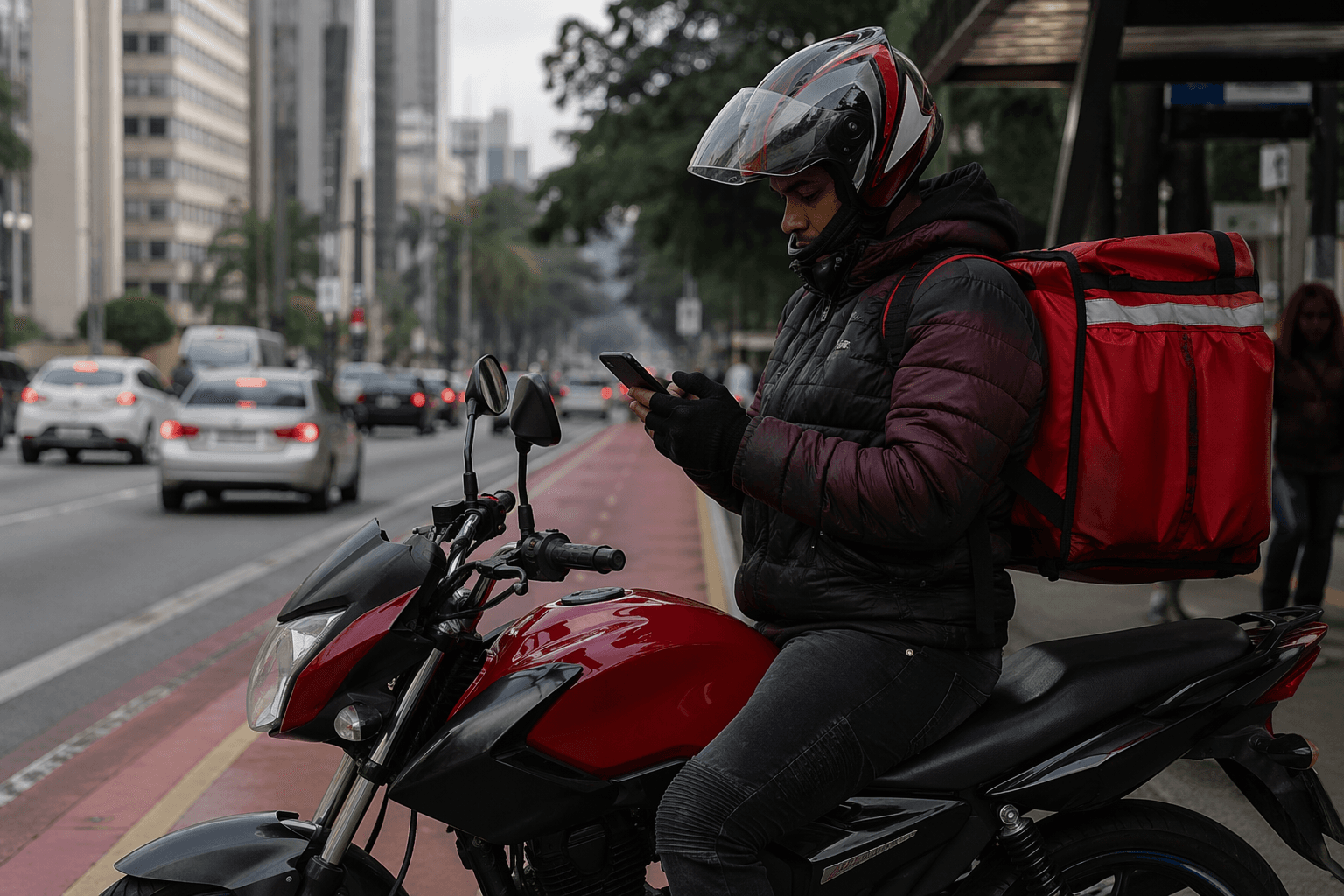
Brazil moved to put cheap state-backed credit behind the app delivery economy, launching a motorcycle financing line that officials say could reach about 100,000 vehicles and give riders a faster route to ownership, at least on paper. The program, Move Brasil - Entregadores e Motoapp, was announced by President Luiz Inacio Lula da Silva at the Palácio do Planalto in Brasilia and is meant to support workers who deliver food, passengers and cargo through apps or under formal contracts.
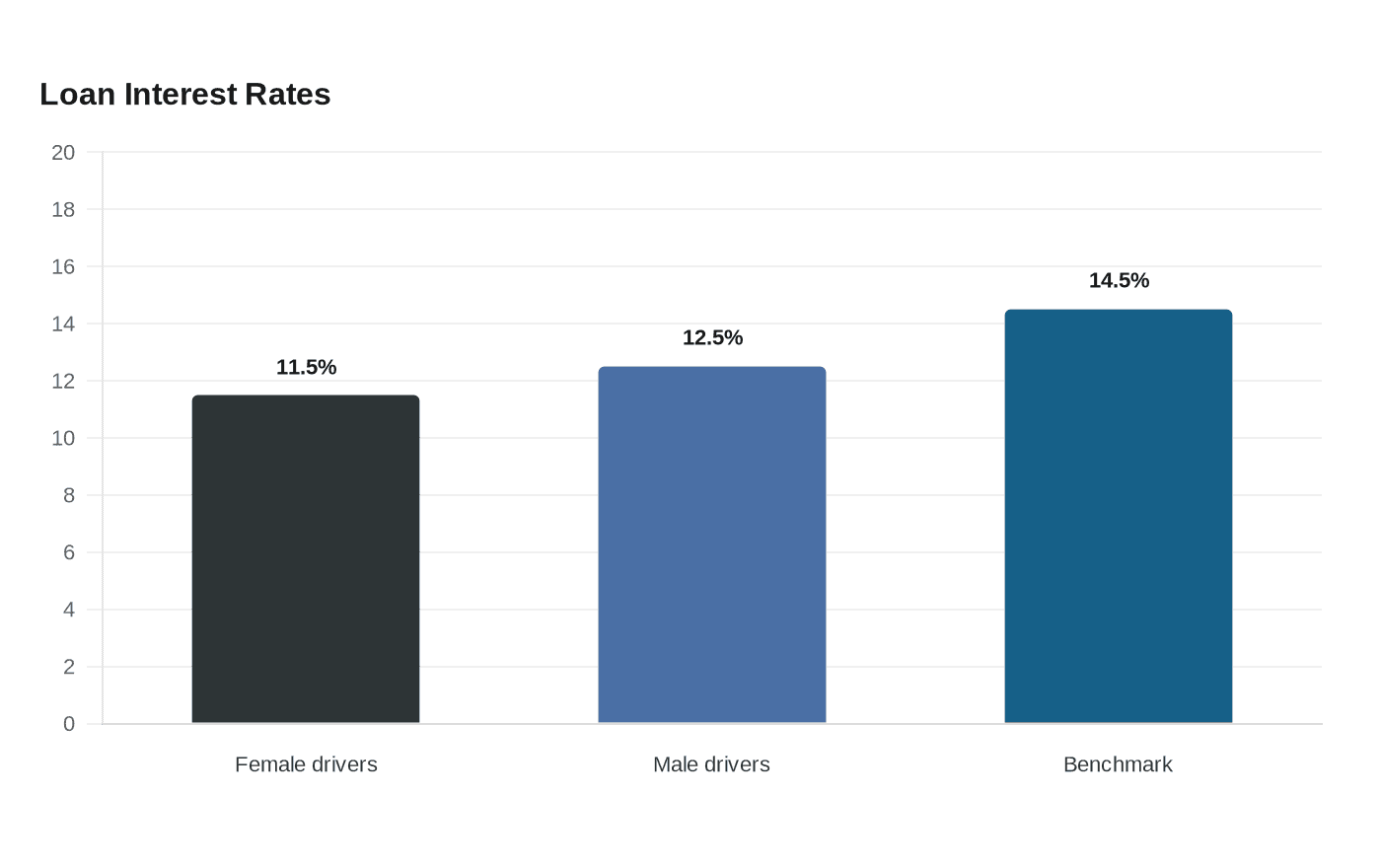
The headline numbers are striking. Planning Minister Bruno Moretti said annual interest rates would be 11.5% for female drivers and 12.5% for male drivers, below the central bank benchmark of 14.5%. Caixa Economica Federal and Banco do Brasil will provide the loans, while a government fund will absorb part of the losses if borrowers default. Borrowers get a two-month grace period before repayments begin, and the loans can run for up to 48 months.
For a delivery driver, the economics are mixed. Cheaper credit can lower the barrier to buying a motorcycle, but it also ties income more tightly to a volatile gig model in which fuel, maintenance, tires and accident risk are paid out of daily earnings. The government’s own framing makes the trade-off plain: the program is designed to improve access to credit, renew the fleet, increase work safety and support decarbonization of urban mobility. It also prioritizes motorcycles, motonetas, ciclomotores and electric bicycles made in Brazil, which makes the policy as much an industrial support measure as a labor policy.
Officials have cast the program as part of a broader push to expand consumption without worsening the federal primary balance. That matters in a year when Lula is seeking a fourth non-consecutive term and the administration is leaning on household credit to sustain demand. The financing line follows a May 19 package that opened up to R$30 billion in subsidized loans for ride-hailing drivers and taxi operators, and it comes alongside debt renegotiation efforts for consumers.
The move also updates a regulatory framework that the government says no longer fits platform work. Brazil’s 2009 law governing mototaxistas and motoboys was written before app-based labor became central to city transport and delivery. By channeling public credit into that sector, the government is betting that easier access to motorcycles will lift workers’ earnings and safety, even as it helps props up a labor market built on short-term, app-driven demand.
This article was produced by Prism’s automated news system from verified source data, official records, and press releases, then run through automated quality and moderation checks before publishing. The system is built and supervised by the people who set the standards it runs under. Read our full AI policy.
Know something we missed? Have a correction or additional information?
Submit a Tip