SpaceX sets record IPO, lifts market value above $2 trillion
SpaceX sold 555.6 million shares at $135 and jumped 19% on day one, but Musk kept 82.4% voting control. The public bought a $2 trillion valuation and a tighter grip on power.

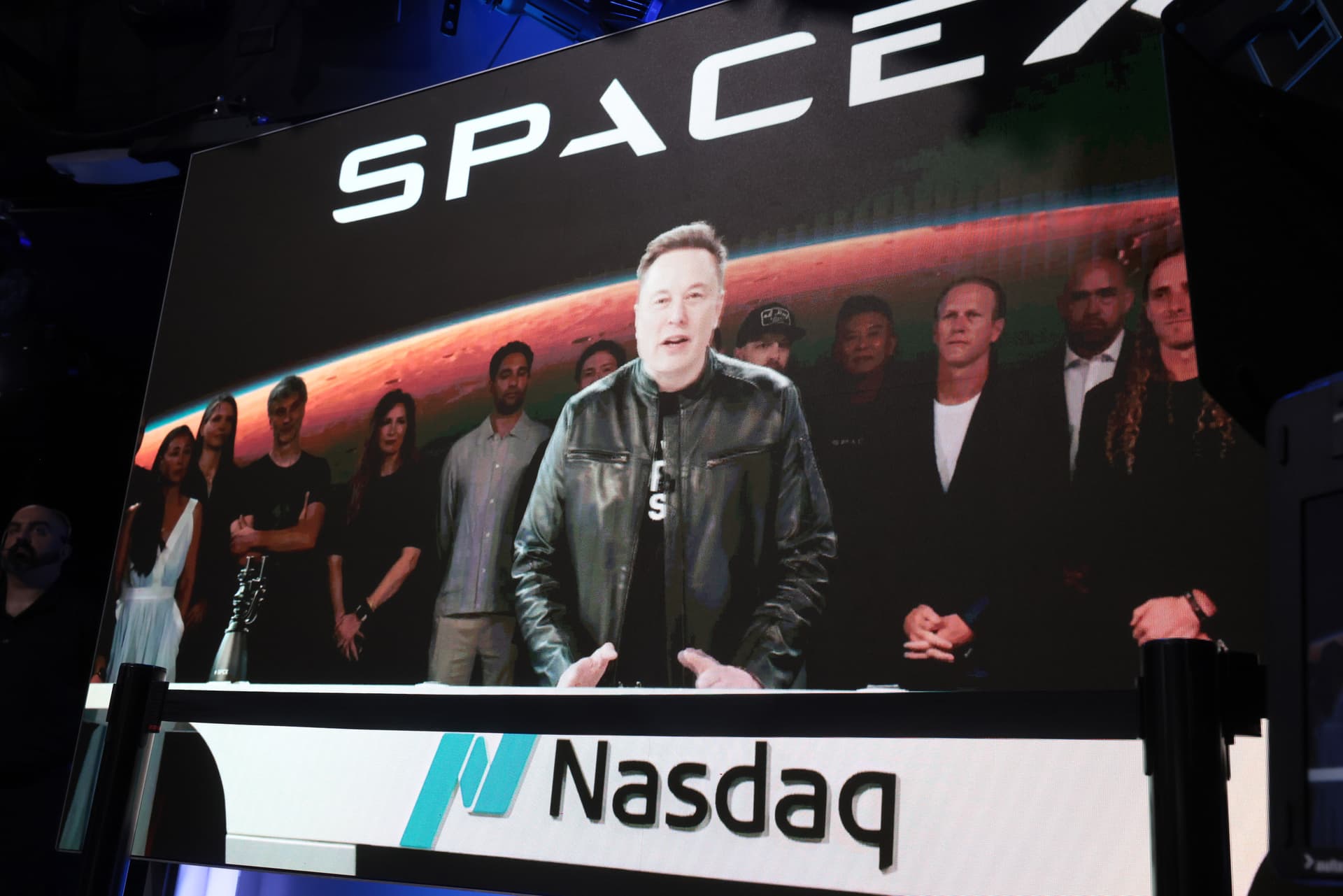
SpaceX turned its Wall Street debut into a $2 trillion statement of power, not just price. The company sold 555.6 million shares at $135 each, raised $75 billion and saw its stock open at $150 before closing at $160.95, up about 19% on its first trading day on Nasdaq under the ticker SPCX.
The larger story was who kept control. Elon Musk will retain 82.4% voting power after the offering, according to SpaceX’s prospectus, giving public investors a stake in the business without much say over its direction. That structure defined the deal from the start: a fixed price, an unusually large retail allocation and a take-it-or-leave-it offer that departed from the traditional book-built IPO process.
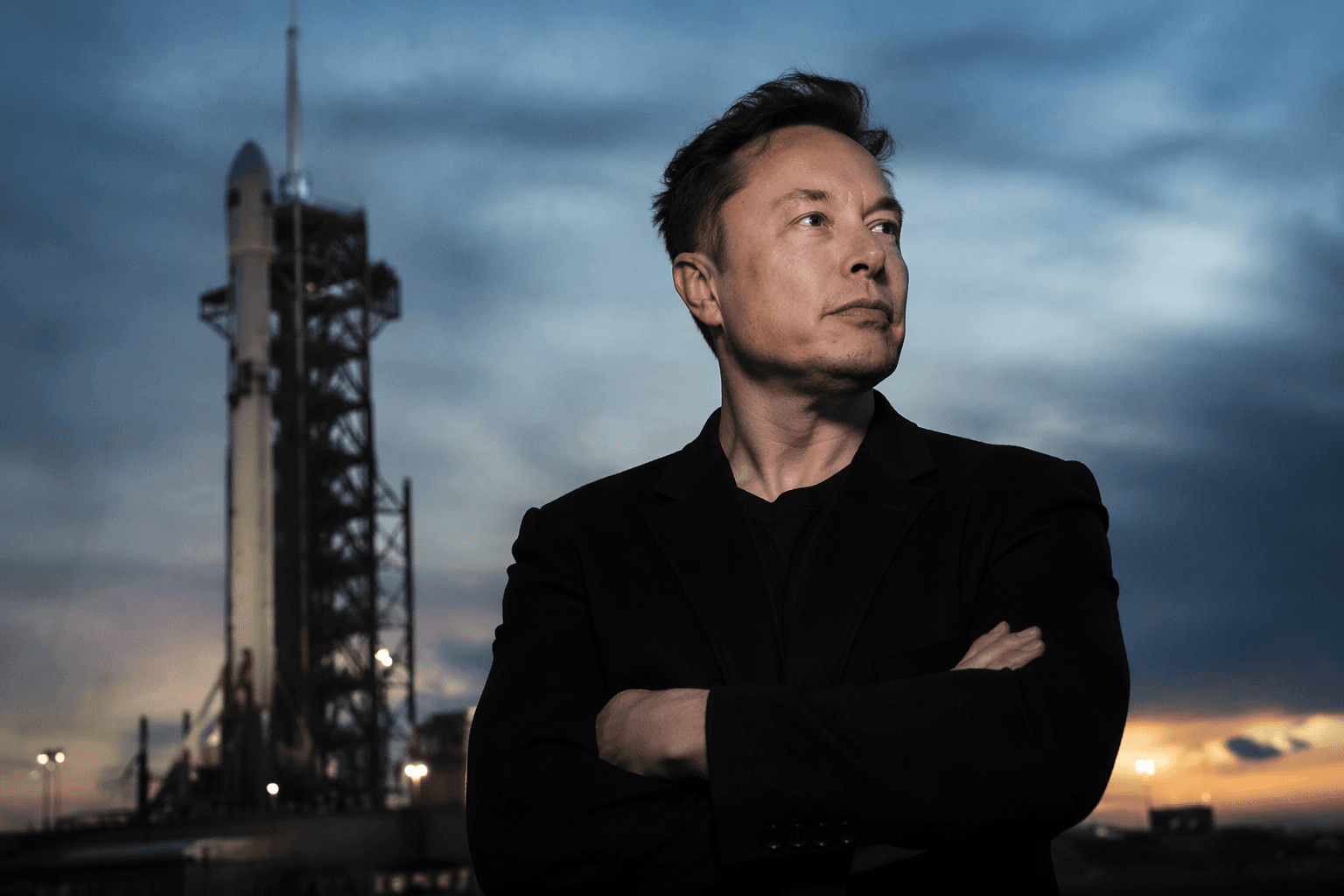
That governance trade-off is the real test for investors. SpaceX is asking the market to fund a company valued above $2 trillion while keeping command concentrated in the hands of one founder. For buyers, the attraction is obvious. For shareholder-rights advocates, the risk is equally clear: market enthusiasm can lift the share price even when voting power stays locked up at the top.
SpaceX framed the listing as capital for a significant growth phase. The company said it plans more than 100,000 satellites and is exploring possible artificial intelligence data centers in space, ambitions that depend on years of heavy spending and execution risk. Its filing also showed total losses of $41.3 billion since the company was founded in 2002, even as Starlink has become the most profitable part of the business.
The debut also pushed Musk into rare territory, with several outlets calling him the world’s first trillionaire after the first day of trading. But the numbers only sharpen the central question for public investors: are they buying into a company with a long runway, or into a power structure built around Musk himself? SpaceX’s offering suggests the answer is both, and that the trade-off comes with fewer checks than most market debuts.
This article was produced by Prism’s automated news system from verified source data, official records, and press releases, then run through automated quality and moderation checks before publishing. The system is built and supervised by the people who set the standards it runs under. Read our full AI policy.
Know something we missed? Have a correction or additional information?
Submit a Tip