Former Western Asset executive pleads guilty in SEC obstruction case
Kenneth Leech admitted obstructing an SEC probe after prosecutors tied him to a $600 million cherry-picking scheme that shuffled gains to favored portfolios.
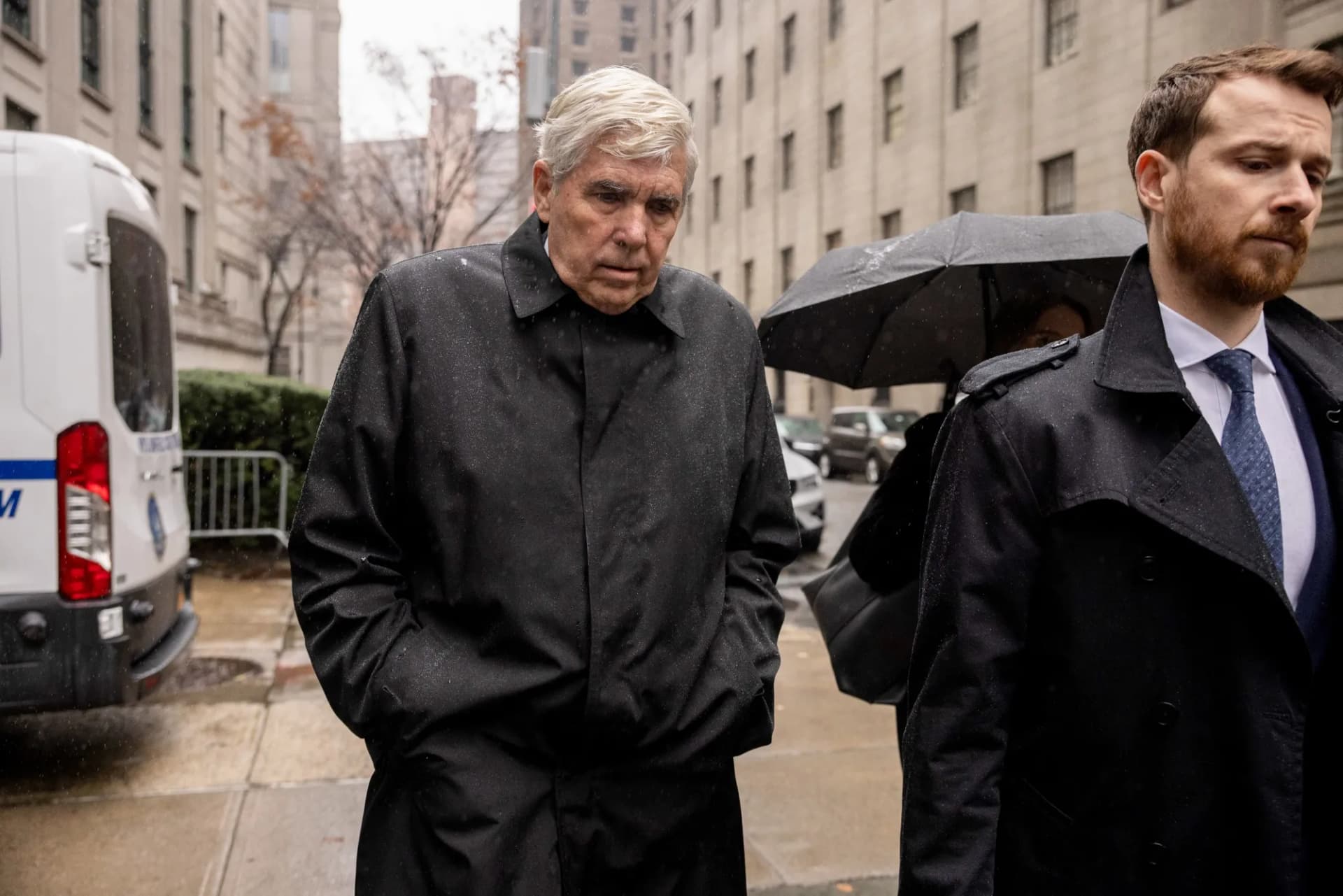
Kenneth Leech, the former co-chief investment officer at Western Asset Management Co., pleaded guilty Thursday to obstructing an SEC proceeding after prosecutors said he helped steer a massive cherry-picking scheme that favored some portfolios over others. The plea came just as he was set for trial in Manhattan federal court, and it sharply narrowed his immediate exposure in a case that now spans criminal, regulatory and civil penalties.
Cherry-picking, in plain English, is the practice of giving winning trades to preferred accounts and leaving the losses for everyone else. Federal prosecutors said Leech used that method from at least January 2021 through October 2023, shifting roughly $600 million in net first-day gains to favored strategies and clients while assigning about $600 million in net first-day losses to disfavored ones. They said the conduct helped offset losses in his marquee Macro Opportunities strategy by pushing winning trades into that portfolio and moving losers into Core and Core Plus accounts.

The obstruction charge centered on Leech’s sworn testimony to the SEC in March 2024. Prosecutors said he lied when asked whether he had an allocation in mind while placing trades, a point that went to the heart of how the trades were booked. The indictment said he placed orders through brokers and then routinely waited until later in the day to decide where to allocate them, giving him time to see how prices moved before deciding which investors got the gains and which absorbed the losses.
That matters far beyond one bond desk. Pension funds, retirement savers and other institutional clients rely on asset managers to treat accounts fairly and to allocate trades based on policy, not hindsight. The SEC said Western Asset had represented to investors that allocations were made promptly after trades and before their performance was known. The agency also said the firm knew Leech’s trading and allocation practices diverged from those of other managers at the firm, a sign that the controls around one of the most basic duties in asset management were not working as they should.
Under the plea agreement, the more serious fraud charges against Leech are expected to be dropped. At 72, he faces recommended federal sentencing guidelines of six to 12 months in prison, far less than the exposure he would have faced if a jury had convicted him on the broader fraud case. Western Asset separately agreed on June 5 to pay a $100 million SEC penalty to resolve supervision allegations without admitting wrongdoing, underscoring how a single portfolio manager’s conduct can trigger penalties that ripple across an entire firm and raise bigger questions about whether regulators uncovered one bad actor or a deeper weakness in oversight.
This article was produced by Prism’s automated news system from verified source data, official records, and press releases, then run through automated quality and moderation checks before publishing. The system is built and supervised by the people who set the standards it runs under. Read our full AI policy.
Know something we missed? Have a correction or additional information?
Submit a Tip