Brazil poised for 14 million ton soybean export surge in Jan-Feb
Preliminary shipping schedules and Anec estimates show Brazil could export about 14 million metric tons of soybeans in Jan-Feb, despite farmers’ slow forward sales.
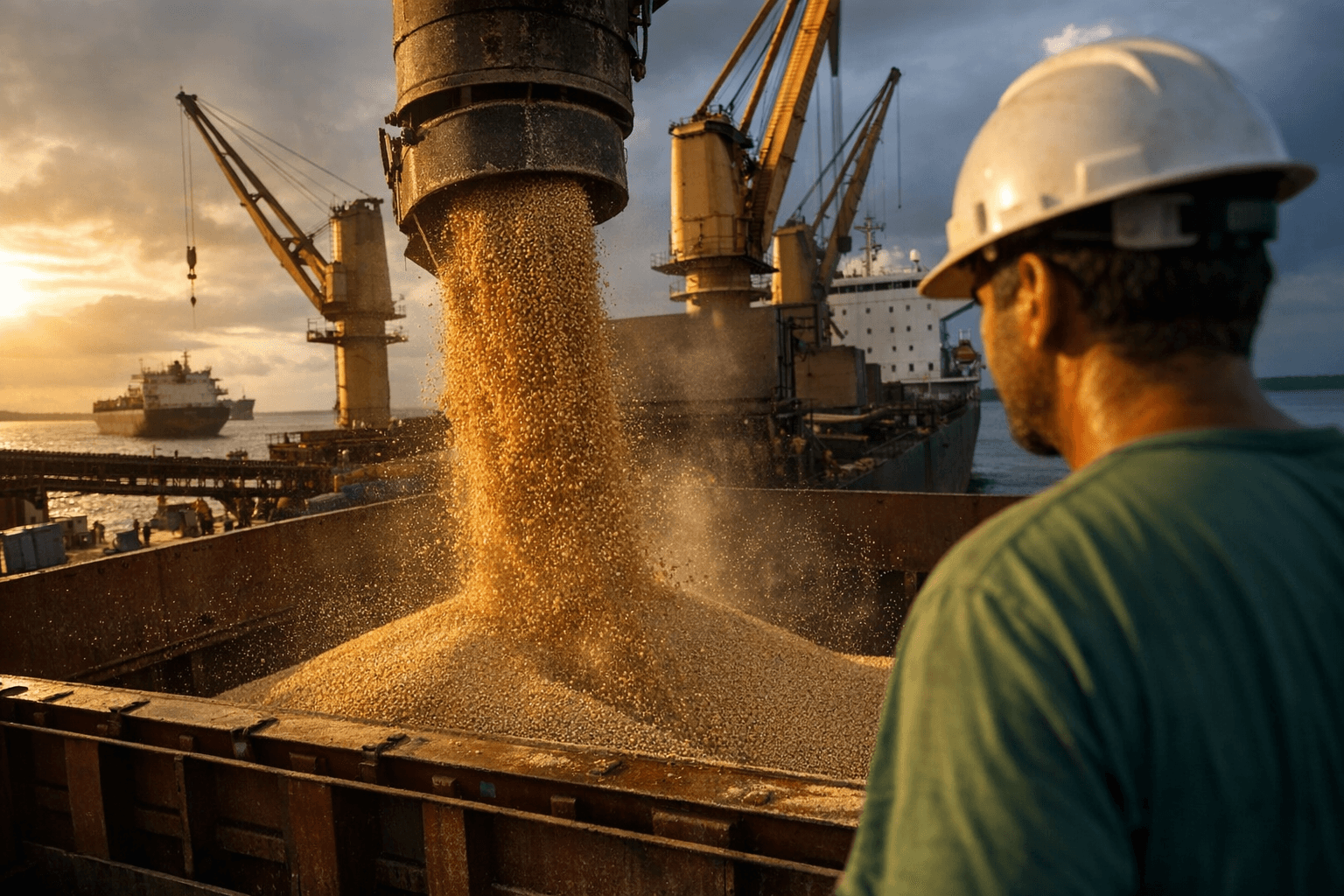
Preliminary shipping schedules and estimates from industry group Anec indicate Brazil could move roughly 14 million metric tons of soybeans from January through February, a heavy export flow that comes despite unusually slow forward sales by farmers. The projection suggests exporters and logistics operators are preparing for a near-term surge in loadings even as producers hold back on contracting new sales.
The paradox reflects a split in the supply chain. Farmers have been slower than normal to lock in forward prices, opting to retain grain in expectation of better bids or to meet domestic demand for soy meal and seed. At the same time, grain traders, processors and exporters appear positioned to lift large volumes from existing stocks, harvest pools and supplier contracts, keeping port loadings elevated through the peak shipping window.
From a market standpoint, a concentrated two-month flow of 14 million metric tons is significant. It should alleviate some near-term tightness in global soy markets and could cap upside pressure on benchmark futures. That outcome depends on delivery patterns and demand from major importers such as China, which remains the dominant destination for South American soy. A heavy Jan-Feb outflow would also influence soybean meal and oil markets, since port shipments affect nearby availability for crushers and refiners.
Logistics will be closely watched. Ports, barge systems and truck capacity must handle the concentrated throughput implied by the shipping schedules, and any bottlenecks could create localized carryovers and delays that reverberate through prices and insurance costs. Brazil’s firms have repeatedly wrestled with seasonal congestion, and a sharp spike in demand for freight space could push up maritime rates and slow turnaround times.
Policy and macroeconomic implications are material. A stronger-than-expected export run would support Brazil’s trade balance and could lend modest support to the real, adjusting terms of trade for agricultural producers and importers. For domestic policy makers, the situation highlights the importance of continuing investment in transport and port infrastructure to accommodate rising export volumes without driving up logistics costs.
For farmers, the current pattern raises strategic choices. Holding grain can be profitable if prices rally, but extended delays in selling expose producers to storage, quality and financing risks. Slow forward sales also reflect broader uncertainty about the outlook for global demand, input costs and currency moves that influence net returns to growers.
The episode fits within longer-run trends that have strengthened Brazil’s role in global oilseed markets. Expanding planted area, improvements in yields and trade relationships have lifted Brazil’s export capacity, but those gains depend on efficient logistics and weather outcomes during critical harvest months. The Jan-Feb shipping window will test both the market’s ability to absorb large volumes and the packing of supply chains that make Brazil the world’s key soy supplier.
This article was produced by Prism’s automated news system from verified source data, official records, and press releases, then run through automated quality and moderation checks before publishing. The system is built and supervised by the people who set the standards it runs under. Read our full AI policy.
Did this article answer your question?