Brazil Relaunches Debt Relief Program to Ease Household Pressure Ahead of Vote
Brazil revived Desenrola with wider eligibility and cheaper loans, after the first round helped 12 million people and renegotiated 35 billion reais in debt.
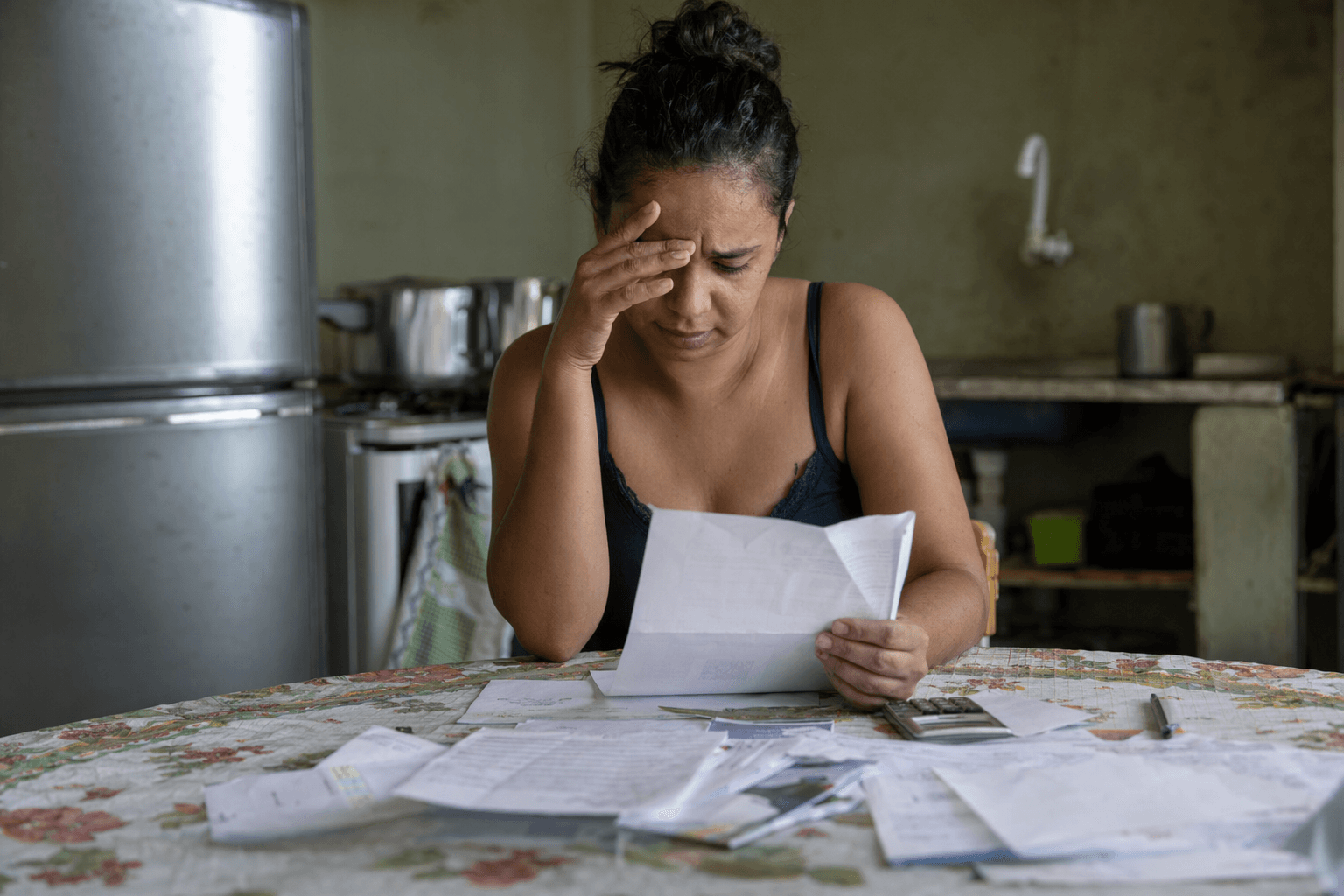
Brazil revived Desenrola on Monday, widening the country’s flagship debt-relief drive just as Luiz Inacio Lula da Silva pushes toward October’s reelection bid. The new round opens the program to workers earning up to five times the minimum wage, far above the two-minimum-wage ceiling that shaped the original federal guarantee, and extends relief to overdue debts between 90 days and two years old. Eligible obligations include credit cards, overdrafts, personal loans and FIES student loans, with renegotiated balances reported to carry a maximum interest rate of 1.99% a month.
The administration is leaning on the program’s earlier record to make the relaunch look like more than campaign-season packaging. Desenrola was created by federal law No. 14,690 on October 3, 2023, and the first phase helped about 12 million Brazilians, renegotiated 35 billion reais in debt, reached all 5,545 municipalities and skewed heavily toward women, who accounted for 55% of the restructurings. Brazil’s official Desenrola site calls it the largest debt renegotiation program ever developed by the federal government, and the new version is clearly intended to reach beyond the original low-income base.
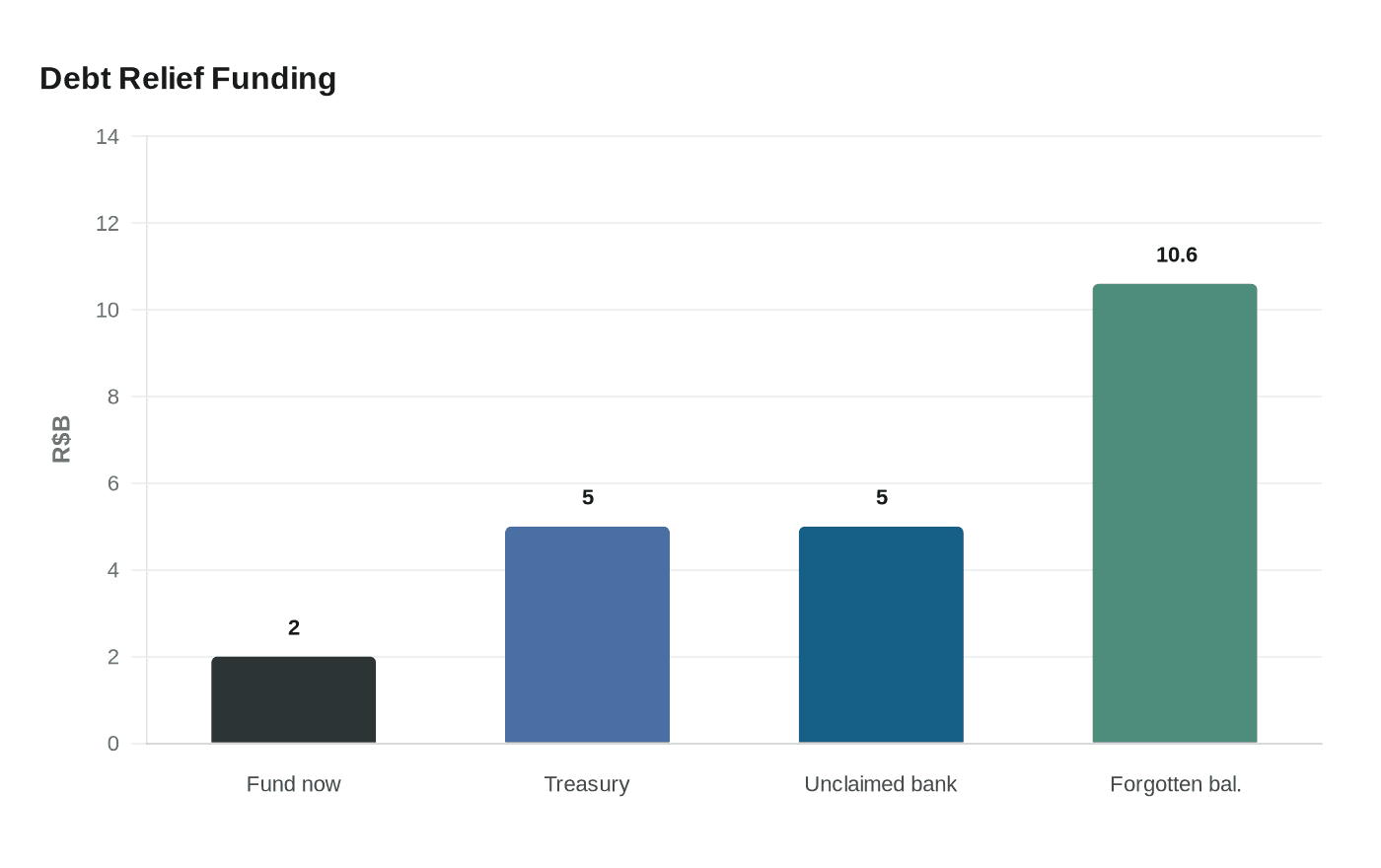
Dario Durigan, the finance minister, said the effort will be backed by the Fundo Garantidor de Operações, which could receive as much as 5 billion reais from the Treasury. He said the fund, which currently holds about 2 billion reais, could also be supplemented by 5 billion to 8 billion reais in unclaimed bank money. The central bank says forgotten balances total roughly 10.6 billion reais, and the government plans to publish a notice telling citizens how to reclaim those funds through the Banco Central do Brasil’s Valores a Receber system. Durigan also said the government would keep 10% of the money in reserve for possible court rulings.

The political calculation is hard to miss. Lula is trying to show voters that his government is responding to the cost of living, while polling has narrowed his lead over his main rival, Senator Flavio Bolsonaro, to a statistical tie in a runoff. The broader target is more than 100 billion reais in household debt, a scale that could matter for consumption if it genuinely frees up monthly cash flow for food, transport and other essentials. It could also help ease delinquency and support retail spending. But if households use the relief to take on new borrowing too quickly, the effect on inflation could be less benign.
This article was produced by Prism’s automated news system from verified source data, official records, and press releases, then run through automated quality and moderation checks before publishing. The system is built and supervised by the people who set the standards it runs under. Read our full AI policy.
Did this article answer your question?