DOJ Plans Agri Stats Settlement to Help Lower Food Prices
The Justice Department’s Agri Stats deal aims at a meat-industry data pipeline prosecutors say helped lift prices, not just a courtroom win.
The Justice Department’s planned settlement with Agri Stats goes to the center of the grocery-bill fight: prosecutors say the company’s data system helped meat processors see one another’s pricing, costs and output in ways that could support higher prices and tighter production. White House adviser Peter Navarro said the agreement was meant to reinforce the Trump administration’s affordability agenda, as officials try to answer voter anger over the cost of living.
The government’s case, United States v. Agri Stats, Inc., was filed on September 28, 2023, in federal court in Minnesota. The complaint says Agri Stats produced comprehensive weekly and monthly reports for participating meat processors, compiling recent sales prices, costs including worker and farmer compensation, and output data, often broken down by facility or company. California Attorney General Rob Bonta has said the amended complaint alleged thousands of competitively sensitive data points were included in those reports. Six attorneys general joined the case: Minnesota, California, North Carolina, Tennessee, Texas and Utah.
That is the theory of harm behind the settlement push. If processors can see detailed information about rivals’ margins, inventories and production plans, the government argues, the pressure to compete on price weakens. In a concentrated market, even a benchmark service can become a road map for matching output and avoiding aggressive discounting, which can leave purchasers with less leverage and consumers with higher prices at the checkout counter. The National Association of Attorneys General says the alleged information-sharing scheme can weaken competition, curb output and raise prices.
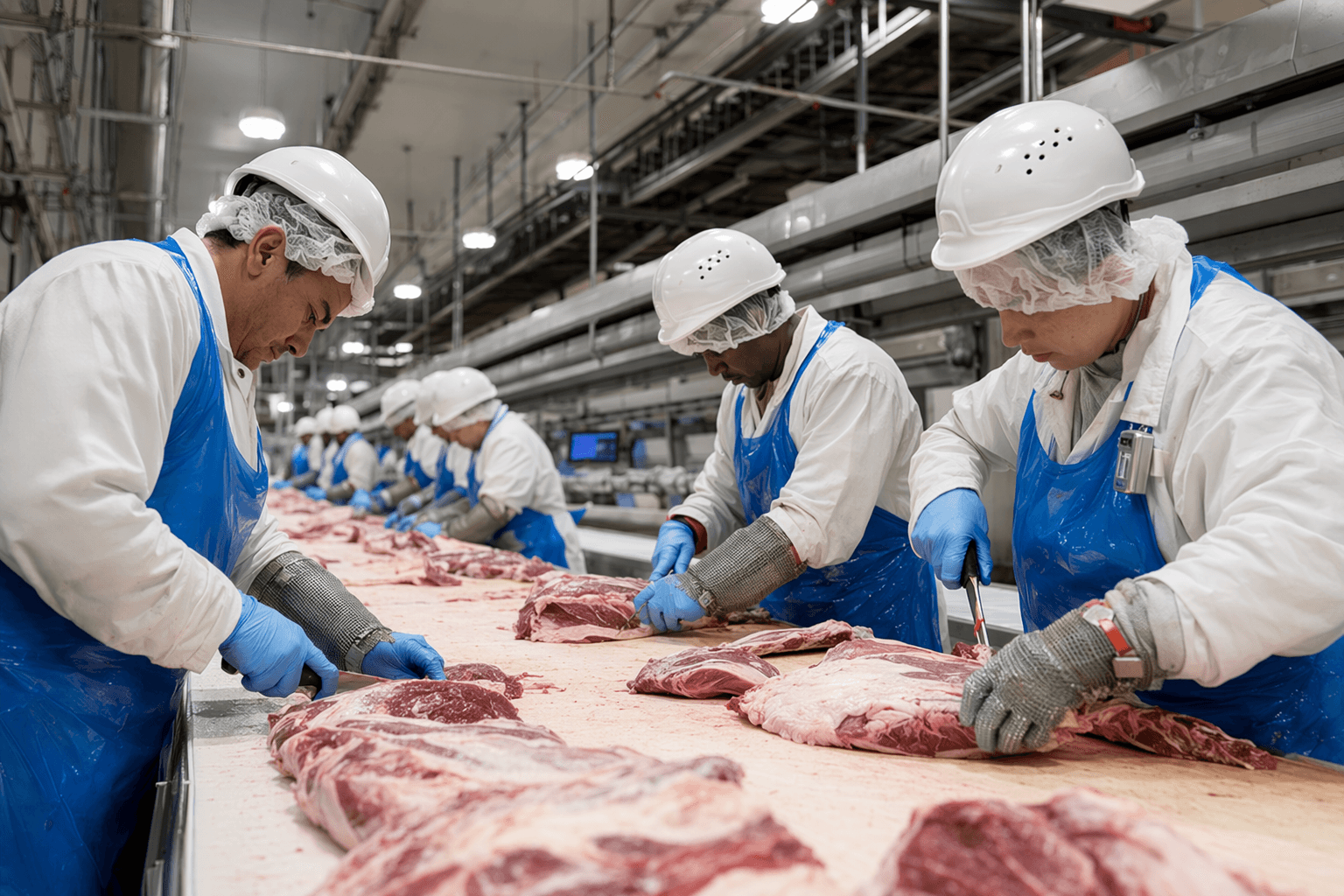
Agri Stats, which says it was founded in 1985 by Jim Cox and is based in Fort Wayne, Indiana, has denied wrongdoing and argued that its benchmarking helps industry participants make informed decisions using accurate user data. The company sits in the middle of a supply-chain information ecosystem that spans broiler chicken, pork and turkey processors, exactly the sectors where the Justice Department and state enforcers say competitively sensitive data can matter most.
The case had already moved deep into pretrial litigation. A federal judge in Minnesota denied Agri Stats’ motions to dismiss and transfer in May 2024, and Reuters-related reporting said the trial was postponed as settlement talks advanced in late April and early May 2026. No final terms had been filed as of May 4, 2026, so the immediate effect is still more signal than substance: the Justice Department is telling food markets that data-sharing practices can be treated as a live antitrust issue, not just an accounting tool.
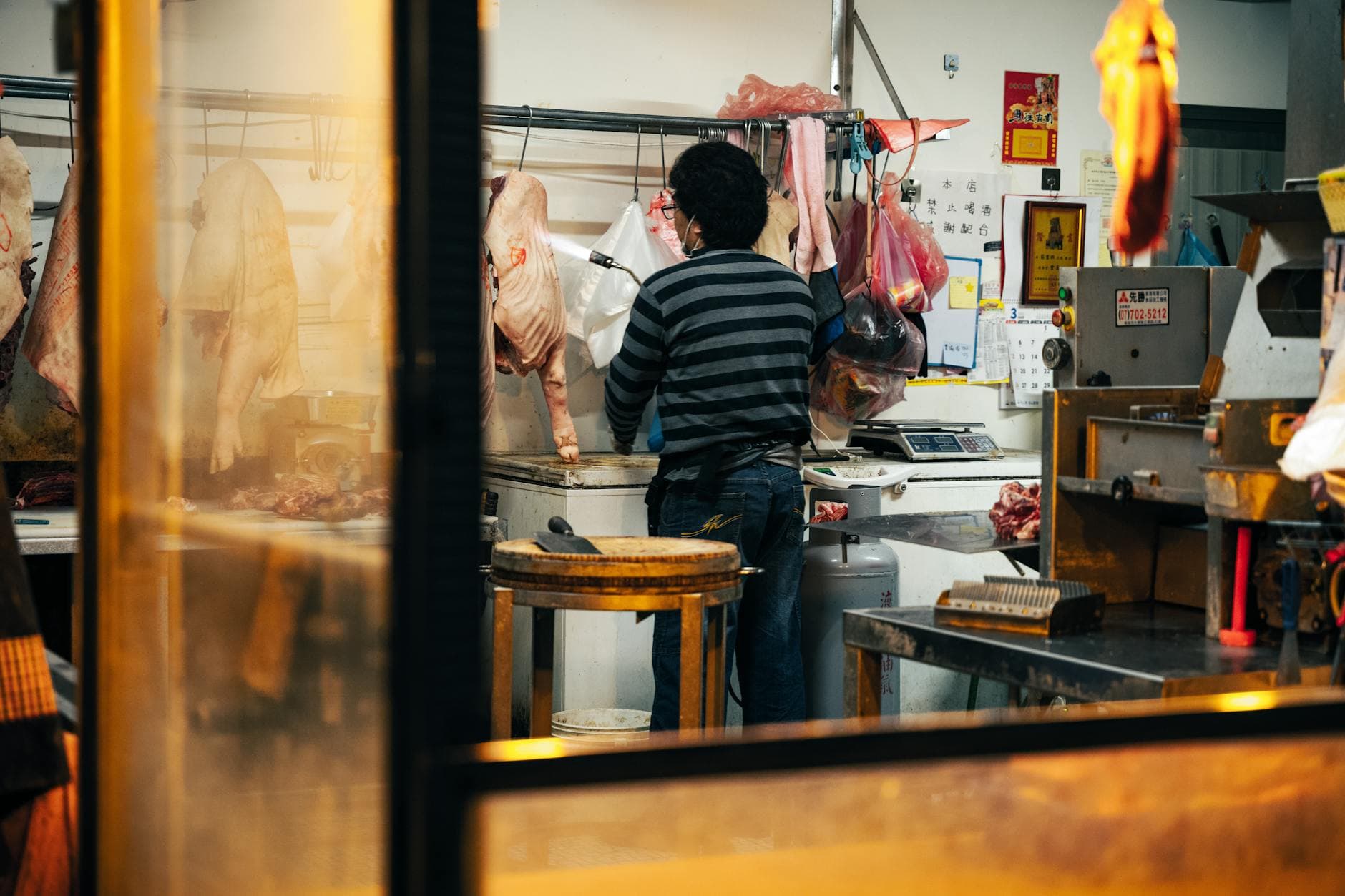
Whether the deal meaningfully lowers food prices will depend on what it actually changes inside the industry. USDA already tracks broad data on current and historical production, supply, utilization and farm prices for pork, beef, veal and poultry. The sharper question is whether a settlement can curb private benchmarking that allegedly gave processors an edge over farmers, buyers and consumers. If it does, the case could become a template for policing information flows in concentrated food markets.
This article was produced by Prism’s automated news system from verified source data, official records, and press releases, then run through automated quality and moderation checks before publishing. The system is built and supervised by the people who set the standards it runs under. Read our full AI policy.
Did this article answer your question?

%3Amax_bytes(150000)%3Astrip_icc()%2FCertificate-of-deposit-2301f2164ceb4e91b100cb92aa6f868a.jpg&w=1920&q=75)
