Britain detains sanctioned tanker suspected in Russia's shadow fleet
British forces seized the Cameroon-flagged Smyrtos in the Channel, the first UK-led detention of a suspected shadow-fleet tanker, as London tests a tougher line on Russian oil.
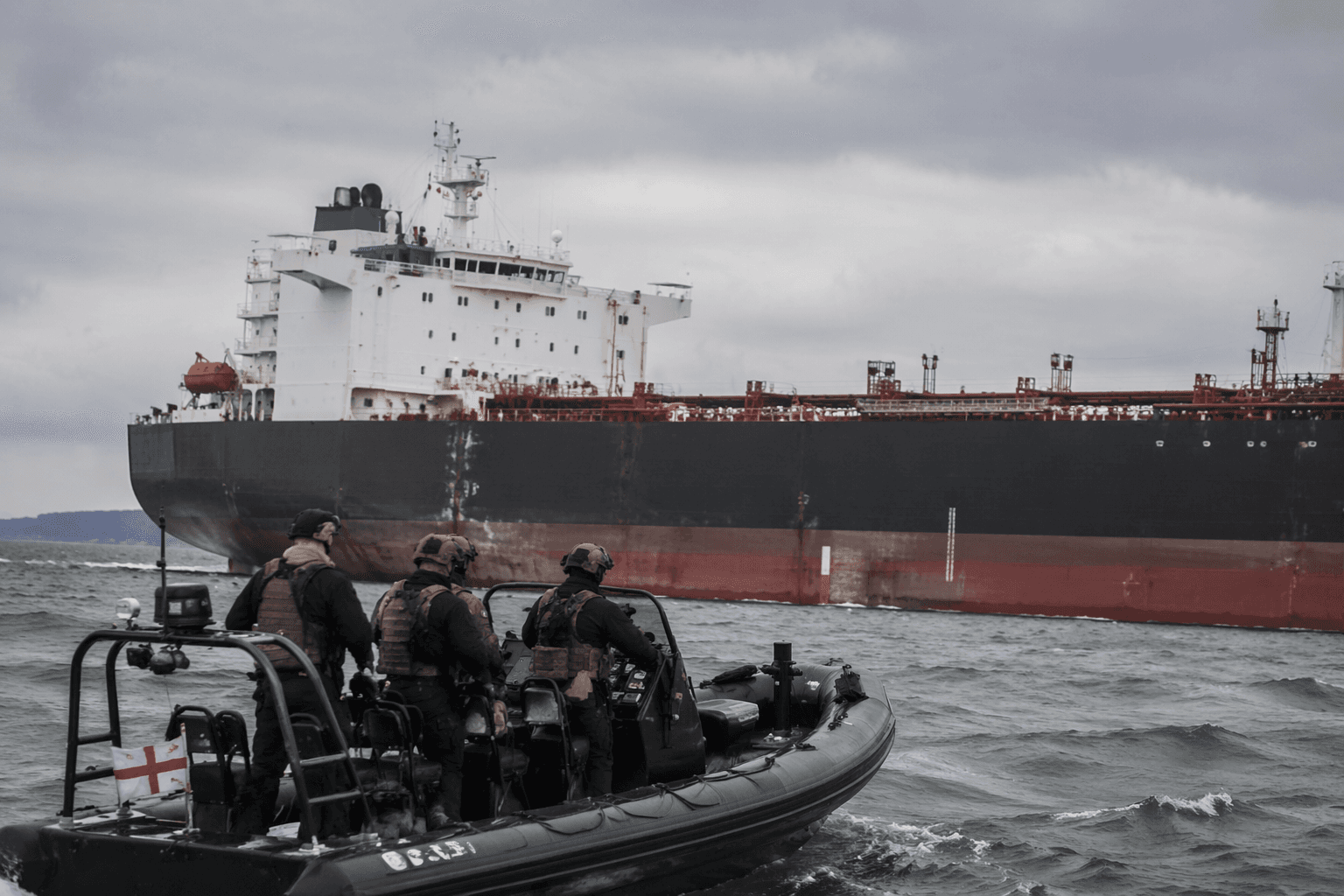
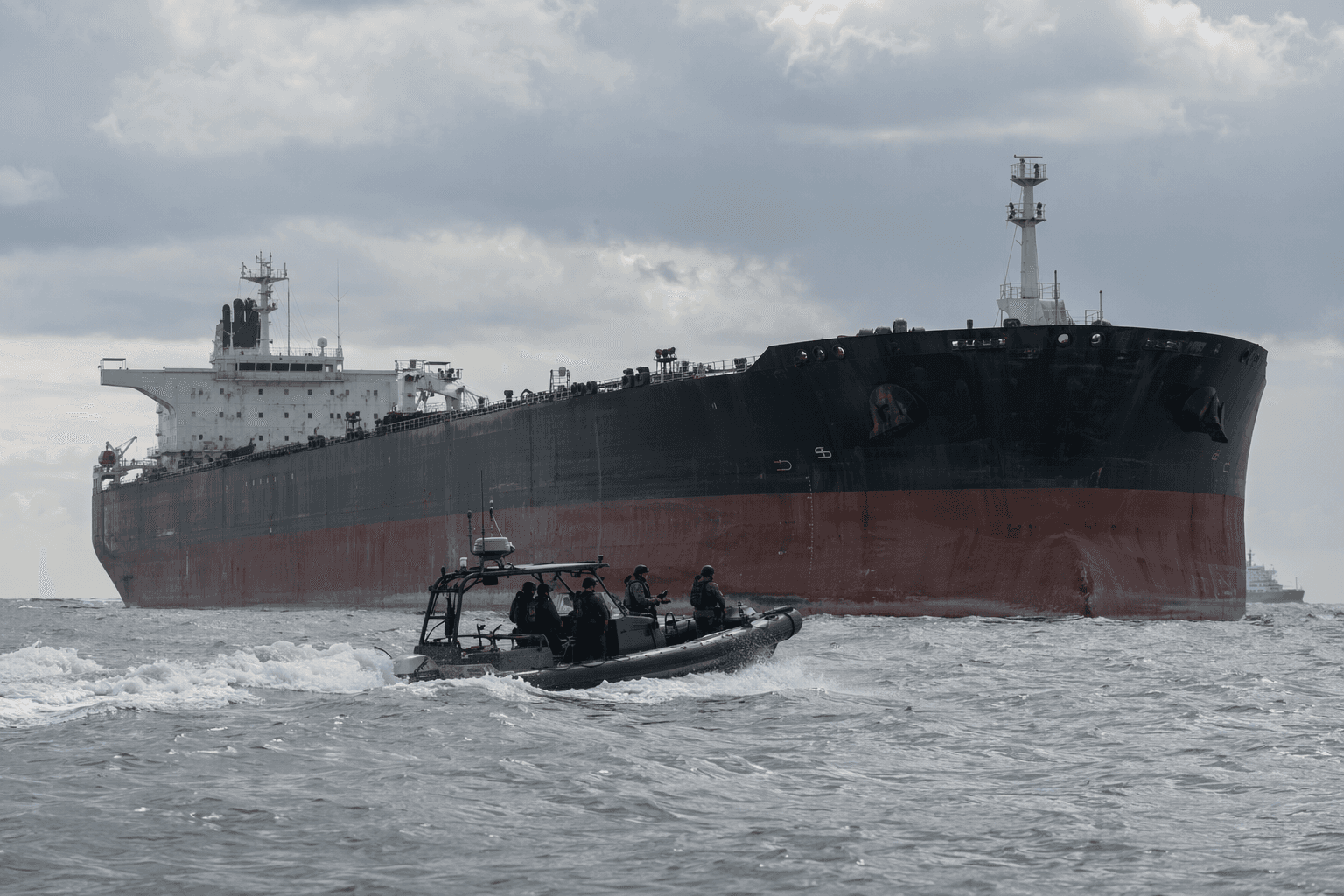
British armed forces boarded the sanctioned tanker Smyrtos in the English Channel on Sunday, June 14, in the first UK-led operation of its kind against a suspected Russian shadow-fleet vessel. Royal Marine Commandos and specially trained officers from the National Crime Agency took part in the six-hour boarding, and the ship is now being held and monitored off the south coast of England while investigators examine its route and ownership.
The detention puts a sharper edge on Britain’s effort to choke off the oil trade that still helps finance Moscow’s war economy. The tanker was sailing under the flag of Cameroon, one of the telltale features of the shadow fleet: older vessels that move under opaque ownership structures, switch flags or operate under false ones, and depend on gaps in insurance and enforcement to keep trading after sanctions hit.
That network has become central to Russia’s ability to keep exporting crude outside normal maritime oversight. Researchers estimate that nearly 1,000 tankers were involved in sanctions-evasion networks in 2025, about 17% of the global oil tanker fleet. Those shadow fleets may carry roughly 60% of Russia’s seaborne crude shipments, a scale that shows why a single seizure matters symbolically but will only dent flows if enforcement widens beyond one interception.
Britain has been preparing for that step. The government said it has sanctioned 544 Russian shadow fleet vessels, and in March 2026 it authorized armed forces to board and detain Russian-linked tankers in British waters. The Smyrtos case is the first visible test of that authority, turning policy into direct maritime action in a busy shipping lane where enforcement had often stopped at lists and designations.
The move also reflects a broader European crackdown. France, Belgium and Sweden have all moved to detain shadow-fleet vessels in recent months, as governments try to make it riskier for tanker owners, insurers and operators to keep Russian oil moving. If those actions become routine, they could force more cargoes back into supervised shipping channels, add cost to Moscow’s exports and create new pressure on the revenue stream that helps sustain the war. For now, the Smyrtos detention shows that Britain is no longer limiting itself to sanctions on paper. It is testing whether ships can be stopped at sea, and whether that can translate into real friction for Russia’s oil trade.
This article was produced by Prism’s automated news system from verified source data, official records, and press releases, then run through automated quality and moderation checks before publishing. The system is built and supervised by the people who set the standards it runs under. Read our full AI policy.
Know something we missed? Have a correction or additional information?
Submit a Tip