Trump says Iran deal near as Qatar mediates final talks
Trump said a Iran deal would be signed Sunday, but Tehran answered with a “wait and see,” even as Qatar rushed negotiators to Tehran.
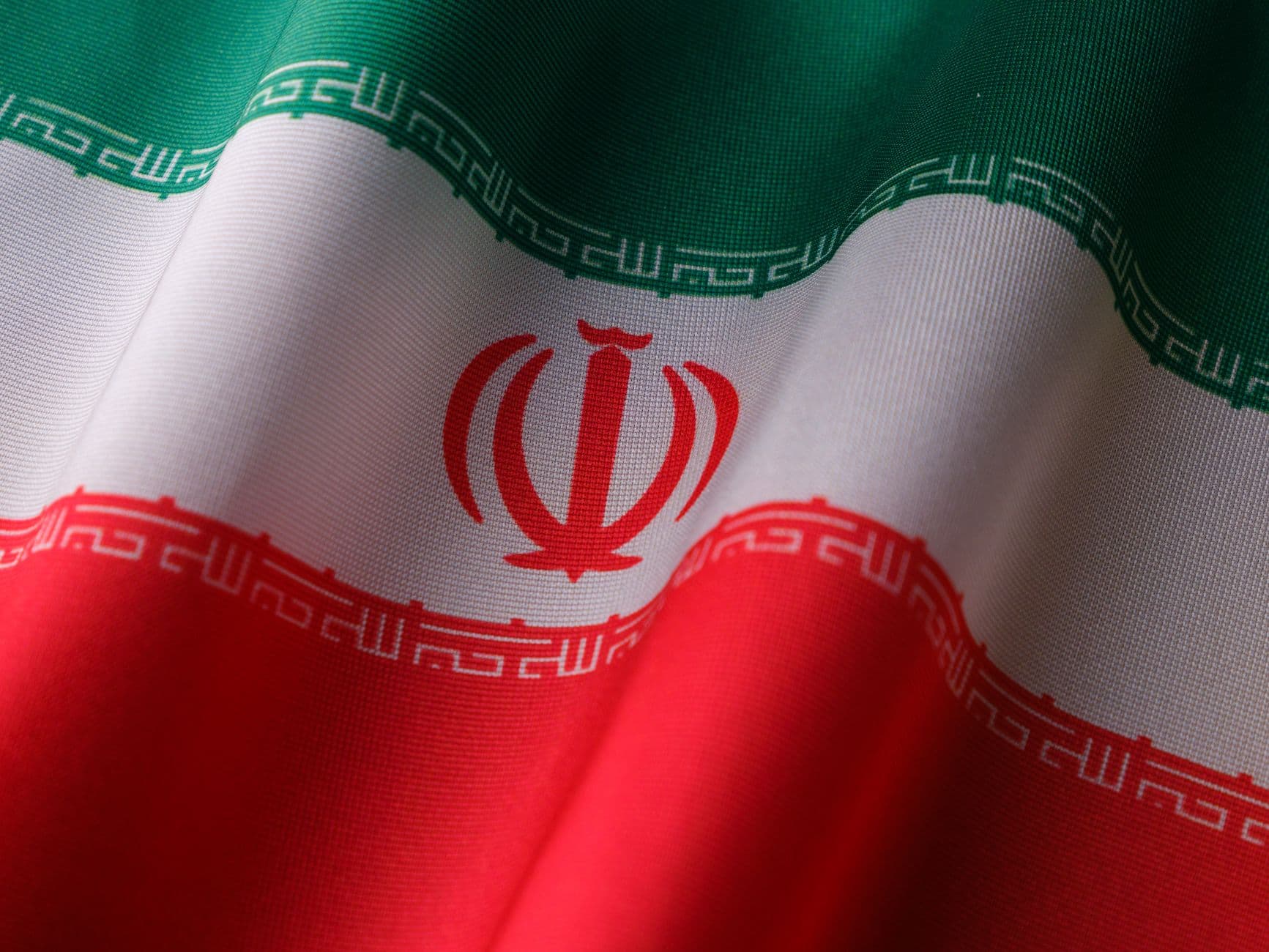
President Donald Trump said a deal with Iran would be signed on Sunday, but Tehran’s refusal to confirm the timing left the talks in a credibility gap. Iranian officials have taken a “wait and see” approach, while Pakistani mediators say the agreement could come together within 24 hours, setting up a last stretch of diplomacy after months of war.
Trump said the deal would reopen the Strait of Hormuz immediately after signing and would stop Iran from getting a nuclear weapon. But the remaining questions are still the hardest ones: how any agreement would be verified, how sanctions relief would be handled, whether proxy activity would be curbed and what nuclear limits Iran would accept. For now, Iranian officials have not signed off on a Sunday deal, and the final decision has not been made.
The pressure for a breakthrough comes after Trump announced “major combat operations” against Iran on Feb. 28, when U.S. and Israeli forces carried out massive joint strikes. The attacks targeted military, government and infrastructure sites in Iran. Trump said the campaign was meant to defend Americans by eliminating what he described as imminent threats from the Iranian regime. The operation was later identified in reporting as Operation Epic Fury.
The current push also follows a two-week ceasefire, failed U.S.-Iran talks in Pakistan in April and Trump’s decision to extend the ceasefire while continuing a U.S. blockade until negotiations are concluded. Pakistani Prime Minister Shehbaz Sharif said the peace deal could be finalized “in the next 24 hours,” and other mediators described it as “closer than ever,” but those claims have not yet been matched by an Iranian confirmation.
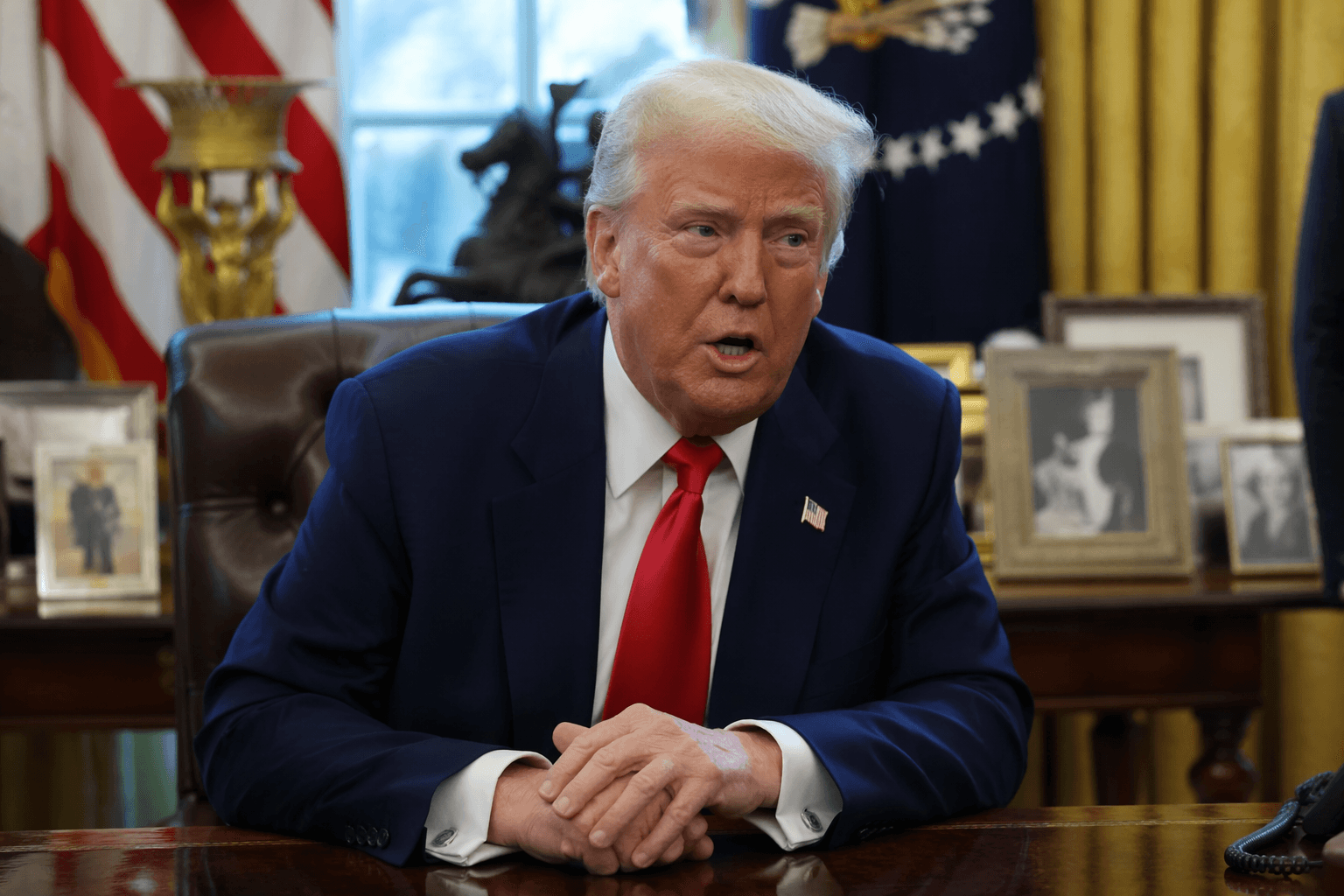
Qatari negotiators flew to Tehran early on June 14 to help finalize the agreement, underscoring Qatar’s role as the intermediary most visibly trying to bridge the gap between the two sides. The talks have now moved into a narrow window where one signed document could reopen a critical waterway, or another delay could leave the region stuck between ceasefire and renewed escalation.
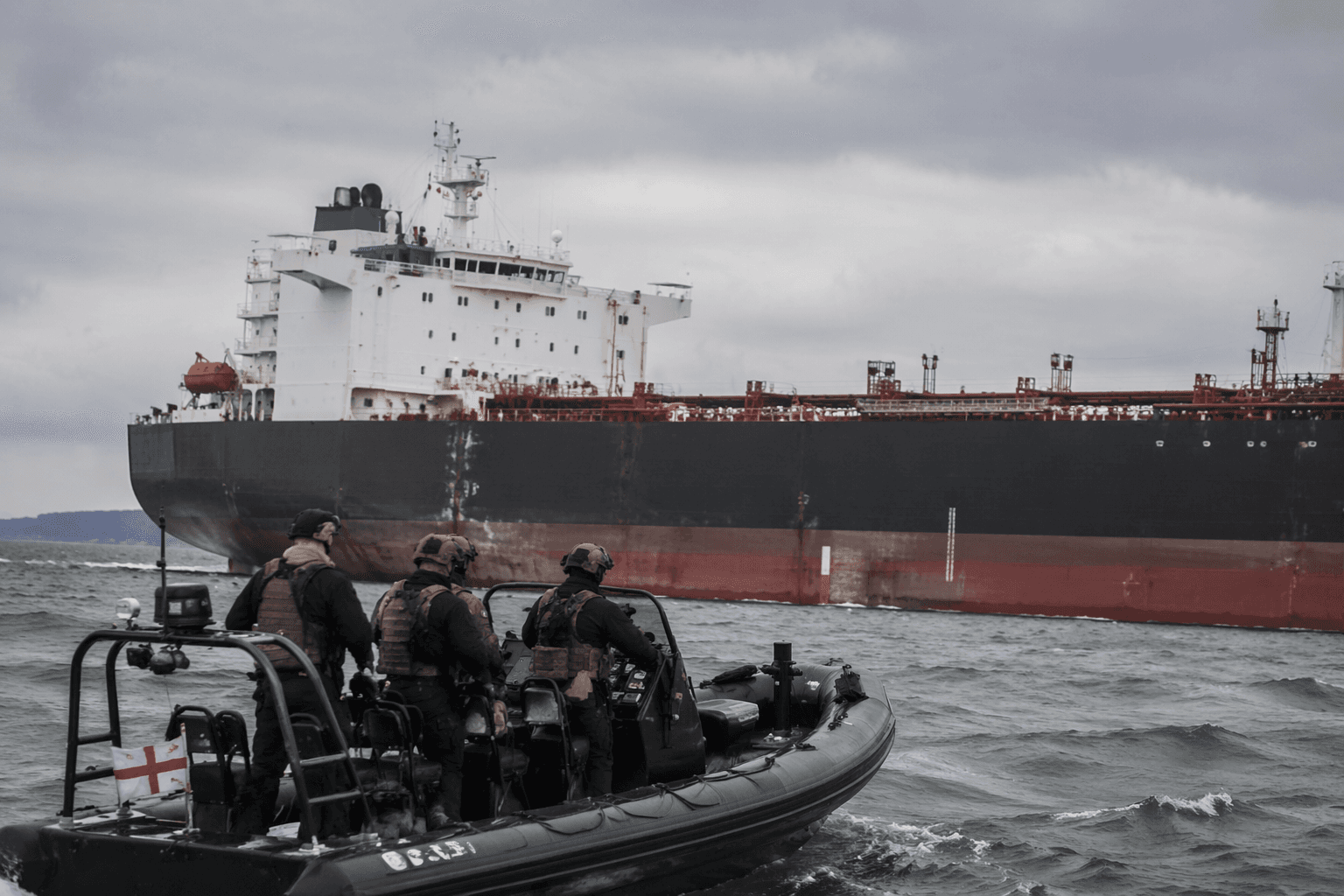
The stakes extend far beyond the negotiating table. The Strait of Hormuz is a vital chokepoint for global shipping and energy flows, and any deal that changes its status would have immediate implications for regional trade, oil markets and security across the Gulf.
This article was produced by Prism’s automated news system from verified source data, official records, and press releases, then run through automated quality and moderation checks before publishing. The system is built and supervised by the people who set the standards it runs under. Read our full AI policy.
Know something we missed? Have a correction or additional information?
Submit a Tip