Britain gets Japan's favipiravir to bolster hantavirus outbreak response
Britain has taken delivery of favipiravir from Japan as a hedge against confirmed hantavirus cases, even as WHO says the wider public risk remains low.
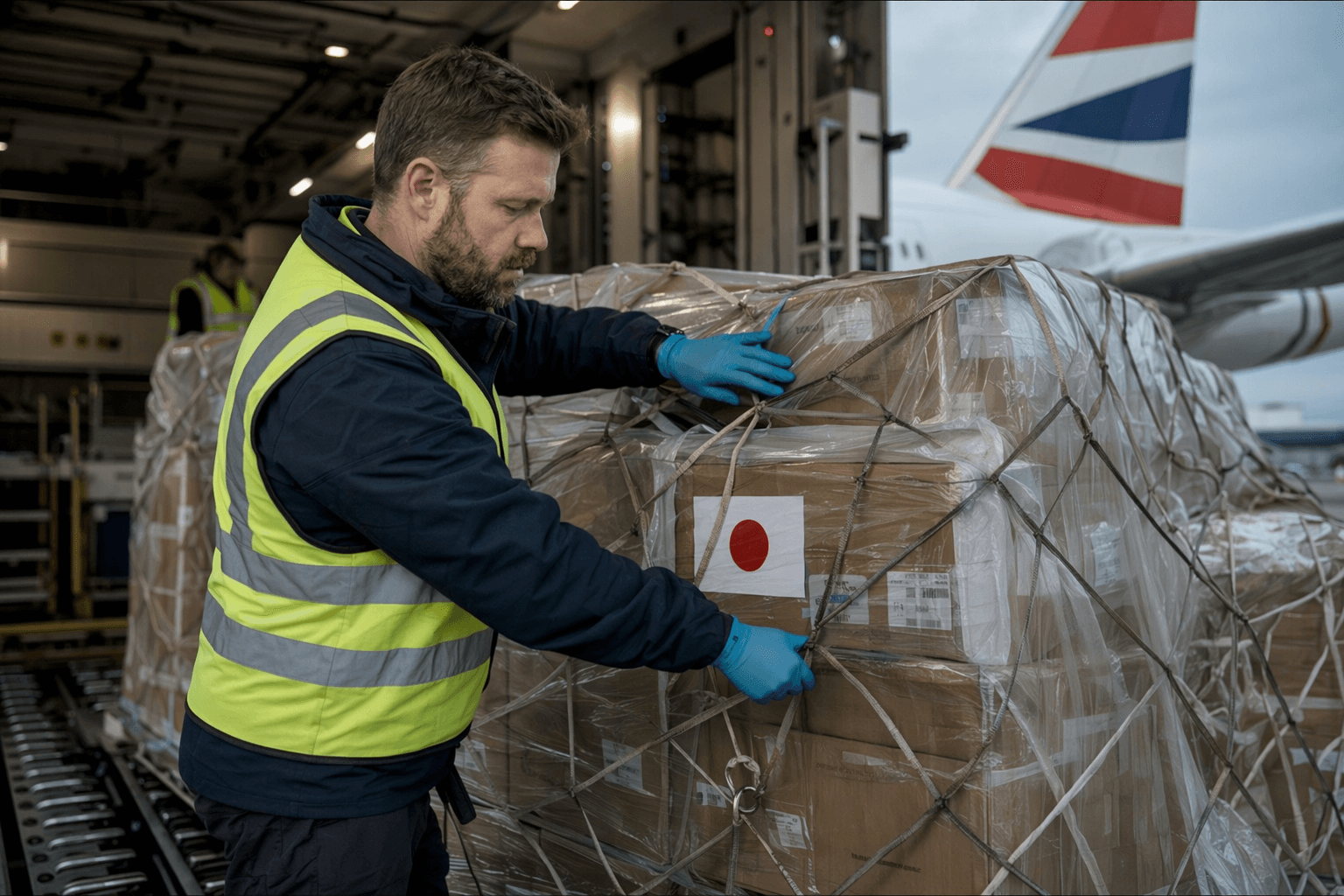
Britain has taken delivery of the experimental antiviral favipiravir from Japan, adding a reserve of treatment supplies as officials weigh how to respond to a hantavirus outbreak that has already caused three deaths. The move is meant to strengthen readiness if more cases are confirmed in the United Kingdom, while the UK Health Security Agency says the risk of wider transmission in Britain remains very low.
The shipment arrived over the weekend before May 18 and was folded into a wider public health response built around the cruise ship outbreak linked to the Dutch-flagged MV Hondius. The World Health Organization said 11 cases had been reported by May 13, including eight laboratory-confirmed Andes virus infections, two probable cases and one inconclusive result. Passengers from 23 countries were on board when the outbreak was first notified on May 2, underscoring how quickly a single exposure can become a multinational public health problem.
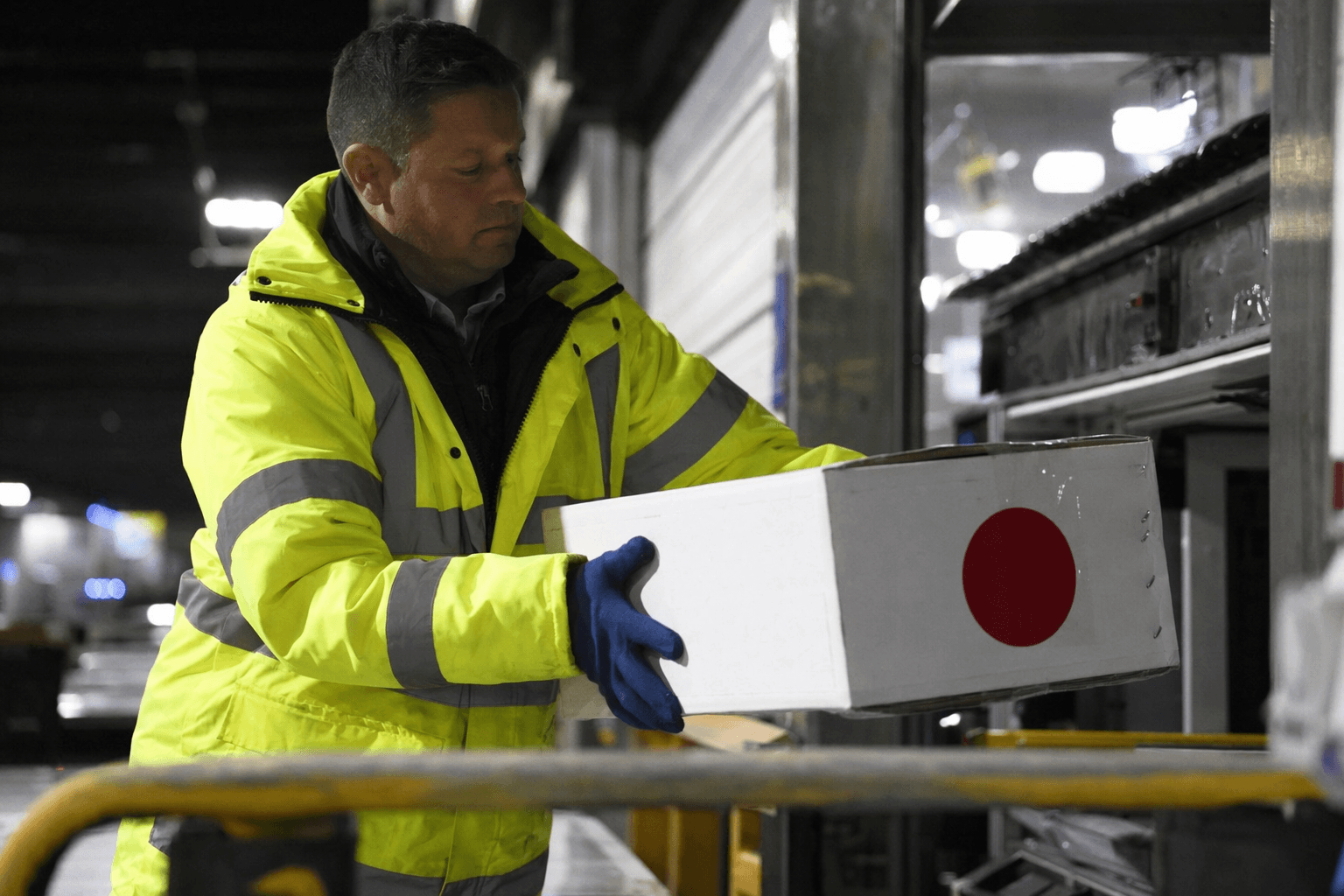
UK officials have framed the Japanese supply as part of a long-running health partnership. The favipiravir doses were accepted under a memorandum of cooperation between Japan’s Ministry of Health, Labour and Welfare and the UK Health Security Agency. Sharon Hodgson thanked Japan for supplying the medicine, while Chris Lewis, UKHSA’s director of global health protection, said the collaboration showed the value of international partnerships in detecting, preventing and responding to global health threats.
The decision also reflects the uneasy calculus governments face during emerging outbreaks: act early, or wait for stronger evidence and risk being too late. Favipiravir is being used experimentally for hantavirus, but the evidence base remains thin, limited to laboratory and animal studies, with no established routine clinical protocol for hantavirus disease. That makes the drug less a proven answer than a preparedness tool, one that may buy time if UK cases emerge.
Officials have been trying to contain the outbreak without overreacting to it. On May 6, Foreign Secretary Yvette Cooper said the UK response was being led by UKHSA with the WHO, and that British nationals on the MV Hondius were being helped home safely. UKHSA confirmed on May 17 that nine asymptomatic contacts from St Helena and Ascension Island were expected to arrive in the UK to complete self-isolation and be monitored at Arrowe Park. The careful balance is clear: protect exposed passengers, preserve public confidence and keep treatment options ready, while the virus remains, for now, a limited and closely watched threat.
Know something we missed? Have a correction or additional information?
Submit a Tip