Bulgaria Holds Eighth Election in Five Years Amid Deep Political Crisis
Bulgarians voted in their eighth election in five years as corruption fatigue, euro-area entry and fears of meddling deepened the stakes for Europe.
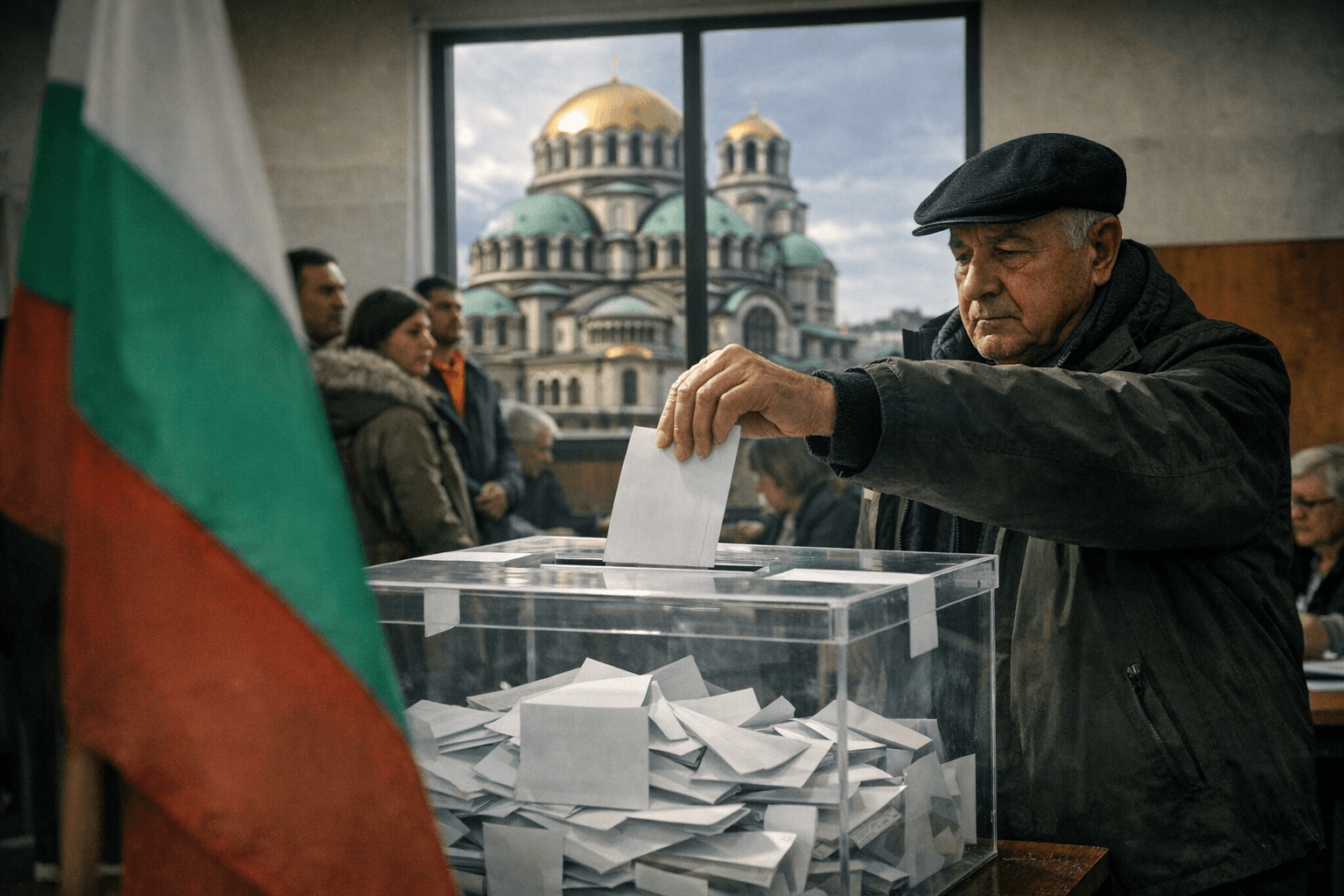
Bulgarians went back to the polls on Saturday in an eighth election in five years, a stark measure of how thoroughly political paralysis has taken hold in the Black Sea country. For the European Union and NATO, the stakes reach well beyond Sofia: repeated deadlock in a frontline member state now tests alliance cohesion, energy policy and the credibility of democratic politics in Eastern Europe.
The cycle of instability began in 2021, after mass anti-corruption protests helped drive longtime leader Boyko Borissov from office. Since then, snap elections have repeatedly failed to produce durable governments. The most recent parliamentary vote, on October 27, 2024, drew a turnout of just 38.94 percent, and no party secured the 121 seats needed for a majority in the 240-seat National Assembly. A coalition led by Rosen Zhelyazkov was approved on January 16, 2025, with support from GERB, the Bulgarian Socialist Party and ITN, but it resigned on December 11, 2025 after weeks of nationwide protests over corruption allegations and a disputed budget plan.
The fragility of the system was laid bare again when the Constitutional Court invalidated the mandates of 16 MPs elected in the October 2024 vote. That ruling fed wider doubts about election integrity and the durability of institutions meant to arbitrate political conflict. In the run-up to Saturday’s ballot, authorities detained more than 200 people in a crackdown on vote-buying and coercion, while the government created a temporary unit to respond to foreign interference.
The political field entering the vote reflected deep public anger at the old parties and a search for something that looks new. Former president Rumen Radev stepped down on January 23, 2026, then launched the centre-left Progressive Bulgaria, which campaigned on anti-corruption and a promise to end what he calls an oligarchic model. Opinion polls suggested the party could win about 30 percent to 35 percent of the vote, with Borissov’s GERB around 20 percent and PP-DB further behind.
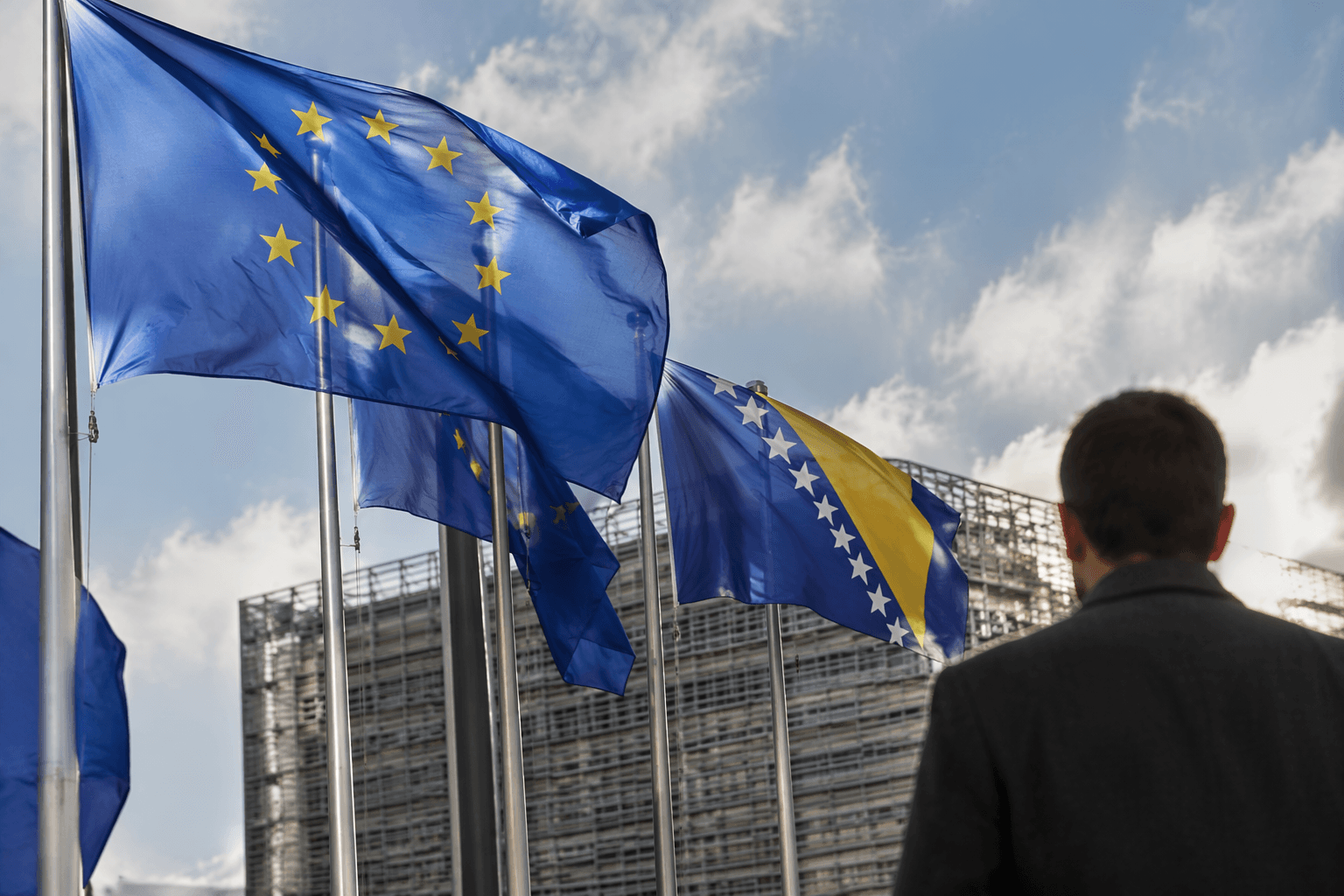
The election also landed at a turning point in Bulgaria’s relationship with Europe. The country joined the euro area on January 1, 2026, with the lev fixed at 1.95583 per euro, making the next government responsible not just for domestic stability but for how Bulgaria manages its place inside the eurozone. After years of breakdowns, the broader question for Sofia, Brussels and other capitals was whether Bulgaria’s voter frustration had become a permanent verdict on the limits of European integration’s promise.
This article was produced by Prism’s automated news system from verified source data, official records, and press releases, then run through automated quality and moderation checks before publishing. The system is built and supervised by the people who set the standards it runs under. Read our full AI policy.
Did this article answer your question?