Buying Your First Cruising Catamaran: Practical Steps and Tradeoffs
Buying your first cruising catamaran means prioritizing mission, budget, and maintenance tradeoffs; this guide gives clear steps to reduce surprises and keep costs manageable.
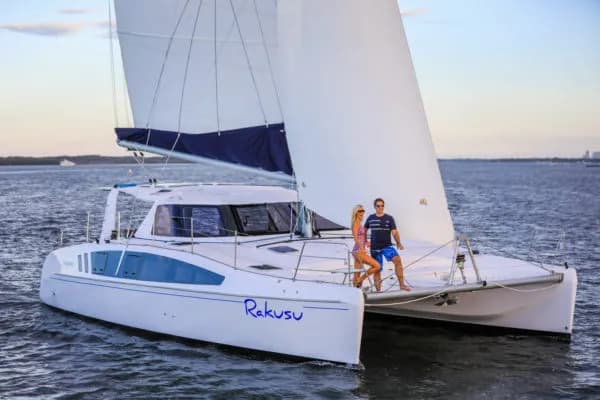
Choosing a first cruising catamaran starts with a single question: what will you actually do on board? Define your mission first, weekend hops, coastal cruising, full-time liveaboard, or passagemaking. That decision drives choices on size, tankage, systems, and whether you need a platform built for performance or comfort. Foundational buying criteria change slowly and remain useful to newcomers, so clarity up front saves money and time.
Next, set a realistic budget that separates purchase price from ongoing operating costs. Consider slip or mooring fees, insurance, haul-outs, cushions and canvas, and systems maintenance. Two hulls means two engines, two rudders, and twice the seacock checks; engine redundancy improves safety but raises service bills. Simplicity buys reliability; complicated electrical, hydraulic or high-tech sail systems add capability at the cost of more specialized repairs.
Decide new versus used based on tolerance for modification and downtime. New boats carry warranties and the latest materials, but lose value quickly and often come with long lead times. Used boats can offer better value per foot but require a meticulous survey and realistic upgrade budgeting. A professional pre-purchase survey and a thorough sea trial are essential. Put priority on structural soundness, bulkhead integrity, delamination, and bridge deck clearance - low clearance increases the risk of slamming in waves and affects liveability underway.
Hull and deck layout matter more than styling. Look for practical deck walkways, cockpit drainage, and an accessible engine room. Consider galley layout and provisioning capacity if you plan long passages. Tankage for water and fuel should match your mission; smaller tanks reduce displacement but increase dependency on marinas or watermakers.
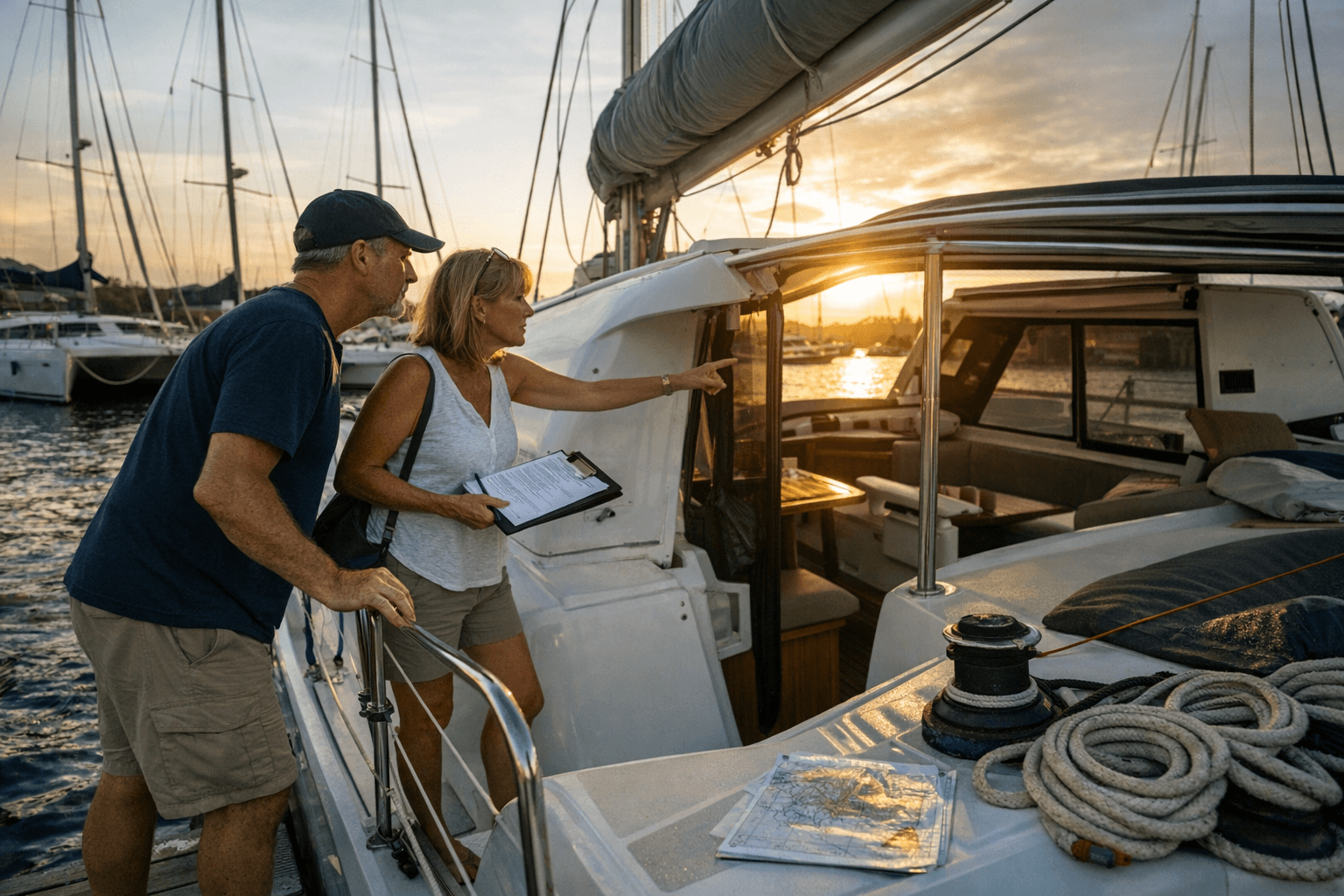
Understand the tradeoff between beam and marina costs. Wider cats offer more living space but attract higher berthing fees and may limit slip availability. Draft and keel type affect access to shallow anchorages; lifting keels or daggerboards increase versatility but add complexity.
Crew model affects systems and ergonomics. If you will be owner-operator, prioritize simple handling systems, electric winches that reduce physical strain, and clear sightlines for docking. If you plan to sail with professional crew or frequent guests, invest in creature comforts and redundant systems.
Finally, build community into the plan. Talk to brokers, surveyors, and owners at local clubs and docks. Plan training for handling and systems maintenance before any extended cruise. Buying a cruising catamaran is a series of tradeoffs; be deliberate about which compromises you accept. Clarify your mission, budget for the lifecycle costs, and test everything under way so you spend time enjoying two hulls rather than fixing them.
Know something we missed? Have a correction or additional information?
Submit a Tip