California governor candidates clash over housing affordability in primary debate
California homes now cost about $775,000 at the mid-tier level, forcing governor candidates to prove who can actually cut the bottlenecks behind the crisis.
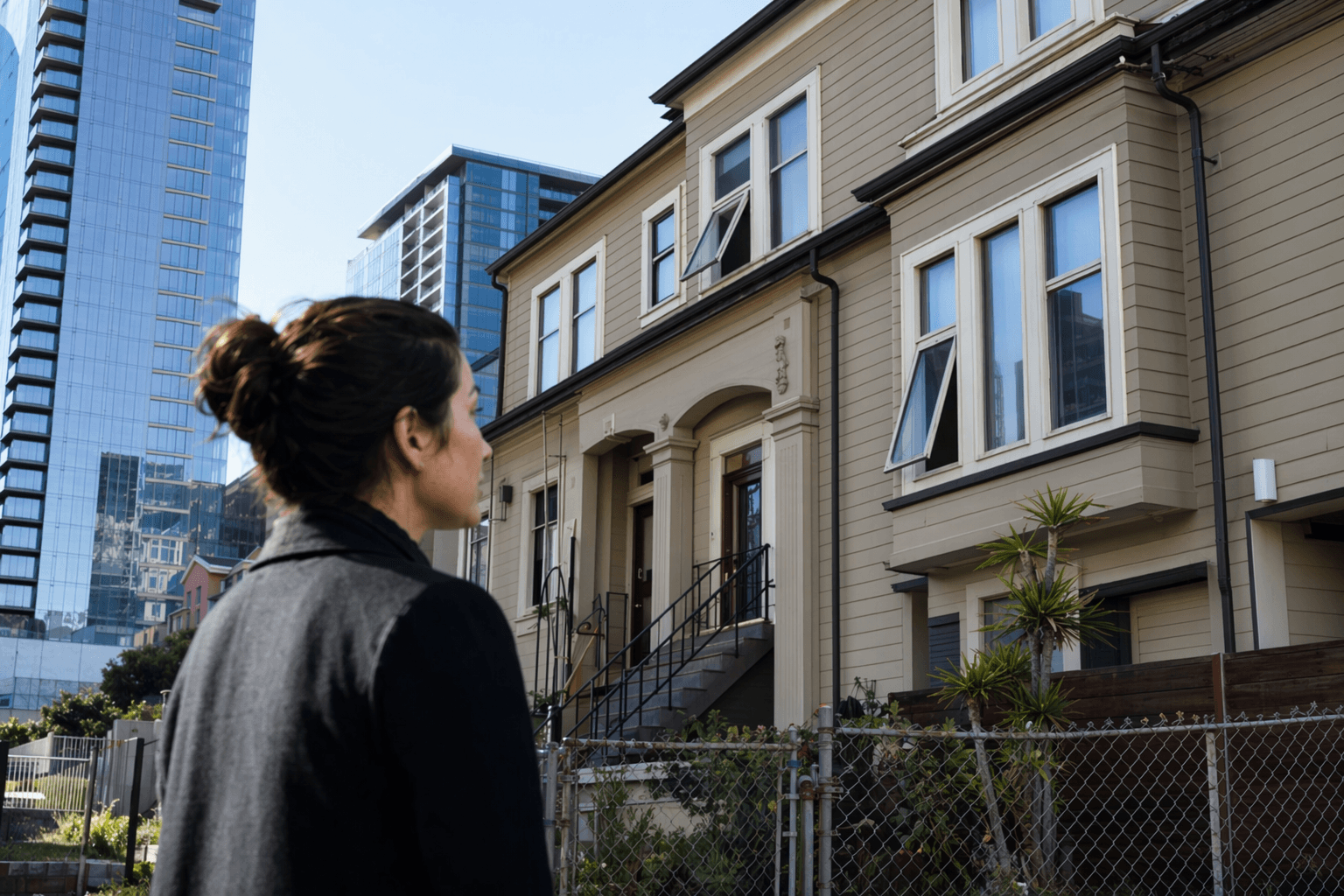
Housing affordability became the clearest test in California’s crowded governor’s race, where Republican Chad Bianco and Democrats Tom Steyer and Xavier Becerra are among the candidates trying to break through under the state’s top-two primary system. With only two finishers advancing to the November general election, the debate over who can make housing cheaper has become central to whether candidates can connect with voters facing some of the nation’s steepest costs.
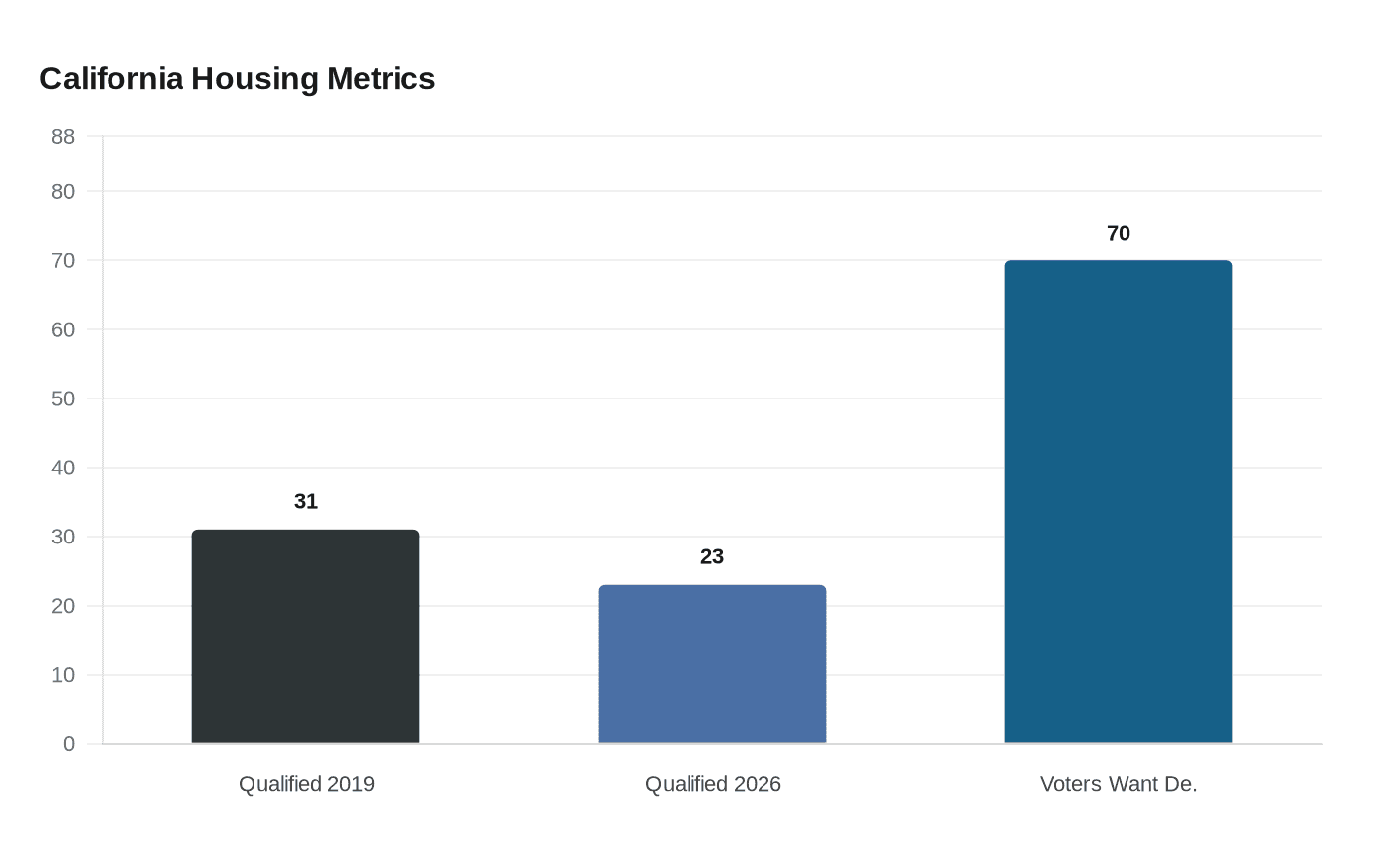
The state’s affordability numbers set a punishing benchmark. The California Legislative Analyst’s Office said in April that mid-tier homes cost about $775,000, more than twice the price of the typical mid-tier U.S. home. It also said only about 23% of California households would likely qualify for a mid-tier home mortgage in 2026, down from about 31% in 2019. Prices surged rapidly from 2020 to 2022 and have since been relatively stable, but incomes have not kept pace, leaving affordability worse even after the price spike eased.
That reality has pushed housing to the center of the campaign calendar. Housing California, backed by 29 organizations, released candidate responses on housing affordability and homelessness on April 1, and the group has said the next governor will play a key role in shaping the state response. The Public Policy Institute of California found in February that about seven in 10 likely voters wanted town halls and debates with gubernatorial candidates, and that affordability positions were very important in deciding votes.
The implementation test is now unavoidable. California housing planners say the state must plan for more than 2.5 million homes over the next eight years, including at least one million affordable to lower-income households, as part of a goal to build 2.5 million homes by 2030. The state housing plan says the crisis is decades in the making, and the policy divide remains familiar: some candidates are pressing for more housing production and fewer regulations, while others are leaning on renter protections and stronger state intervention. In earlier forums, contenders floated down-payment help, using surplus school district property for housing, and broader regulatory reform. For California’s highest-cost markets, from Los Angeles to the San Francisco Bay Area, the question is no longer whether housing must get cheaper. It is which candidate can confront zoning, permitting, construction costs, insurance and local opposition well enough to make that happen.
This article was produced by Prism’s automated news system from verified source data, official records, and press releases, then run through automated quality and moderation checks before publishing. The system is built and supervised by the people who set the standards it runs under. Read our full AI policy.
Did this article answer your question?

