California guide clarifies meal and rest break rights for fast-food workers
A January 30, 2026 guide lays out California meal and rest break rules for hospitality and fast-food workers, clarifying timing, pay, exemptions, penalties and employer steps to comply.
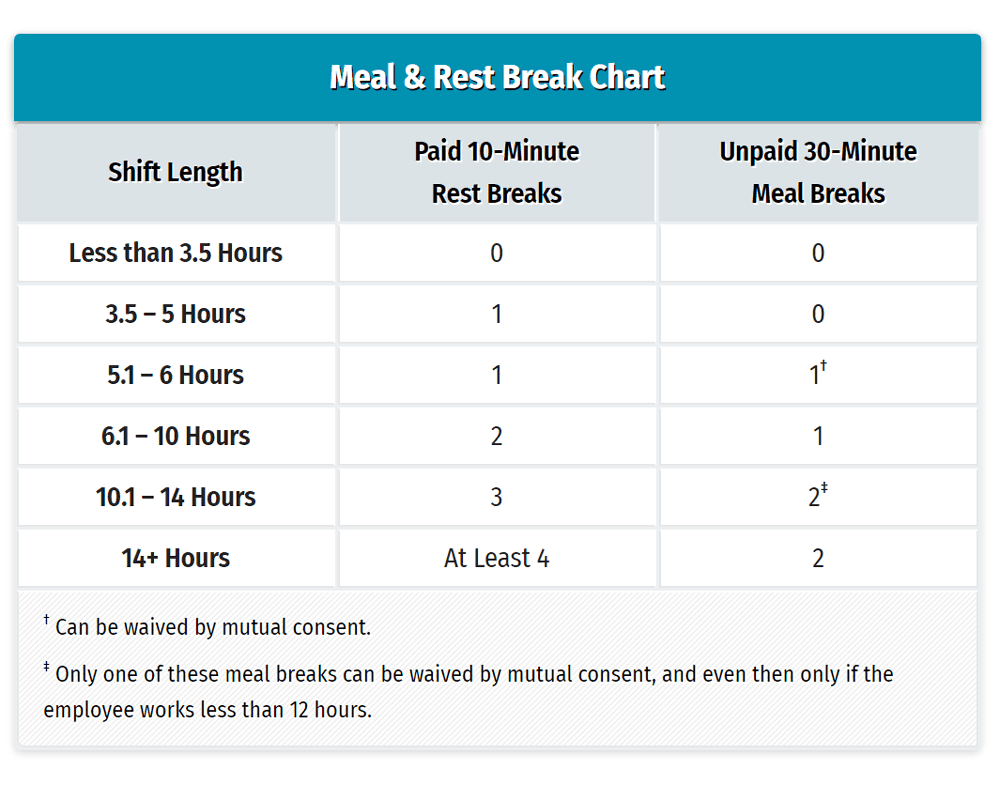
Hourly fast-food workers in California must receive timed, duty-free breaks: a 30-minute unpaid meal period for shifts over five hours and paid 10-minute rest breaks for every four hours or major fraction thereof. Those rules govern when breaks must be offered, what counts as an on-duty exception, and what employers should do to avoid costly penalties.
The basic timing is straightforward. Nonexempt employees must get a 30-minute, uninterrupted meal break by the end of the fifth hour of work. Parkerminne gives a concrete example: an employee who starts at 8:00 a.m. must be offered a first meal break no later than 12:59 p.m. Workers who put in more than ten hours may be entitled to a second meal break, which must be taken before the end of the tenth hour. Rest breaks are shorter but paid: most nonexempt employees are entitled to a paid 10-minute rest break for every four hours or major fraction of work, and these breaks should, when possible, fall near the middle of each four-hour period.
The distinction between off-duty and on-duty meal periods matters. Off-duty meal breaks are unpaid provided the employer relieves the employee of all duties, relinquishes control over the employee’s time, and does not impede or discourage the break. If workers are required to remain on site or be available, the meal period becomes an on-duty meal and must be paid; Parkerminne calls that a narrow exception that typically requires the employee’s written agreement and a suitable place to take the break. OnShift notes there are no exceptions allowing on-duty rest periods: “Unlike meal breaks, there are no exceptions to this rule and so-called ‘on duty’ rest periods are prohibited by California law.”
Who is covered and who is not is also spelled out. These rules generally apply to nonexempt, hourly employees. Geonetta & Frucht point out that exempt categories can include salespeople, construction workers, security officers, electrical engineers, motion picture film crew members and commercial truck drivers, while ClassLawGroup lists certain executives, computer employees, administrative workers and medical and legal professionals as examples of exempt classes. Exempt employees may still receive breaks under company policy, and Geonetta & Frucht advise contacting an employment and labor attorney for clarification.

Remedies for missed or interrupted breaks vary in the guidance. Worksana states that “If breaks are not provided, employees must be compensated with one hour of premium pay at their regular rate, not calculated against overtime. This penalty, also known as a ‘premium,’ applies if breaks are interrupted and not duty-free.” ClassLawGroup sets out a different formulation, saying workers “may be entitled to 1.5x their regular rate of pay for the rest-break time they should have been provided” and notes that overtime and time-and-a-half rules can apply. Because advisory sources differ, workers and managers should seek definitive clarification from the Department of Industrial Relations or counsel.
Employers can reduce risk by tracking breaks, educating staff and acting to correct problems. Worksana recommends a three-step approach - Educate, Act, and Track - and suggests concrete policies such as an Employee Bill of Rights and arbitration agreements. For workers seeking help, resources include Worksana at 805-225-1655, Geonetta & Frucht at 510-250-2743 or 415-237-1212 (additional numbers 510-254-3777 and 415-433-4589), and employment law firms offering “Talk to a lawyer, free.”
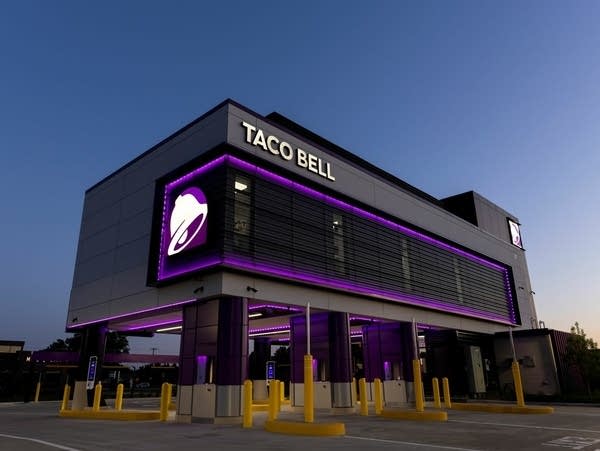
For Taco Bell crew members and other fast-food employees, the rules mean you should punch in and out accurately, document missed or interrupted breaks, and raise concerns with managers or a labor attorney if you are forced to work through meal or rest periods. Expect employers to tighten schedules and tracking to avoid premiums and potential litigation, and watch for clarifications from state labor authorities or court decisions that could resolve differences in penalty calculations.
Know something we missed? Have a correction or additional information?
Submit a Tip