Taco Bell Staff Reveal Five Key Secrets They Cannot Share With Customers
Five daily communication rules Taco Bell crew follow are actually compliance guardrails; most managers never explain the legal and safety stakes behind them.
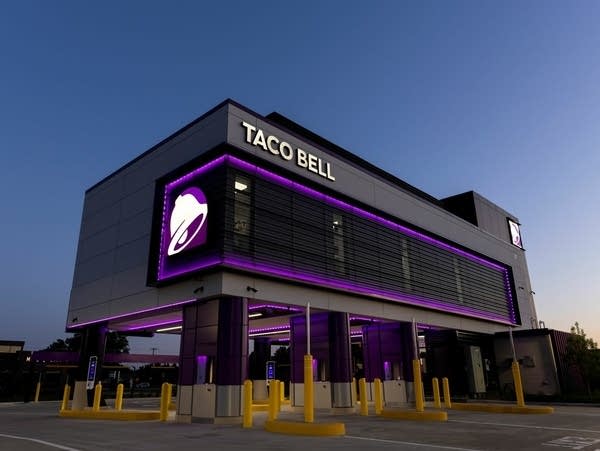
Walk into any Taco Bell and the person at the register is navigating a quiet balancing act: be warm and helpful to every customer while staying inside a set of communication boundaries that corporate, franchise operators, and the law all have a stake in. A recent consumer-facing report drew attention to five categories of information that current and former Taco Bell employees say they are trained not to share with guests. For crew members and shift leads, those five categories are not curiosities or corporate gatekeeping. They are the architecture of daily risk management. Here is what each one actually means on shift, why it exists, and what to say when a customer pushes back.
What Goes Into the Food
Taco Bell's prep procedures are among the most precisely engineered in quick service, and employees are trained not to narrate them at the counter. Beans are not scooped from a can; they arrive in dry storage and are rehydrated to specification each day. Ground beef is seasoned and weighed to exact tolerances, and former managers have confirmed that if a build lands more than roughly a third of an ounce outside the standard weight, it gets remade. Every new team member completes training that requires them to memorize the ingredient weights for every menu item.
The reason employees do not volunteer this information is not shame about the process. It is brand consistency and, more critically, allergen liability. A crew member who improvises an explanation of the beef seasoning blend or the bean prep sequence creates unpredictable customer expectations and, in the case of allergen questions, a potential legal exposure if the verbal description contradicts the official allergen guide. The correct on-shift language is clean and specific: direct any allergen or ingredient question to Taco Bell's published nutrition and allergen tool, available on the app and website, and escalate immediately to the shift lead if a guest discloses a severe allergy. Do not confirm, deny, or estimate.
Internal Inventory Shortages
When a menu item runs out mid-shift, the instinct for a crew member who wants to be helpful is to explain exactly what happened: the truck was late, the supplier had an issue, corporate did not forecast the weekend rush. That impulse, however well intentioned, creates two problems. First, it introduces operational detail that can generate customer complaints at a chain level if it spreads on social media. Second, and more practically, it can set off a wave of substitution demands that slow the entire line.
The trained response is a short, factual, apologetic statement that offers an alternative and nothing more. Managers should post a laminated escalation note near the register for high-frequency situations where items are unavailable. A phrase like "We're out of that item today, but I'd love to help you find something similar" resolves the interaction without inviting a negotiation about supply chains. If a customer escalates past that, it is a shift lead conversation, not a crew conversation.
Promising Refunds or Compensation Without Manager Approval
This is the boundary most commonly crossed under pressure, and it carries the highest direct financial and legal risk for the store. An employee who tells a customer "I'll take care of that for you" without manager sign-off is making a commitment the store may not be able to honor consistently, which creates liability exposure and opens the door to manipulation by customers who learn the phrasing that triggers a free item. Inconsistent compensation decisions also create internal equity problems: crew members see different managers responding differently to the same complaint, which erodes trust in the system.
The policy is clear across corporate and franchise operations: no refund, price override, or complimentary item is authorized without manager or shift lead approval. Crew-level scripting should be direct and confident: "I want to make sure we get this right for you. Let me grab my manager." That language protects the employee, sets the customer's expectation, and creates a documented escalation. Managers should rehearse this handoff in pre-shift briefings, particularly in high-volume locations where drive-thru pressure makes employees want to resolve conflicts quickly and independently.
Allergen and Safety Questions
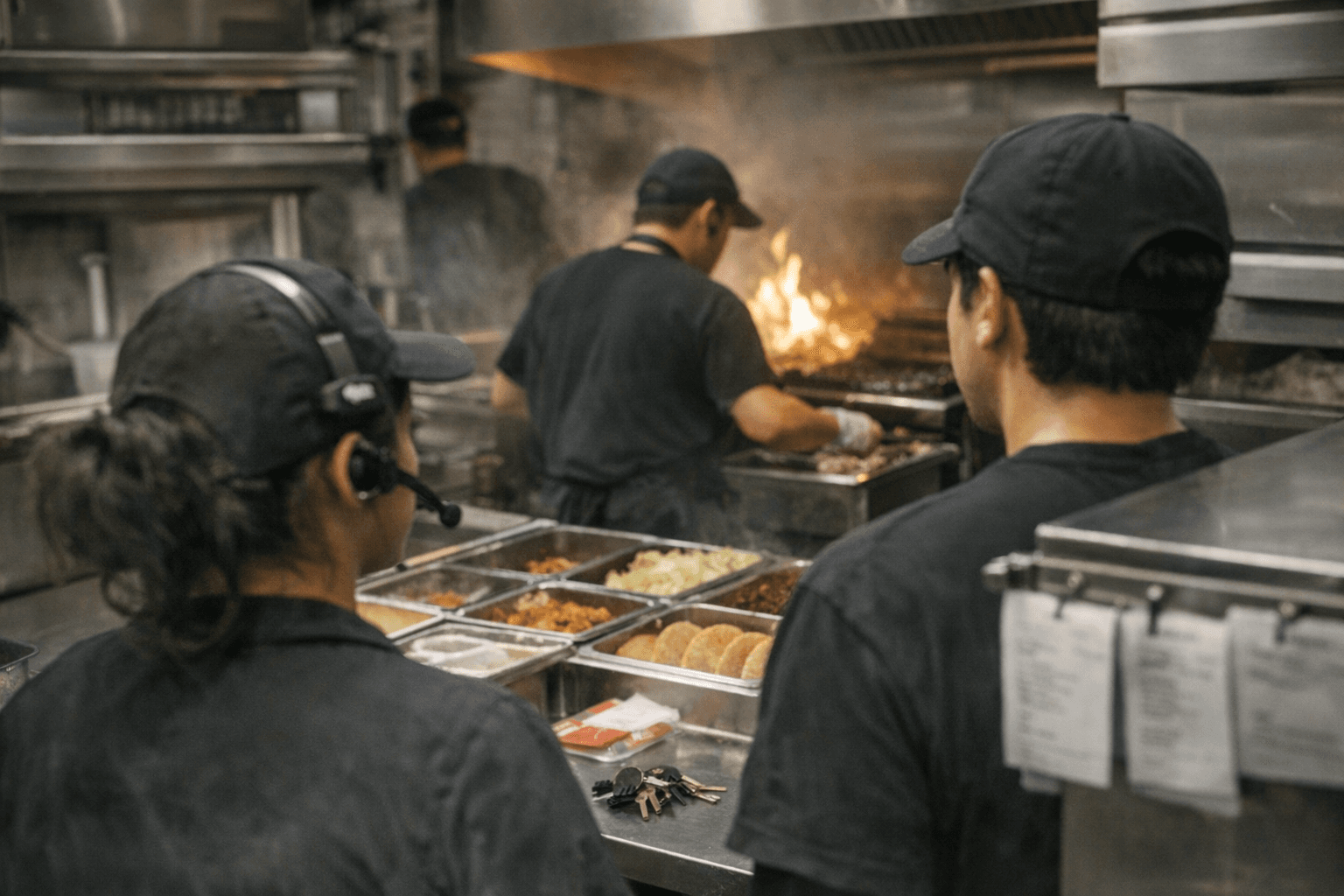
Taco Bell's official allergen policy acknowledges clearly that all products are prepared in shared kitchen environments where cross-contact can occur. The chain cannot guarantee that any item is free from allergen exposure, and that limitation is, by design, an answer that only the official documentation can give. When an employee attempts to answer an allergen question from memory or personal experience, the risk is immediate: a wrong answer could result in a serious allergic reaction and expose the restaurant to negligence claims.
The escalation rule here is non-negotiable and has nothing to do with being unhelpful. Employees should acknowledge the question, confirm that allergen information is available through official channels, and offer to help the customer access the Taco Bell allergen tool on the app or printed in-store materials. If a guest discloses a known severe allergy and asks crew to guarantee safety, that answer must come from a manager who can reference the current allergen documentation, not from a crew member improvising. Managers should keep a printed allergen guide accessible on-shift and verify its accuracy any time corporate updates the menu.
Internal Systems: Digital Orders, Pricing Overrides, and Back-of-House Tools
The fifth category covers the operational infrastructure customers occasionally try to interrogate: how digital orders are reconciled when they arrive incorrectly, how pricing discrepancies are resolved at the register, which modifications require manager-level system access, and how scheduling or pay information is handled. None of these are topics crew members are equipped to explain at the counter, and they should not try. Disclosing how the point-of-sale system processes overrides, for example, can invite customers to exploit perceived gaps in the workflow. Discussing digital order reconciliation out loud can create confusion when the system and the physical order do not match.
The on-shift standard is simple: anything involving a price that does not match what the customer expected, a digital order that did not process correctly, or a modification that requires back-end access is a shift lead call. Crew members who field these questions should acknowledge the issue calmly, confirm they are getting someone with system access, and refrain from speculating about why the discrepancy occurred.
The Compliance Takeaway for Managers
Auditing these five communication limits is not about catching employees out for oversharing. It is about recognizing that most crew members who cross these lines do so because no one explained the stakes. An employee who promises a refund to end an uncomfortable conversation has not failed at honesty; they have received training that lists the rule without explaining what an unauthorized compensation commitment actually costs the store. An employee who attempts to answer an allergen question from memory is not being reckless; they simply have not been given scripted language that makes the safe response feel just as helpful as the risky one.
Managers who embed the reasoning into daily briefings, post visible escalation flows in the back of house, and rehearse customer-facing language for high-pressure scenarios will see fewer communication missteps on the floor. The rules themselves are not secrets. What consistently goes untaught are the liability, safety, and brand-consistency reasons that make following them matter.
This article was produced by Prism’s automated news system from verified source data, official records, and press releases, then run through automated quality and moderation checks before publishing. The system is built and supervised by the people who set the standards it runs under. Read our full AI policy.
Did this article answer your question?