Taco Bell Expands Hiring Parties Nationwide to Speed Up Recruitment
Taco Bell revived its hiring party model at hundreds of restaurants this spring, using on-the-spot offers and group activities to compress hiring timelines as industrywide application flow declines.
Forty new hires in a single six-hour session. That is what four Taco Bell restaurants in Indianapolis produced when the chain first tested the hiring party concept, and that result is what operators across the country are now trying to replicate.
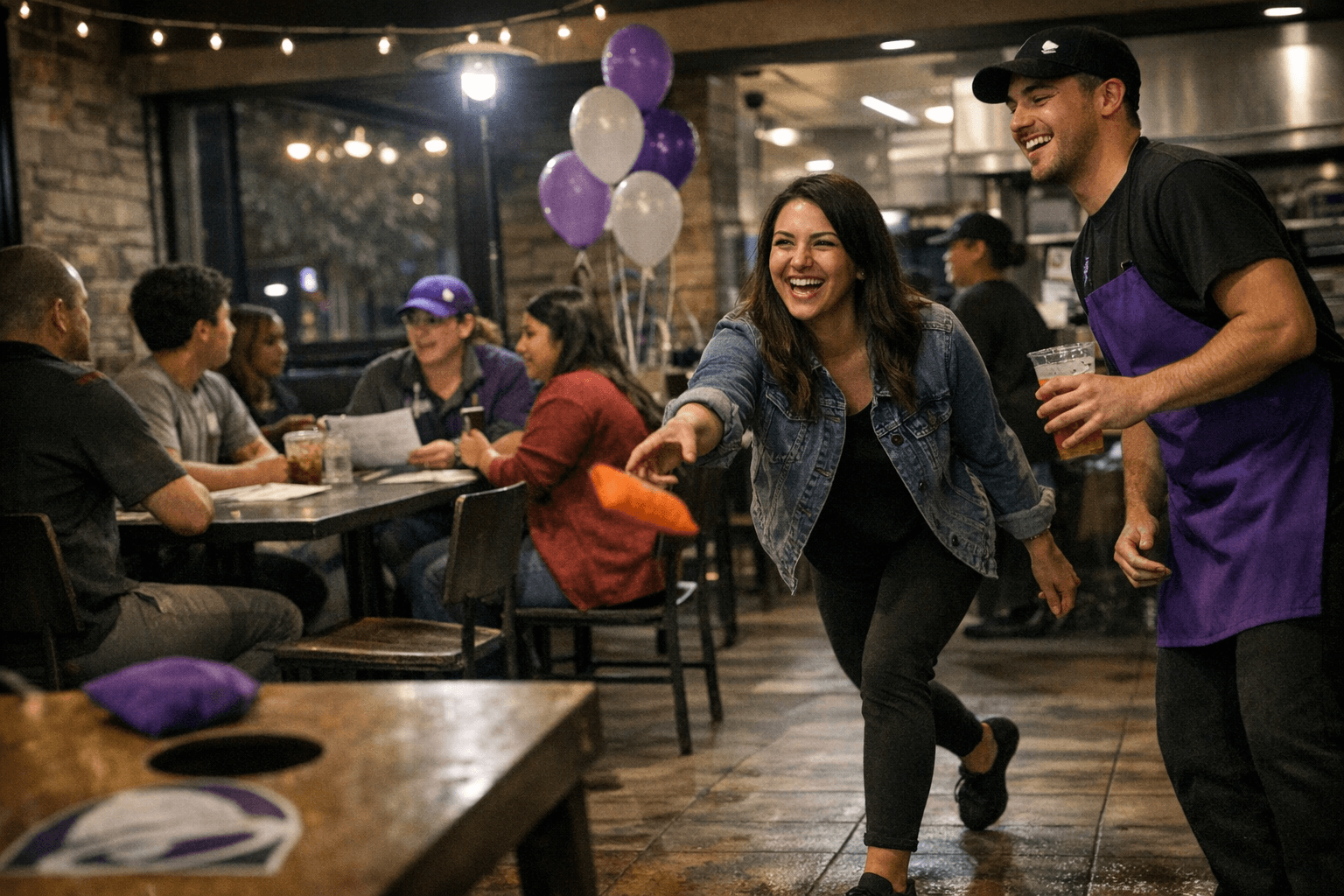
Taco Bell expanded its hiring party format to hundreds of participating restaurants this spring, reviving a tactic built around free food, group activities, and immediate conditional offers to compress the time between first contact and first shift. The push targets the spring-to-summer demand ramp as the industry contends with a broader decline in application volume that has tightened hiring pipelines at fast-food chains.
The mechanics are straightforward. Restaurants advertise the event locally, open doors to walk-ins or pre-scheduled candidates during the mid-afternoon window, and run structured group activities designed to surface teamwork and customer-service instincts rather than just resume checkmarks. Managers close qualified candidates with conditional offers or same-session follow-up interviews on the spot.
That Indianapolis pilot eventually became a national format. When Taco Bell first rolled out the concept nationwide in April 2019, nearly 600 company-owned and franchise restaurants across 450 cities participated in a coordinated week of events. In 2021, the chain targeted 5,000 new hires in a single-day national push. The spring 2026 expansion continues that trajectory, adding markets and participating locations as franchise operators balance the speed advantage against the operational demands of running a hiring event and a full daily service simultaneously.
Running group activities in a hiring context carries EEOC exposure that managers need to account for before the event begins. Evaluating candidates through observed interactions requires applying job-relevant criteria consistently and documenting assessments for each applicant. For same-day conditional offers that include a background check requirement, FCRA adverse-action timing rules still apply: if a check later produces disqualifying results and an offer is rescinded, the two-step notice process cannot be skipped simply because the hire was made quickly.
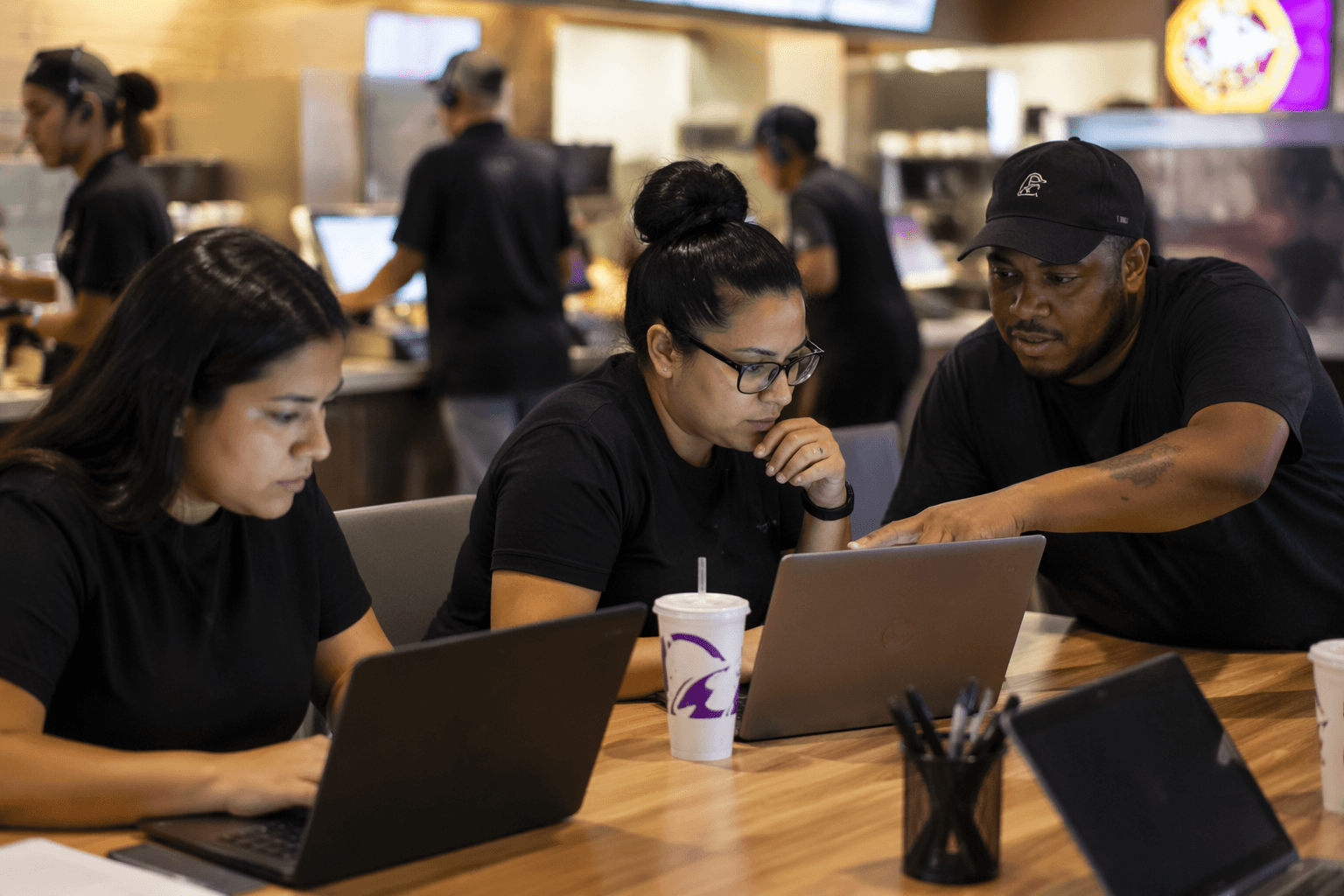
The hardest part for restaurant managers begins the morning after. A hiring party that goes well produces a cohort of new hires who all need orientation paperwork, food-safety training, and initial shadow shifts in the same compressed window. Without a plan built before the event, that surge falls disproportionately on whoever happens to be on the floor, which creates exactly the kind of rushed onboarding that drives early attrition.
Designating at least one trainer per cohort in advance matters more than most managers expect. A one-week schedule for new hires that mixes short shifts with explicit training blocks reduces the risk of dropping new crew into a Friday dinner rush before they have the fundamentals. A fast-track checklist covering pay portal enrollment, paperwork completion, and first-week scheduling should be built before the party, not assembled in the days that follow.
Operators in states with predictive-scheduling laws or youth-employment hour restrictions carry additional complexity into this model. Since more than half of Taco Bell's corporate store workforce falls between ages 15 and 24, minor labor rules require managers to build those restrictions into new hires' first-week rotas from day one, not after a scheduling conflict surfaces.
Tracking 60-day and 90-day retention for cohorts hired through parties against those brought in through traditional pipelines will tell operators whether the compressed process is building durable staff or simply shifting the turnover problem downstream.
This article was produced by Prism’s automated news system from verified source data, official records, and press releases, then run through automated quality and moderation checks before publishing. The system is built and supervised by the people who set the standards it runs under. Read our full AI policy.
Did this article answer your question?