California shoppers face shifting online prices, raising surveillance pricing concerns
A review of three major retailers found online prices shifting over weeks, while regulators warn personal data can quietly reshape what shoppers pay.
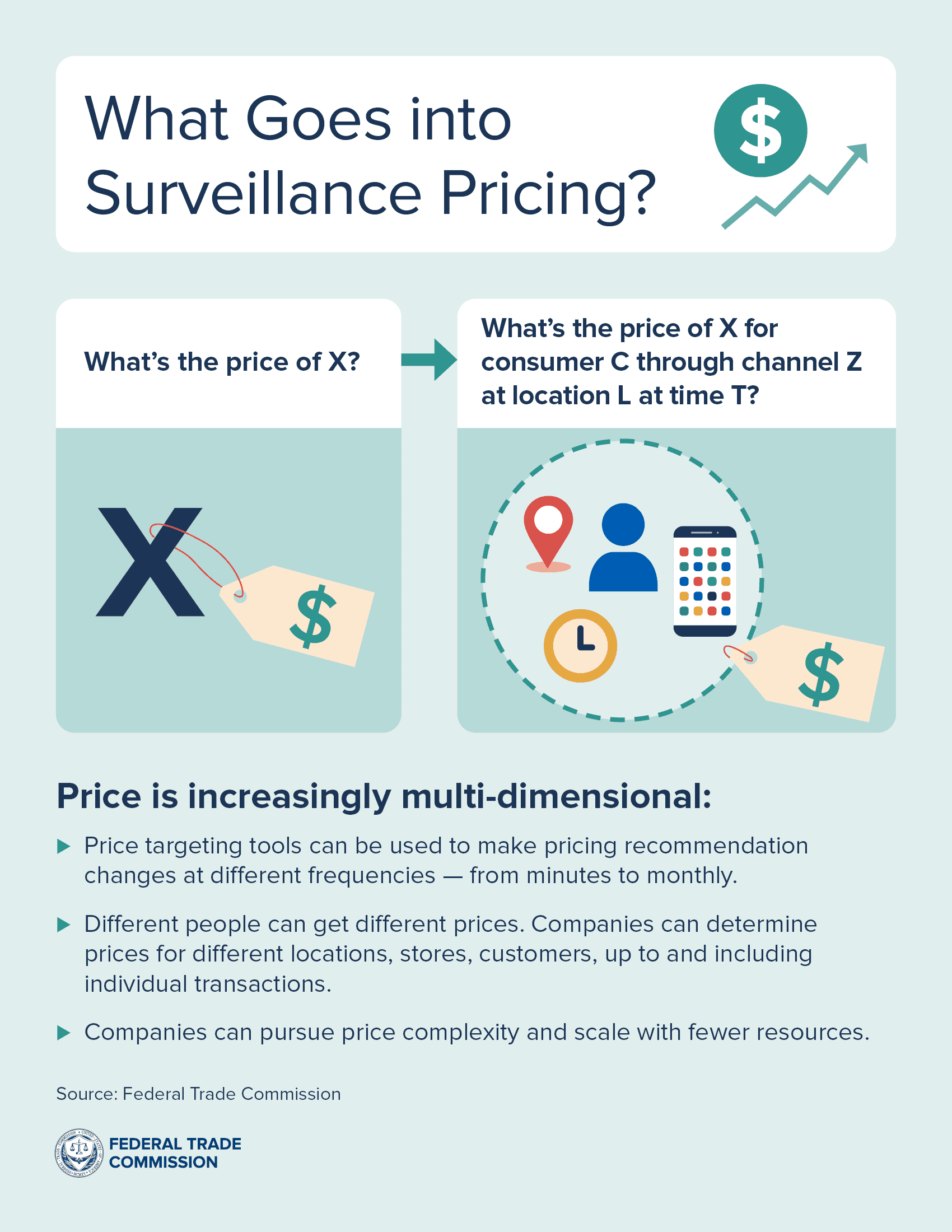
The same item did not stay the same price for long. A review of online shopping carts at three major retailers found prices changing significantly over several weeks, leaving shoppers with little clarity about when they were seeing a temporary promotion and when they were seeing a personalized offer.
That uncertainty sits at the center of a wider fight over surveillance pricing. In January 2025, the Federal Trade Commission said retailers and their intermediaries can use consumers’ location, demographics, browser history, purchase history, mouse movements on a webpage and even products left unpurchased in a cart to tailor prices and promotions. The agency said its preliminary findings came from documents from Mastercard, Accenture, PROS, Bloomreach, Revionics and McKinsey & Co., and warned that the same product can be priced differently depending on consumer-related data, time, place and the channel of purchase.
The concern is no longer theoretical. In December 2025, Groundwork Collaborative, Consumer Reports and More Perfect Union said an experiment involving 437 shoppers in four U.S. cities found different grocery prices for the same items on Instacart. Later reporting on that study said the average gap was about 7%, and in some cases the difference topped 20%. For households already watching every grocery dollar, that kind of spread can turn a routine online order into a moving target.
State and federal officials have started pushing back. New York Attorney General Letitia James said in January 2026 that charging different prices for the exact same products “leaves shoppers feeling cheated” and demanded answers from Instacart. Consumer Reports also said Instacart ended an AI-driven pricing practice after a joint investigation, underscoring how quickly algorithmic pricing can become a public-relations and consumer-protection problem.

California has moved into the same terrain. SB 259, the Fair Online Pricing Act, would prohibit prices generated in whole or in part from certain consumer input data, part of a broader effort to curb affinity-based algorithmic pricing. The policy debate now extends beyond whether online prices can change by the minute. It is about whether shoppers can tell when a price is a genuine sale, and when it is a hidden surcharge shaped by their digital footprint.
For regulators, the hard question is not whether dynamic pricing exists. It is what disclosure, oversight and legal limits should apply when personalized pricing starts to look less like competition and more like surveillance.
This article was produced by Prism’s automated news system from verified source data, official records, and press releases, then run through automated quality and moderation checks before publishing. The system is built and supervised by the people who set the standards it runs under. Read our full AI policy.
Know something we missed? Have a correction or additional information?
Submit a Tip