Repair Cafés gain traction as inflation makes fixing cheaper
In a New Paltz church basement, volunteers fixed lamps, zippers and mixers as higher prices pushed repair from hobby to household strategy.

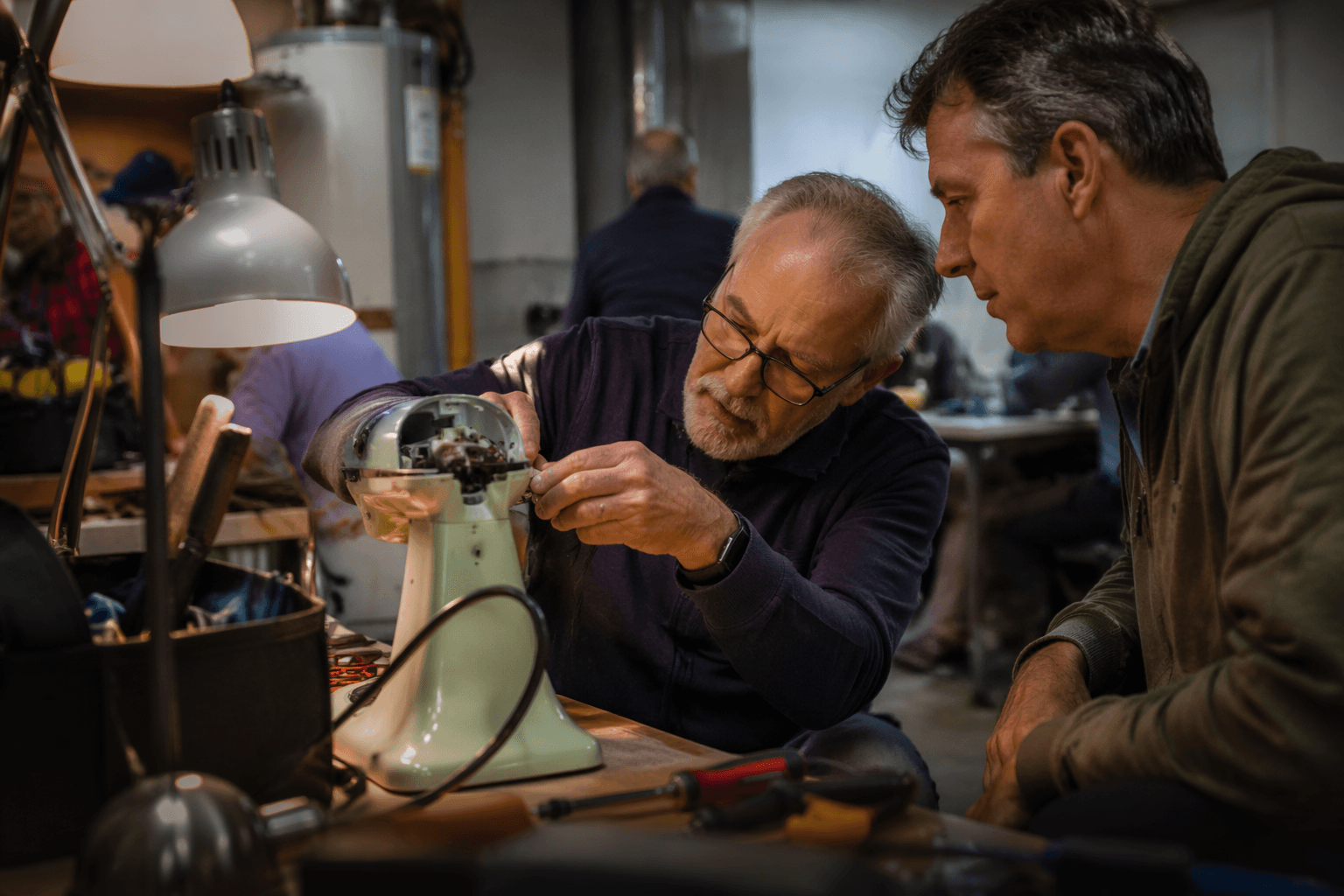
Broken lamps, blunt knives, a stubborn zipper and a malfunctioning sound mixer crowded tables in a small church basement in New Paltz, New York, where volunteers worked side by side with neighbors who had brought in items that had been sitting broken for weeks or months. The scene captured a larger shift: repair, once treated like a niche pastime, has become a practical response to household cost pressure, waste and the frustration of buying products built to be replaced.
The free Repair Café model grew out of that same frustration. The Repair Café International Foundation was founded on March 2, 2010, in Amsterdam, and now says the movement has more than 2,500 Repair Cafés worldwide. Its visit map lists 3,943 cafes, and the organization says volunteers helped record more than 37,000 repairs in RepairMonitor in 2024, with 62 percent of them successful. The numbers suggest more than symbolism. They point to a durable service network built around mending small appliances, clothing and household gear while teaching people to keep things in use longer.
That message is landing at a moment when inflation still shapes what families can afford. The U.S. Bureau of Labor Statistics said the Consumer Price Index for All Urban Consumers rose 0.6 percent in April 2026 and 3.8 percent over the previous 12 months, with energy prices up 3.8 percent in April. BLS also reported that gasoline prices were 18.9 percent higher in March 2026 than in March 2025. When fuel, food and other basics remain expensive, fixing a lamp or repairable kitchen tool can feel less like thrift and more like necessity.
Repair politics has also moved into state and federal policy. New York Gov. Kathy Hochul signed the Digital Fair Repair Act on December 29, 2022, making New York the first state to guarantee the right to repair consumer electronics. The New York State Office of the Attorney General said on January 29, 2024, that the law had gone into effect statewide. The New York State Department of Environmental Conservation now directs residents to a Community Repair Events Map and says many products are designed for short use and disposal, reinforcing the state’s waste-reduction frame.

The issue is expanding beyond phones and laptops. On February 2, 2026, the U.S. Environmental Protection Agency said it advanced farmers’ and equipment owners’ lawful right to repair farm and other nonroad diesel equipment, extending the repair argument into machinery that keeps food production moving. In New Paltz, the church-basement work looked modest, even intimate, but it reflected a bigger truth: the right to repair is no longer only a policy fight. It is a community practice shaped by budgets, by waste, and by the growing refusal to treat broken things as disposable.
This article was produced by Prism’s automated news system from verified source data, official records, and press releases, then run through automated quality and moderation checks before publishing. The system is built and supervised by the people who set the standards it runs under. Read our full AI policy.
Know something we missed? Have a correction or additional information?
Submit a Tip