Canadian Armed Forces recruiting surges to highest level in 30 years
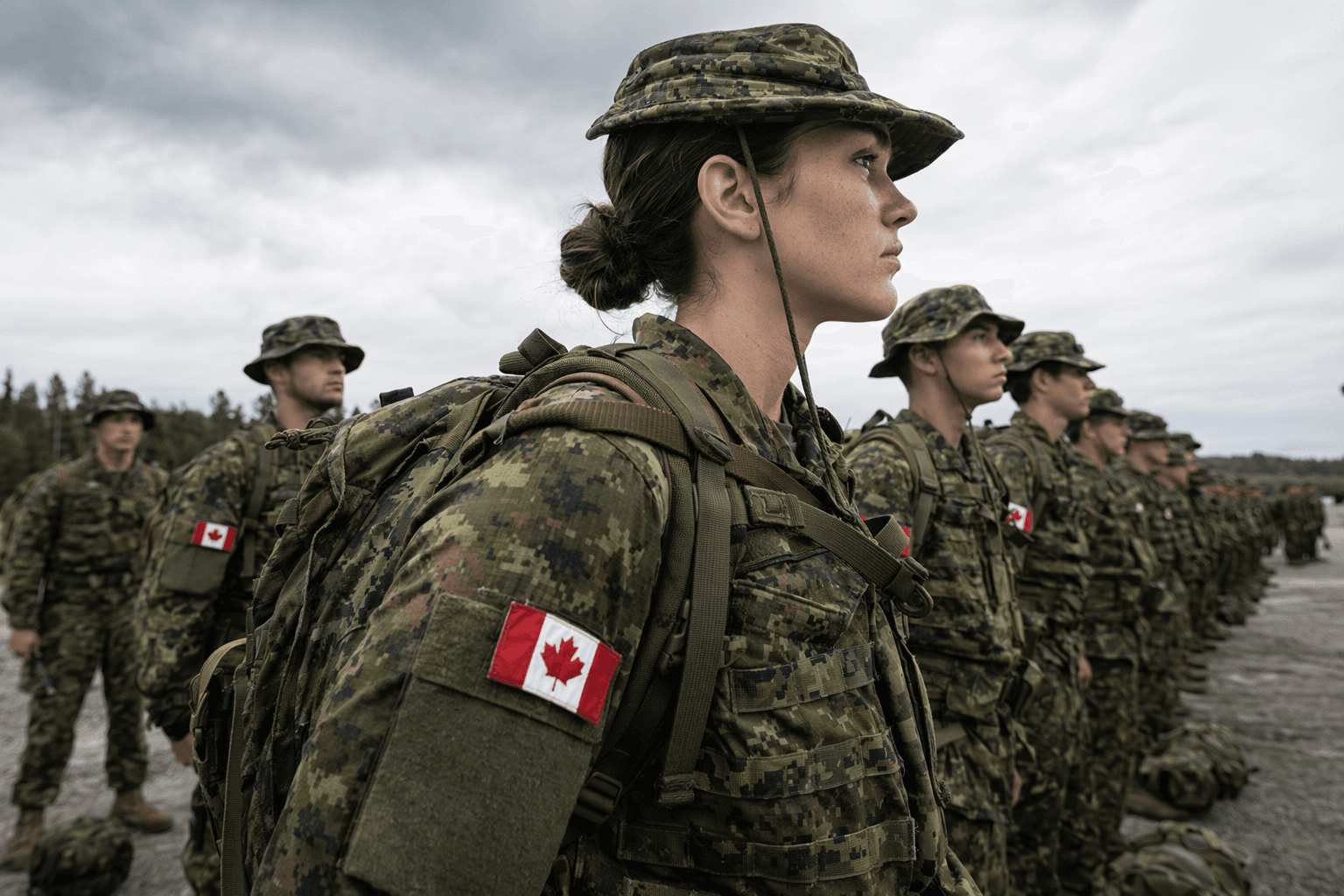
Canada’s military has posted its strongest recruiting year in more than 30 years, after pay raises, faster processing and a harder view of security threats reshaped Ottawa’s defense push.

Canada’s military recruitment rebound is more than a personnel statistic. It is a sign that Ottawa, after years of warning signs and shortfalls, has begun treating defense readiness as a political and strategic priority again.
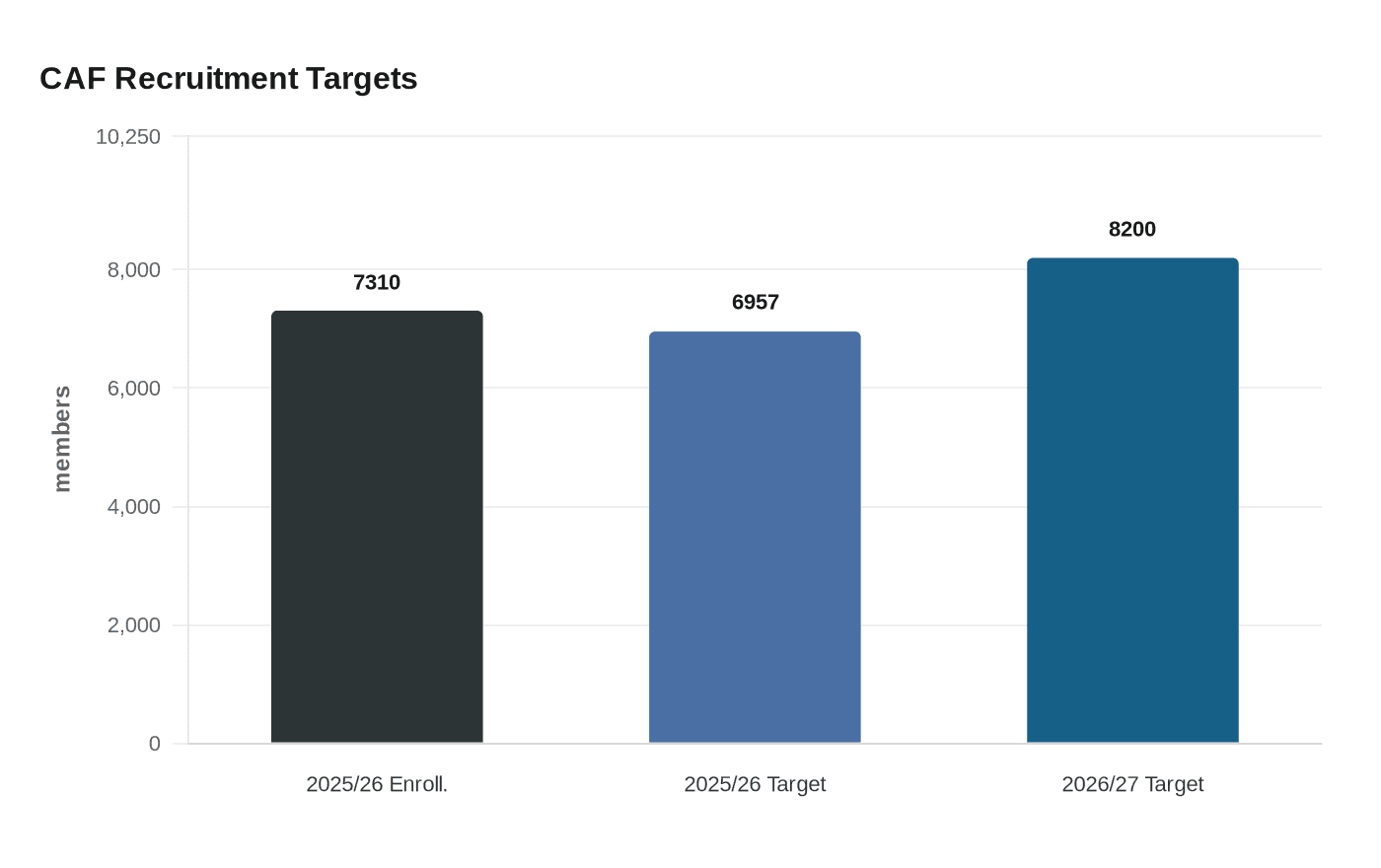
In fiscal year 2025/26, the Canadian Armed Forces enrolled 7,310 Regular Force members, beating its target of 6,957 and marking the highest level of enrolment in more than three decades. It was the second straight year the force met its Regular Force recruiting objective, and officials have now raised the bar again, setting a target of 8,200 for 2026/27.
The turnaround comes after years in which Canada’s armed forces were described in stark terms by their own leaders and watchdogs. In 2024, then-defence minister Bill Blair said the military could be short by as many as 16,500 members. The Office of the Auditor General of Canada later found the CAF planned to recruit just over 19,700 new members between 2022 and 2025 but brought in only around 15,000. That gap left Canada with a force trying to meet new security demands while struggling to fill its own ranks.
Ottawa has responded with a mix of incentives and system fixes. In August 2025, the government announced improvements to compensation and benefits, including a pay raise it said was the most substantial since 1998. The government said the changes represented an approximately 20 per cent increase. The message from the top was clear: military service had to become more competitive in a labor market where skilled Canadians have more options and where the cost of living has made retention and recruitment harder across public service and industry alike.
The CAF has also widened the pipeline. Beginning in January 2025, the Department of National Defence and Immigration, Refugees and Citizenship Canada began sharing personal information about permanent residents who had expressed interest in joining the military. In February 2025, the CAF introduced recruitment modernization measures, including a Fast Pass program for some occupations and an online applicant portal, part of a push to speed up onboarding that had long frustrated applicants.
The surge also fits into a broader Western-security recalibration. In June 2025, Canada pledged to accelerate defence investment, and Budget 2025 set aside $20.4 billion over five years to recruit and retain a strong fighting force. Canada also reached NATO’s 2 per cent of GDP defence-spending benchmark in the 2025/26 fiscal year, a milestone that reflects how far the country has moved from the era of chronic underinvestment.
The question now is whether the recruiting wave reflects a lasting change in how Canadians view national defense, or a temporary lift from better pay and easier entry. The answer will be tested not by enrolment totals alone, but by whether Ottawa can train, retain and equip the larger force it is now trying to build.
This article was produced by Prism’s automated news system from verified source data, official records, and press releases, then run through automated quality and moderation checks before publishing. The system is built and supervised by the people who set the standards it runs under. Read our full AI policy.
Did this article answer your question?


