Putin says Ukraine war nearing end, blames West for prolonging it
Putin cast the Ukraine war as nearing its end just hours after promising victory, while fresh ceasefire talks and violations undercut the message.
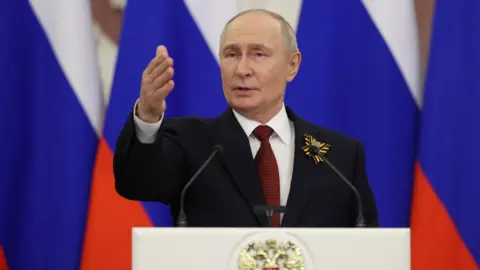
Vladimir Putin said the war in Ukraine was “coming to an end” even as he had just vowed victory over Ukraine at Moscow’s scaled-back Victory Day parade, a split-screen message that underscored how Kremlin rhetoric now aims to project momentum while the fighting and diplomacy remain unsettled.
Speaking at the Kremlin after Russia’s World War II commemorations on Saturday, May 9, 2026, Putin said, “I think that the matter is coming to an end.” He said any meeting with Ukrainian President Volodymyr Zelensky would be possible only after a lasting peace agreement was reached, and he blamed Western backing for Kyiv for prolonging the war. The parade itself offered its own signal: for the first time in nearly two decades, it did not feature a display of heavy weapons.
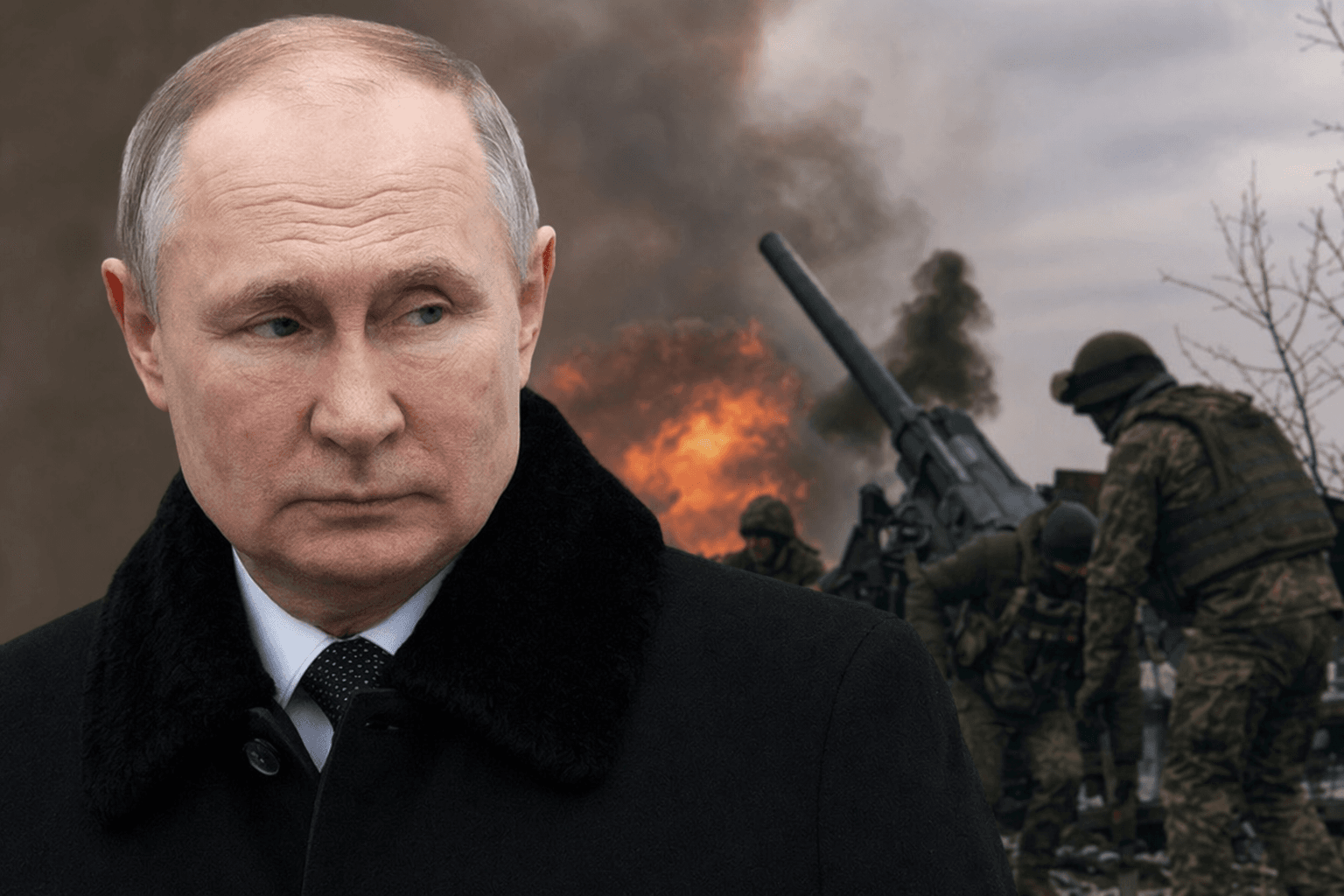
The comments came against a fragile diplomatic backdrop. A U.S.-brokered three-day ceasefire was in effect around May 9 to May 11, along with a proposed 1,000-for-1,000 prisoner exchange, but both sides accused the other of violations. The Ukrainian government said Russia had not shown serious adherence to earlier truce ideas, while Zelensky accused Moscow of spurning ceasefire efforts. Russian and Ukrainian officials had already been trading competing declarations over ceasefire terms around Victory Day, making the latest pause look less like a breakthrough than another contested test of leverage.
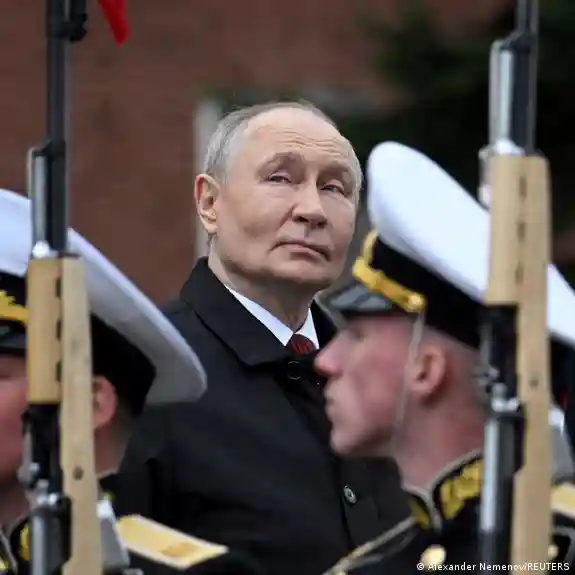
That is the central tension in Putin’s message. He presented the war as approaching its end while keeping the terms of any settlement tightly controlled, insisting on a peace deal before any meeting with Zelensky and shifting responsibility onto the West. The framing allows Moscow to suggest flexibility without conceding pressure on the battlefield or in negotiations, especially after months of stalled diplomacy and renewed U.S. involvement this week.
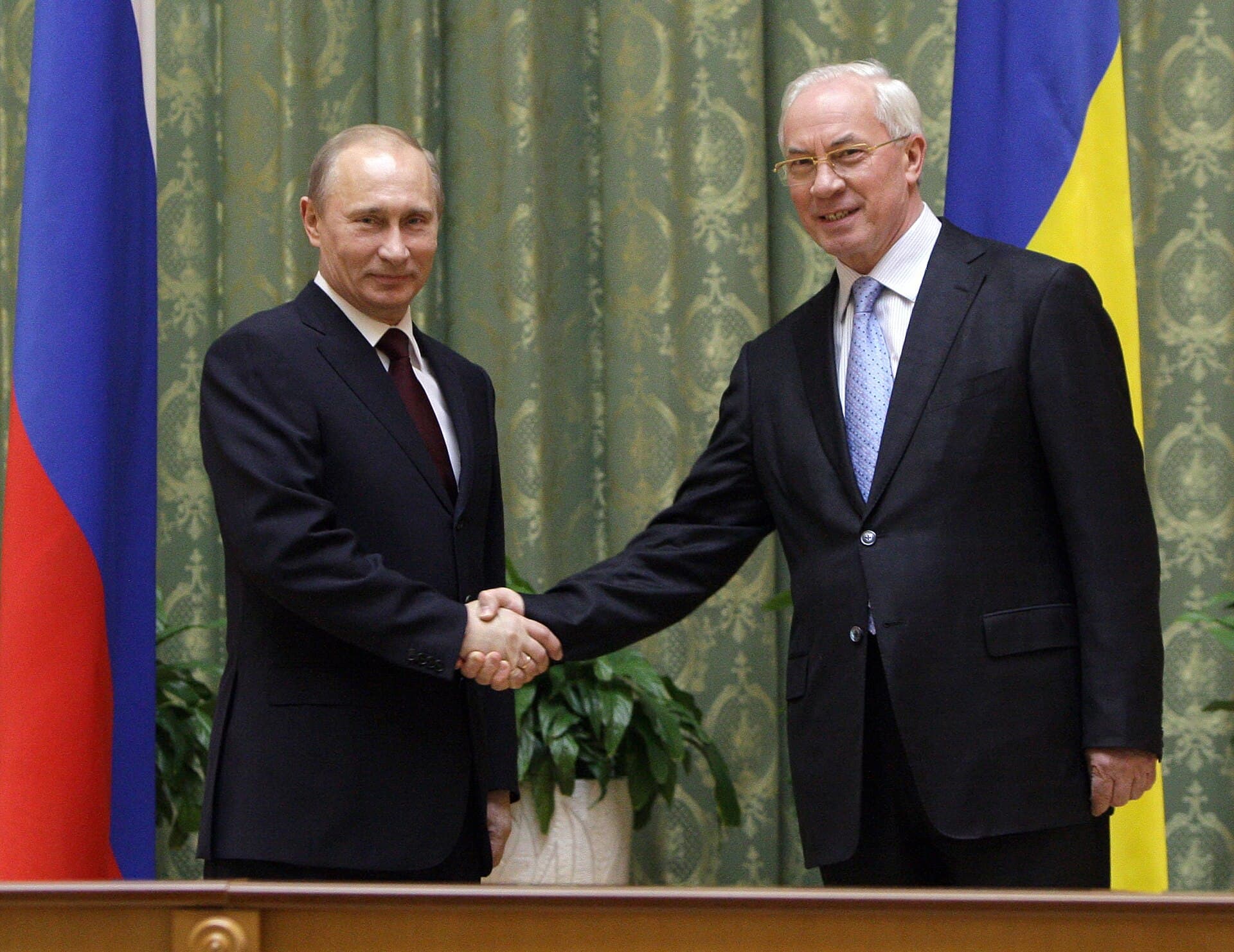
The wider stakes remain severe. Russia’s full-scale invasion, launched in February 2022, set off the most serious crisis in Russia-West relations since the 1962 Cuban Missile Crisis. In January, U.S.-mediated talks in Abu Dhabi were described by Zelensky as constructive discussions on possible parameters for ending the war. But the contrast between Putin’s victory language, the absence of heavy weapons from Red Square, and the disputed ceasefire around Victory Day points to a conflict still defined less by closure than by maneuvering over who will define the end.
This article was produced by Prism’s automated news system from verified source data, official records, and press releases, then run through automated quality and moderation checks before publishing. The system is built and supervised by the people who set the standards it runs under. Read our full AI policy.
Did this article answer your question?