Trump waits for Iran reply as wartime gas prices keep rising
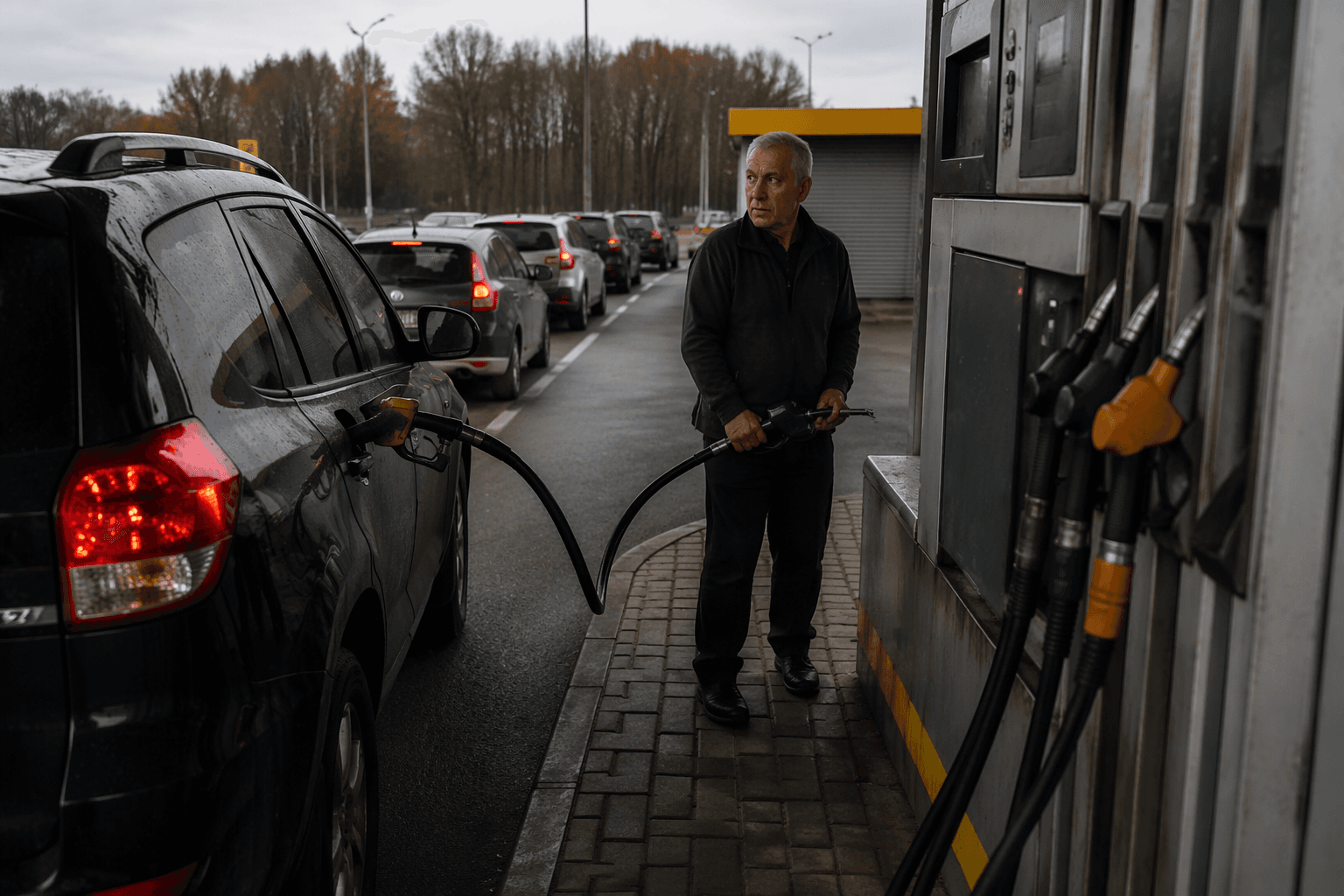
Iran had not answered the latest peace plan as U.S. gas averaged $4.53 a gallon, extending a wartime price surge that was already hitting households.
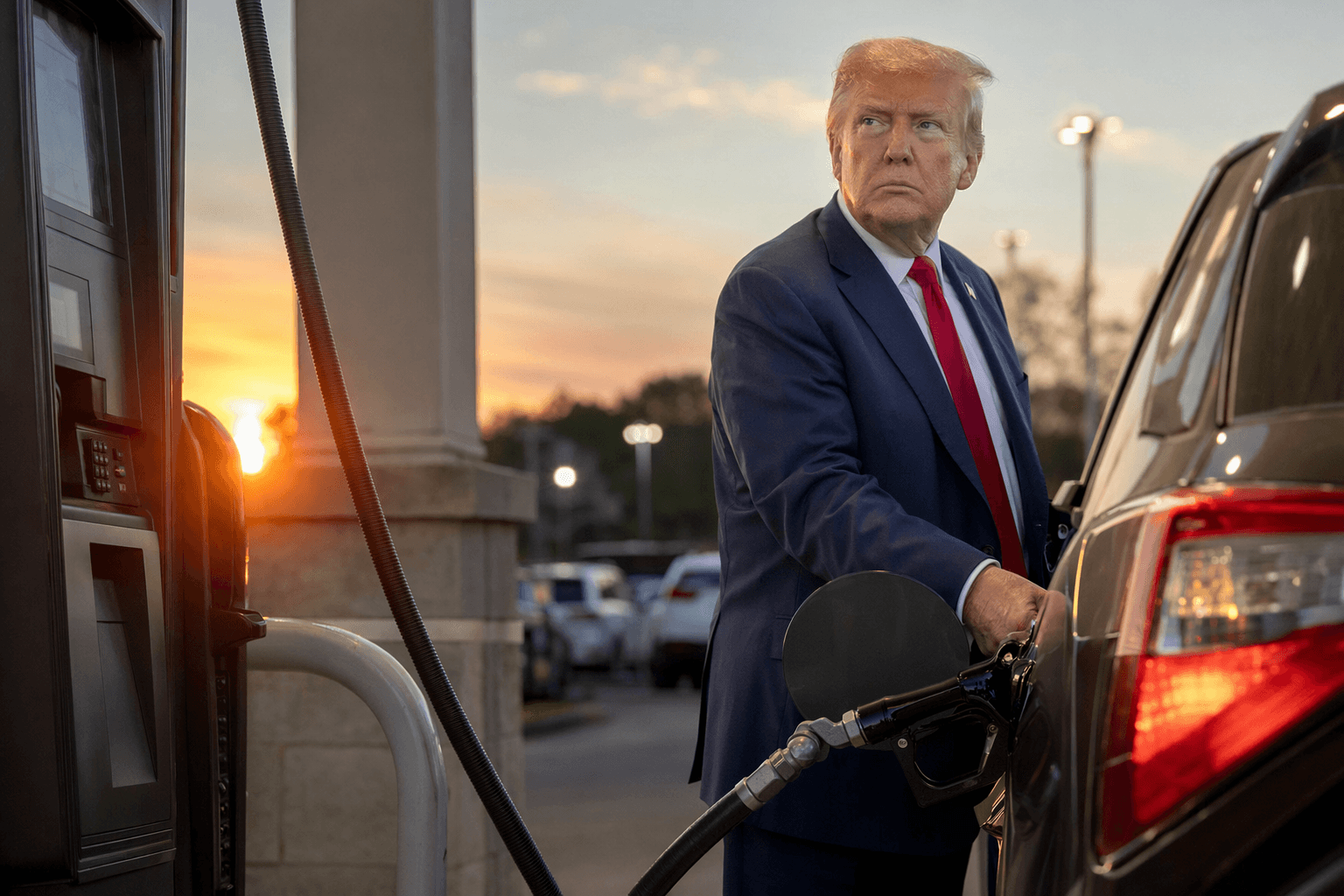
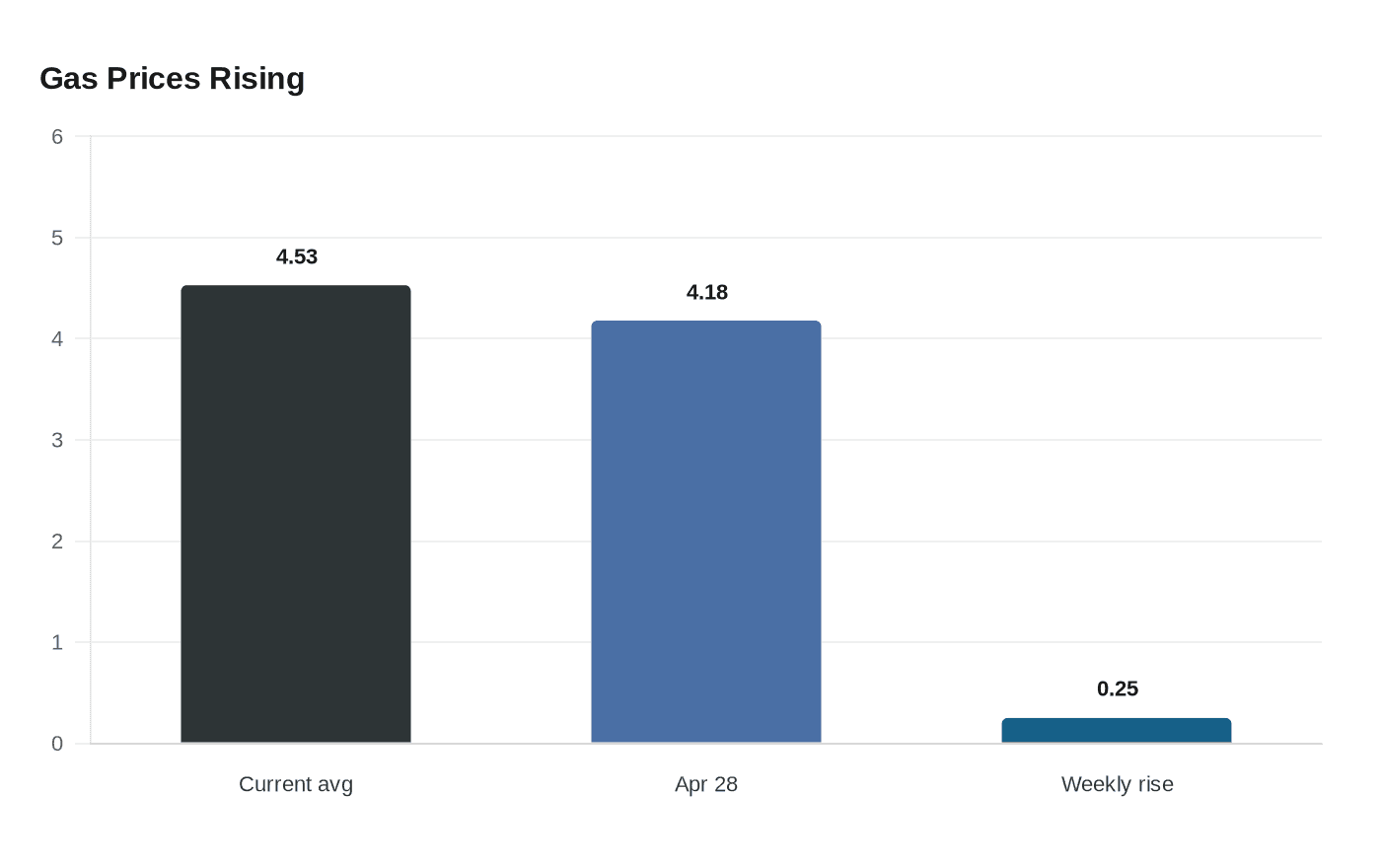
The White House was still waiting for Iran to answer the latest peace plan, and President Donald Trump said a reply could come "any minute." At the same time, Americans were already paying for the uncertainty at the pump, where the national average for gasoline reached $4.53 a gallon, up 25 cents for the second straight week.
The jump in fuel costs has been one of the clearest ways the Iran conflict has reached the U.S. economy. Gasoline hit $4.18 a gallon on April 28, the highest level since the fighting began, and prices had risen more than $1 a gallon since the conflict started on Feb. 28. For consumers, that has meant a war-risk premium that is no longer theoretical. It is showing up in commuting costs, delivery bills and inflation expectations.
Oil markets have swung sharply as diplomacy stalled. Brent crude briefly topped $126 a barrel during a later spike tied to the breakdown in U.S.-Iran talks, even after earlier easing to around $85 a barrel. Fuel prices did not ease with it. Analysts have warned that even if a deal is reached, retail gas prices could take months to drift back toward prewar levels because wholesalers, refiners and station owners do not reset prices overnight.
The pressure has also centered on the Strait of Hormuz, one of the world’s most important energy chokepoints. U.S. efforts have focused on protecting shipping there, including a task force helping guide commercial vessels through the waterway as Iranian attacks and threats raised fears of disruption. The military buildup has underscored how closely diplomacy, maritime security and consumer prices are now linked.
Negotiations have continued indirectly. Iran received a U.S. message through mediators, and Iranian officials said the points were being reviewed. The Trump administration extended a ceasefire deadline while pressing for a unified Iranian proposal, even as Trump has said he expects to "end up with a great deal" and that Iran has "no choice" but to come to the table.
The economic fallout is broader than gasoline alone. Consumer confidence has fallen as households worry about higher fuel prices and inflation tied to the war, turning a distant geopolitical standoff into a daily budget problem. Until Iran answers and a durable agreement takes shape, drivers are likely to keep paying for the suspense.
This article was produced by Prism’s automated news system from verified source data, official records, and press releases, then run through automated quality and moderation checks before publishing. The system is built and supervised by the people who set the standards it runs under. Read our full AI policy.
Did this article answer your question?