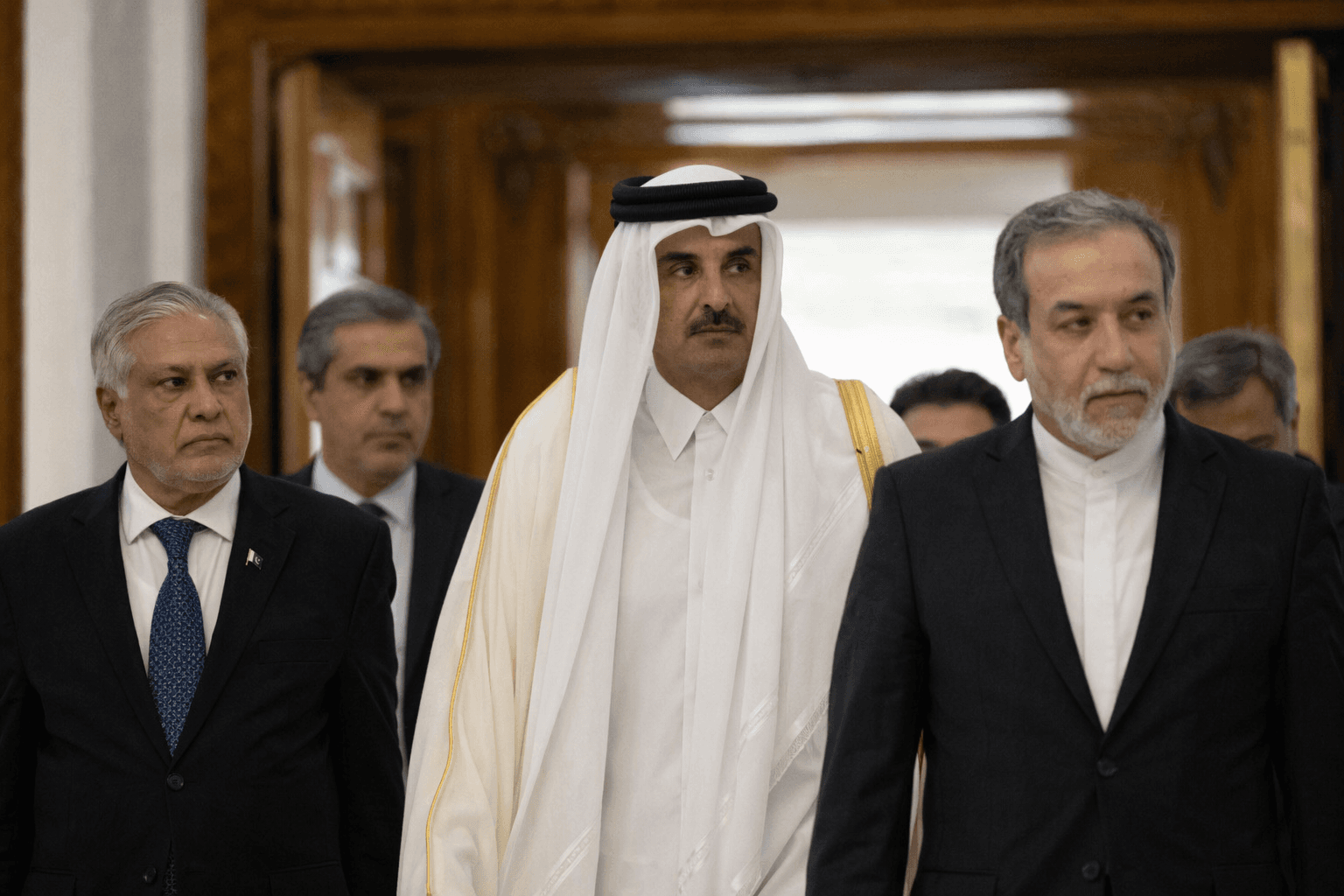
Cardinal Czerny discusses Pope Leo XIV, Church politics and AI challenge
Pope Leo XIV’s first year put AI at the center of a papacy that looks both reform-minded and globally political, with Czerny as a key signal.
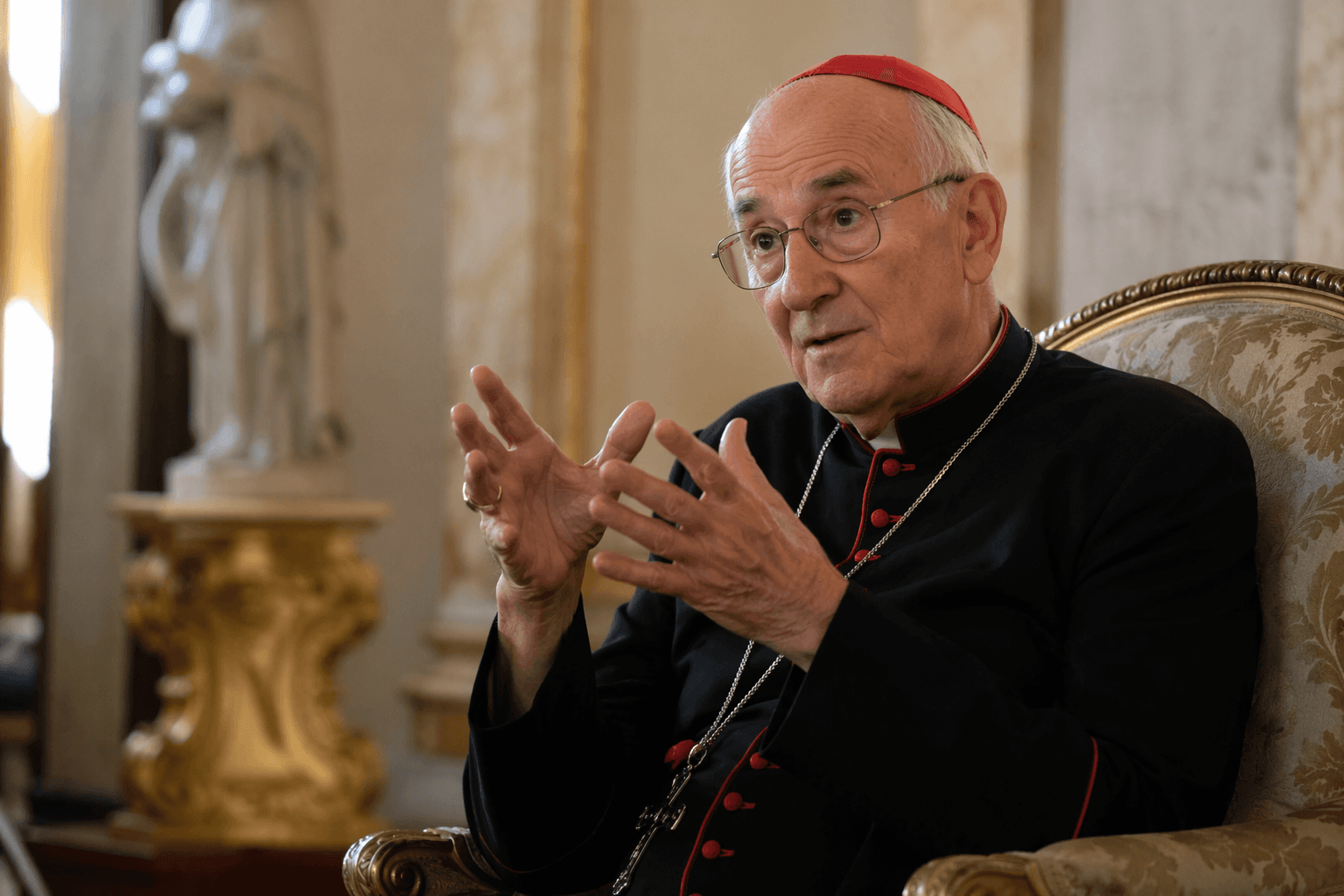
Pope Leo XIV has quickly made artificial intelligence a test case for what kind of pope he intends to be: a moral authority on world affairs, an internal reformer, or both. The choice matters because Leo, the 267th Bishop of Rome, is also the first pope from the United States and the first Augustinian pope in Church history, giving his early priorities unusual weight inside and outside the Vatican.
His election on May 8, 2025, came after the conclave opened on May 7. Cardinal Protodeacon Dominique Mamberti announced Robert Francis Prevost to the crowd in St. Peter’s Square, and Leo’s first words were, “Peace be with all of you!” That opening set a tone of pastoral calm, but his first formal audience pointed to a harder-edged agenda. Vatican sources say Leo identified artificial intelligence as one of the most critical matters facing humanity, placing the technology among the central themes of his pontificate.
Cardinal Michael Czerny has become one of the clearest windows into that direction. In a May 2, 2025 CBS interview, he defended Pope Francis’ synodal vision of a more welcoming Church, saying, “If you don't welcome, there's no further possibility.” That line matters because it frames the Church’s political role not as raw influence, but as a moral institution whose authority depends on inclusion, listening and legitimacy. Czerny’s comments suggest Leo inherits that framework even as he adjusts the emphasis.
AI shows how the papacy may be trying to operate on two tracks at once. On May 12, 2026, Leo approved a new Interdicasterial Commission on Artificial Intelligence, and the rescript was released publicly on May 16. Czerny signed it in his role as prefect of the Dicastery for Promoting Integral Human Development. The commission brings together seven Vatican dicasteries and academies to coordinate the Holy See’s response to AI’s effects on human dignity, integral development and the Church’s own internal use of AI.
That breadth is politically revealing. It treats AI not just as a technical problem, but as a labor issue, an ethics issue and a human-rights issue, which is consistent with Czerny’s earlier remark that he “rejoiced” when Robert Prevost chose the name Leo XIV because of its echoes of Leo XIII and Catholic social teaching on work. For Leo XIV, then, the papacy appears to be moving toward a dual role: a Church that challenges global power in the language of human dignity while also reorganizing its own institutions to meet a changing century.
Know something we missed? Have a correction or additional information?
Submit a Tip