CBP tariff refund system stabilizes after early hiccups, expert says
CBP’s new refund portal has already processed 11 million tariff payments, but 15% of reviewed claims were denied, slowing cash flow for importers.

The government’s new tariff refund portal is moving money, but not every claim is getting through. U.S. Customs and Border Protection said roughly 15% of reviewed import entries have been denied since the system went live, a setback for businesses counting on fast repayment after the Supreme Court voided many IEEPA tariffs in February.
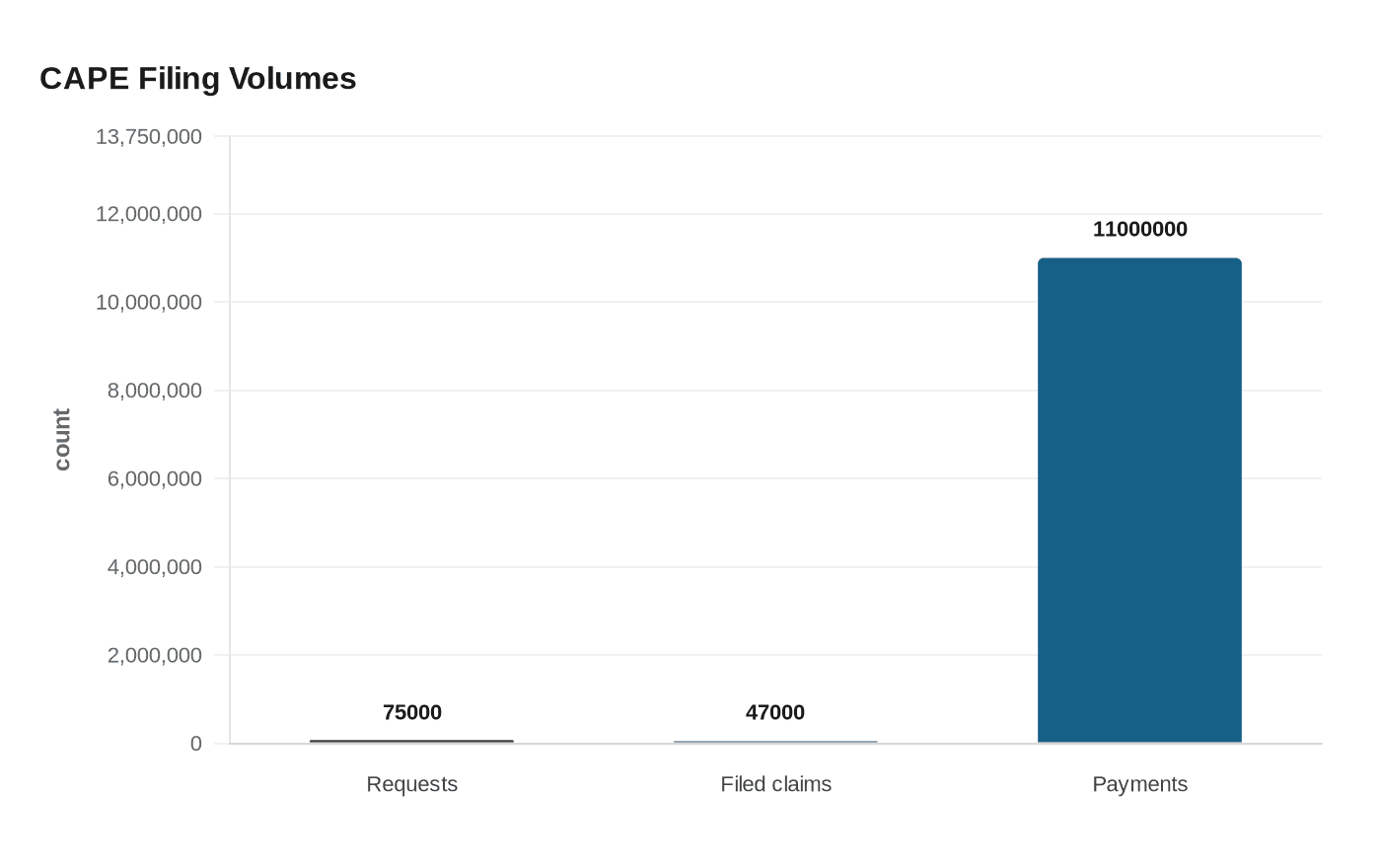
CBP launched the first phase of its Consolidated Administration and Processing of Entries system, known as CAPE, on April 20 inside the ACE Secure Data Portal. By April 26, the agency said it had received more than 75,000 refund requests from U.S. businesses and other importers, and more than 47,000 claims covering about 11 million tariff payments had been properly filed. CBP said the portal was unavailable for only 18 minutes on launch day, a brief interruption that the agency said was needed to reconfigure resources and optimize processing.
The early rejection rate has drawn close attention because the claims are tied to duties that were imposed under the International Emergency Economic Powers Act and then struck down by the Supreme Court. Those tariffs span a huge universe, with government and reporting estimates placing the contested pool at about 53 million entries and roughly $166 billion in duties. Some analysts say large retailers and other importers could eventually recover billions if the process works as intended.
CBP has said many denials are not final and may reflect entry-specific validation problems, meaning the filing did not match the agency’s rules for that claim. Trade lawyers said some rejected requests likely stem from simple filing mistakes or from claims submitted outside CAPE’s narrow first-phase parameters. That first phase covers only certain unliquidated entries and entries within 80 days of liquidation, and refunds are being processed in batches rather than entry-by-entry.
For importers, the issue is cash flow as much as compliance. CBP says valid IEEPA refunds will generally be issued within 60 to 90 days after a CAPE declaration is accepted, but that timeline only matters once a claim clears the system’s screening. CBP and business groups, including the U.S. Chamber of Commerce, have urged companies to update their ACE Portal account details and banking information and to work closely with customs brokers or trade counsel as the claims process unfolds. Smaller businesses may be the most exposed to filing errors if they lack dedicated trade staff, even as the full refund pool stretches across thousands of importers and millions of entries.
This article was produced by Prism’s automated news system from verified source data, official records, and press releases, then run through automated quality and moderation checks before publishing. The system is built and supervised by the people who set the standards it runs under. Read our full AI policy.
Did this article answer your question?