India industrial output growth slows to five-month low at 4.1%
India’s factory output cooled to a five-month low in March, a sign that higher energy costs and softer demand could reverberate far beyond New Delhi.
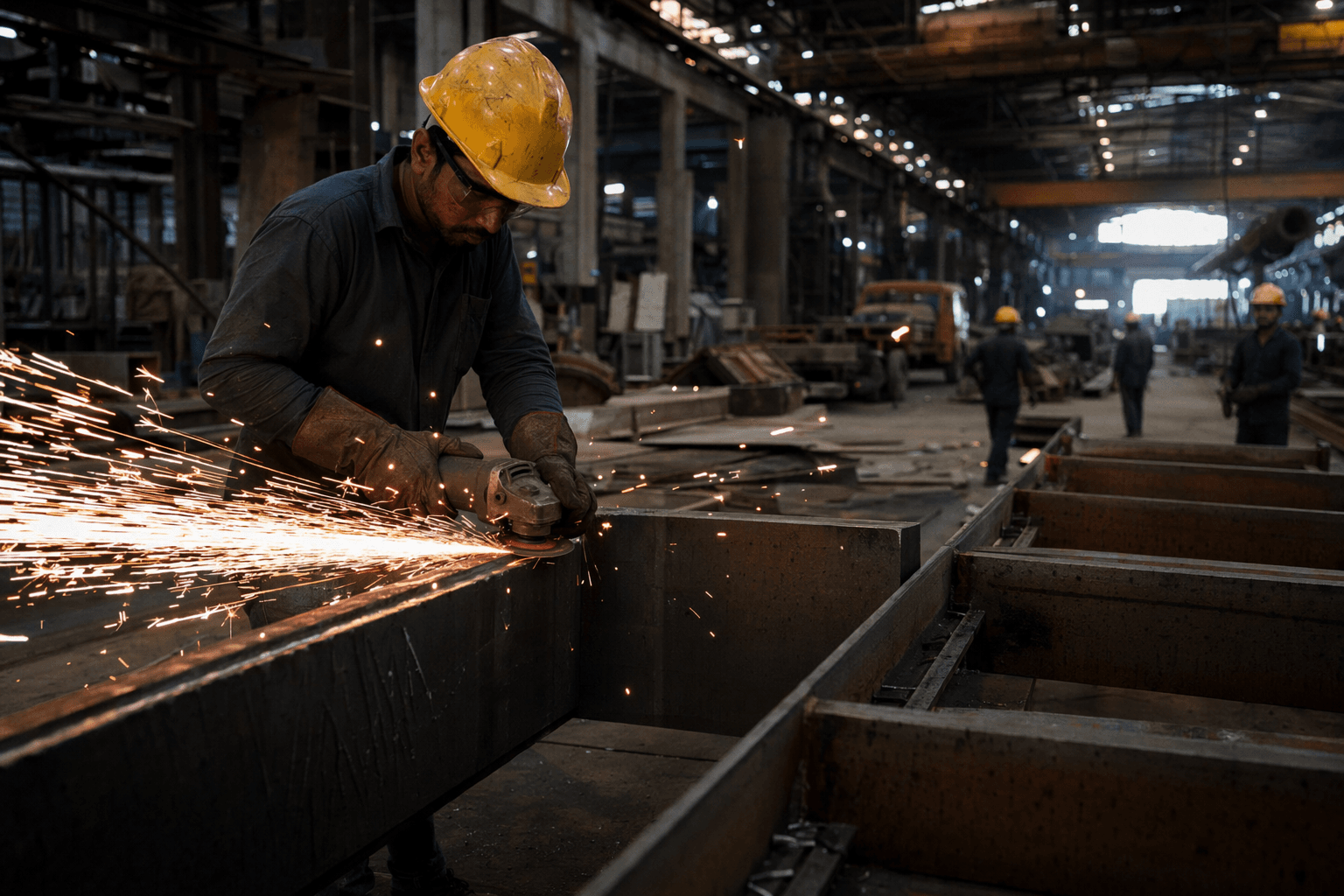
India’s industrial engine lost momentum in March, with output rising 4.1% from a year earlier, the slowest pace in five months and a reminder that one of the world’s fastest-growing major economies is feeling the strain of weaker factory activity and softer power generation.
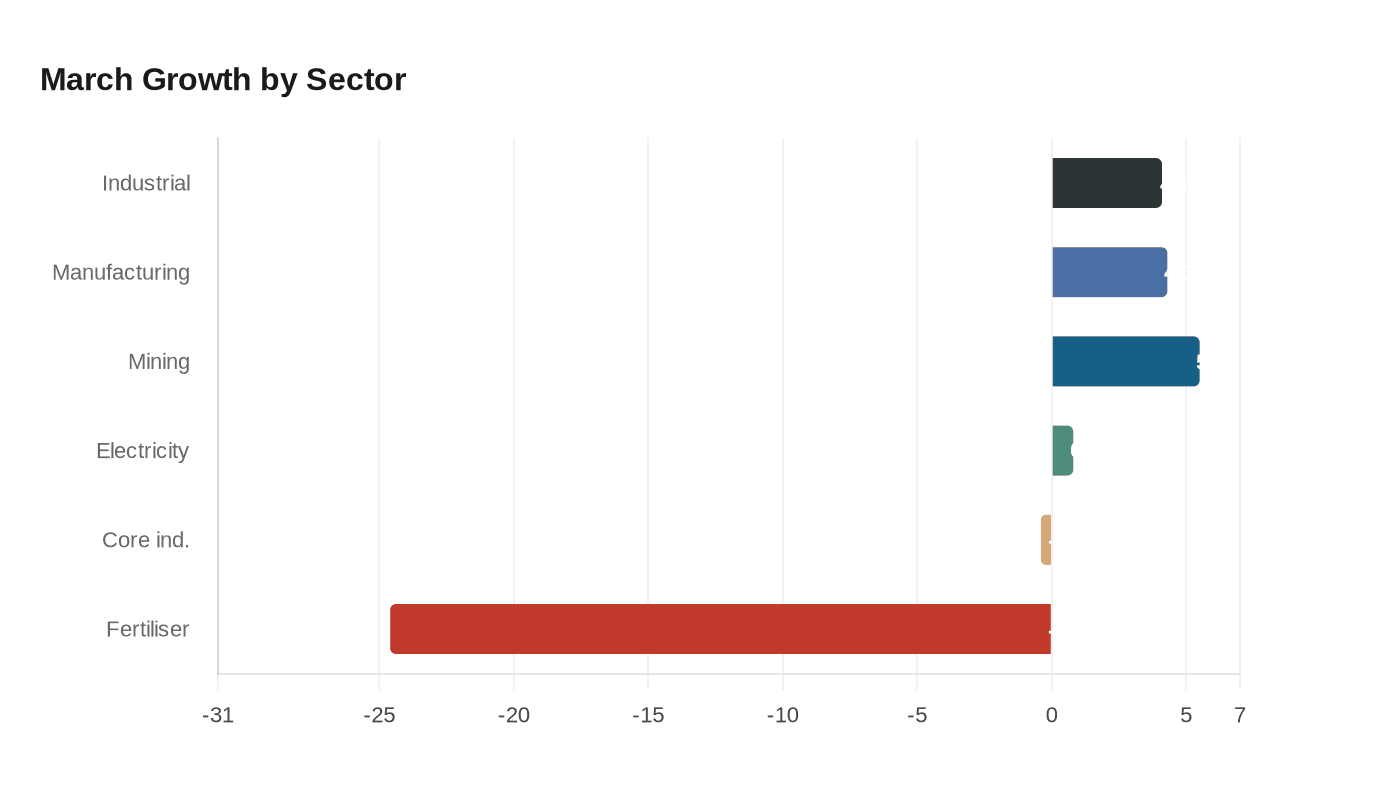
The Ministry of Statistics and Programme Implementation said the quick estimate for the Index of Industrial Production showed growth of 4.1% in March 2026, led by manufacturing growth of 4.3% and mining growth of 5.5%. Electricity output rose just 0.8%, helping drag on the headline number. The February reading was revised to 5.1%, while economists had expected March growth of 3.7%, making the latest figure a slowdown rather than a collapse.
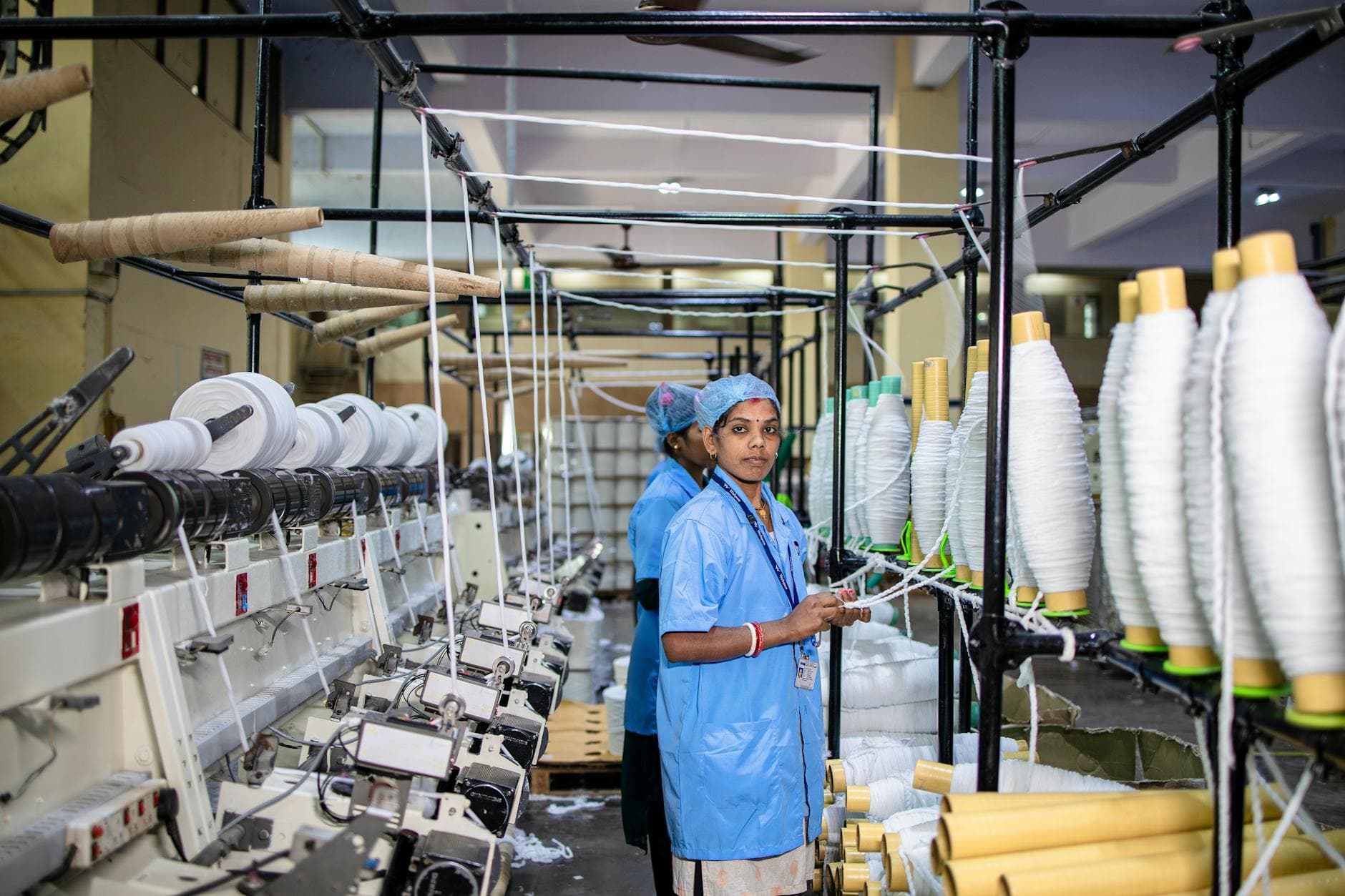
The details point to a broad but uneven cooling. India’s eight core industries, a separate gauge tracked by the commerce ministry, contracted 0.4% in March, with fertiliser production down 24.6% year on year. That weakness matters because it suggests stress in input-heavy sectors that feed into broader manufacturing, transport and construction activity. Some sector data remained firm, but the sharp slowdown in electricity output and the decline in core industries suggest that industrial momentum was fading just as the quarter ended.

The timing has sharpened the economic significance. March was the first full month of industrial data after the West Asia crisis began, and higher energy costs have raised fresh pressure on an economy that depends heavily on imported fuel. Reuters noted that the month’s slowdown was driven mainly by factory output and weaker power generation, a combination that makes the reading more important than a single weak sector would have been. Bank of Baroda chief economist Madan Sabnavis called the 4.1% growth “impressive” given that core sector growth was negative, underscoring that the industrial figure held up better than some underlying indicators.
For global markets, the number is an early warning on demand, not just a domestic data point. If India’s industrial growth keeps easing, the spillover could reach U.S. investors watching emerging-market earnings, exporters tied to Indian capital spending, and commodity markets that depend on steady Asian demand for metals, energy and industrial inputs. It could also temper supply-chain expectations at a moment when businesses are already weighing geopolitical risk, freight costs and the durability of manufacturing demand across Asia. March’s 4.1% gain still shows expansion, but it also signals that the global growth engine is facing a more expensive and less predictable environment.
This article was produced by Prism’s automated news system from verified source data, official records, and press releases, then run through automated quality and moderation checks before publishing. The system is built and supervised by the people who set the standards it runs under. Read our full AI policy.
Did this article answer your question?

