CDC halts telework accommodations for disabled workers, sparking civil-rights backlash
CDC employees with disabilities lost telework protections after the agency froze accommodations and stopped renewals, triggering civil-rights complaints.
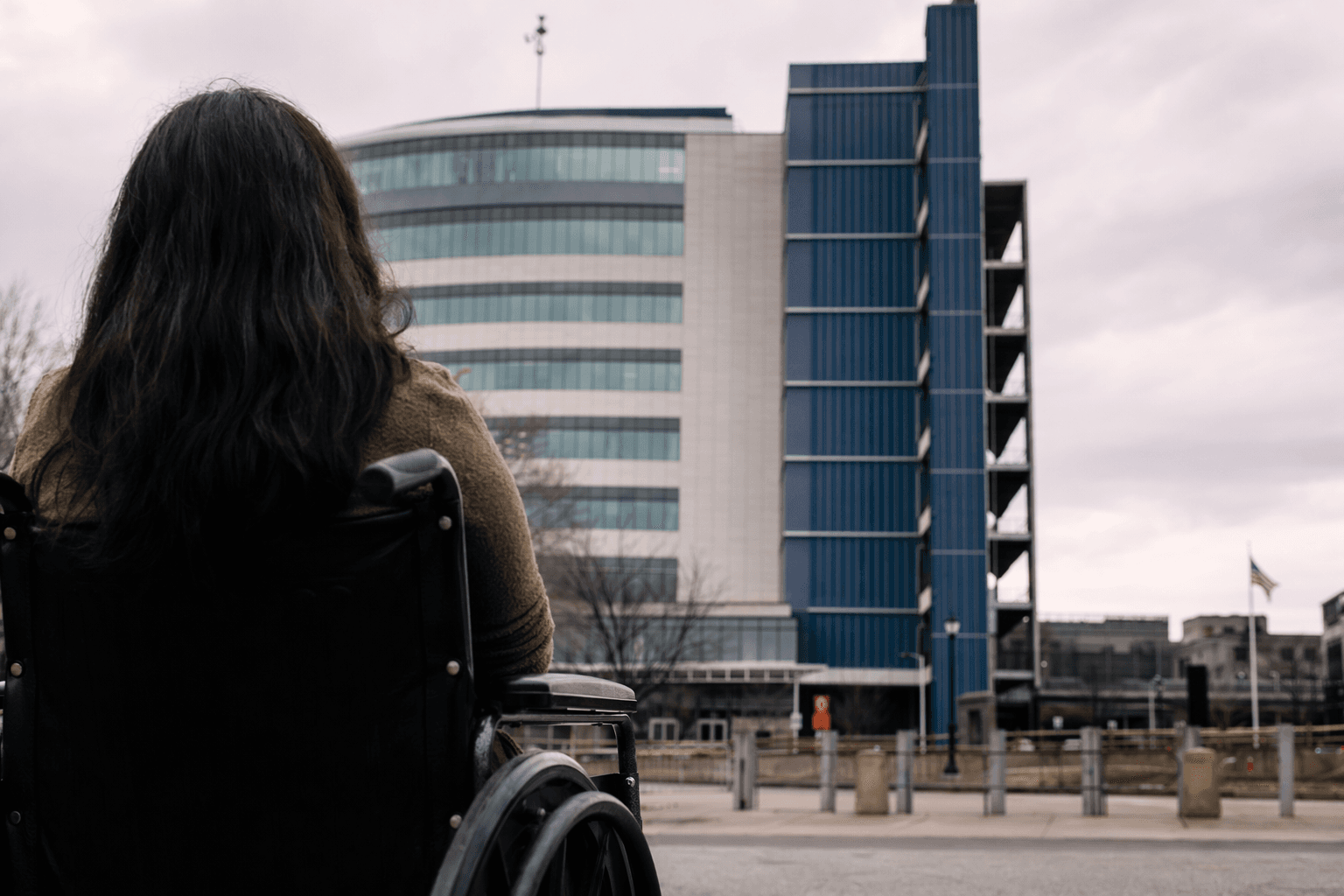
The Centers for Disease Control and Prevention halted telework as a reasonable accommodation for disabled employees and stopped renewing long-term telework agreements, a sharp break from a practice that had helped workers stay on the job for years. The agency’s human resources office said on September 16, 2025, that it would suspend approvals and would not renew existing agreements while it sought guidance from the Department of Health and Human Services.
The decision landed after HHS Instruction 990-3 took effect on August 13, 2025, declaring that telework is not an entitlement and pushing the department toward full-time in-person work. It also followed the Office of Personnel Management’s January 2025 return-to-office guidance, which directed agencies to require employees to report in person except in cases involving a disability, a qualifying medical condition or another compelling reason. The result was a collision between the federal government’s post-pandemic return-to-office push and disability accommodation law, with telework at the center of the dispute.

At the CDC, the policy drew immediate resistance from American Federation of Government Employees Local 2883 and Local 3840, which denounced the move as a civil-rights violation and urged an immediate reversal. The unions argued that the agency was overriding accommodations that had been granted long before the pandemic and cutting off a critical option for employees who depended on remote work to remain in federal service.
The CDC later began asking HHS for clarification and paused pending requests until further notice, signaling that the agency was not yet treating the matter as settled. But the pause did little to quiet concerns that the policy could spread beyond one health agency and reset expectations for federal employees with disabilities across government.
Senators Raphael Warnock and Tim Kaine added pressure by writing to HHS Secretary Robert F. Kennedy Jr., saying the policy harmed workers with disabilities, people with chronic disease or illness, people with compromised immune systems and disabled veterans. They said the changes created confusion and delays. For federal workers in Atlanta, Washington and beyond, the fight now goes to the heart of whether telework will remain a meaningful accommodation or become another casualty of Washington’s return-to-office campaign.
This article was produced by Prism’s automated news system from verified source data, official records, and press releases, then run through automated quality and moderation checks before publishing. The system is built and supervised by the people who set the standards it runs under. Read our full AI policy.
Did this article answer your question?