Coast Guard rescues people from sinking boat as vessel takes on water
A helicopter hoisted four survivors from the Sea Ranger after it began taking on water 130 miles south of Cordova, a reminder that many rescues start with routine trips gone wrong.
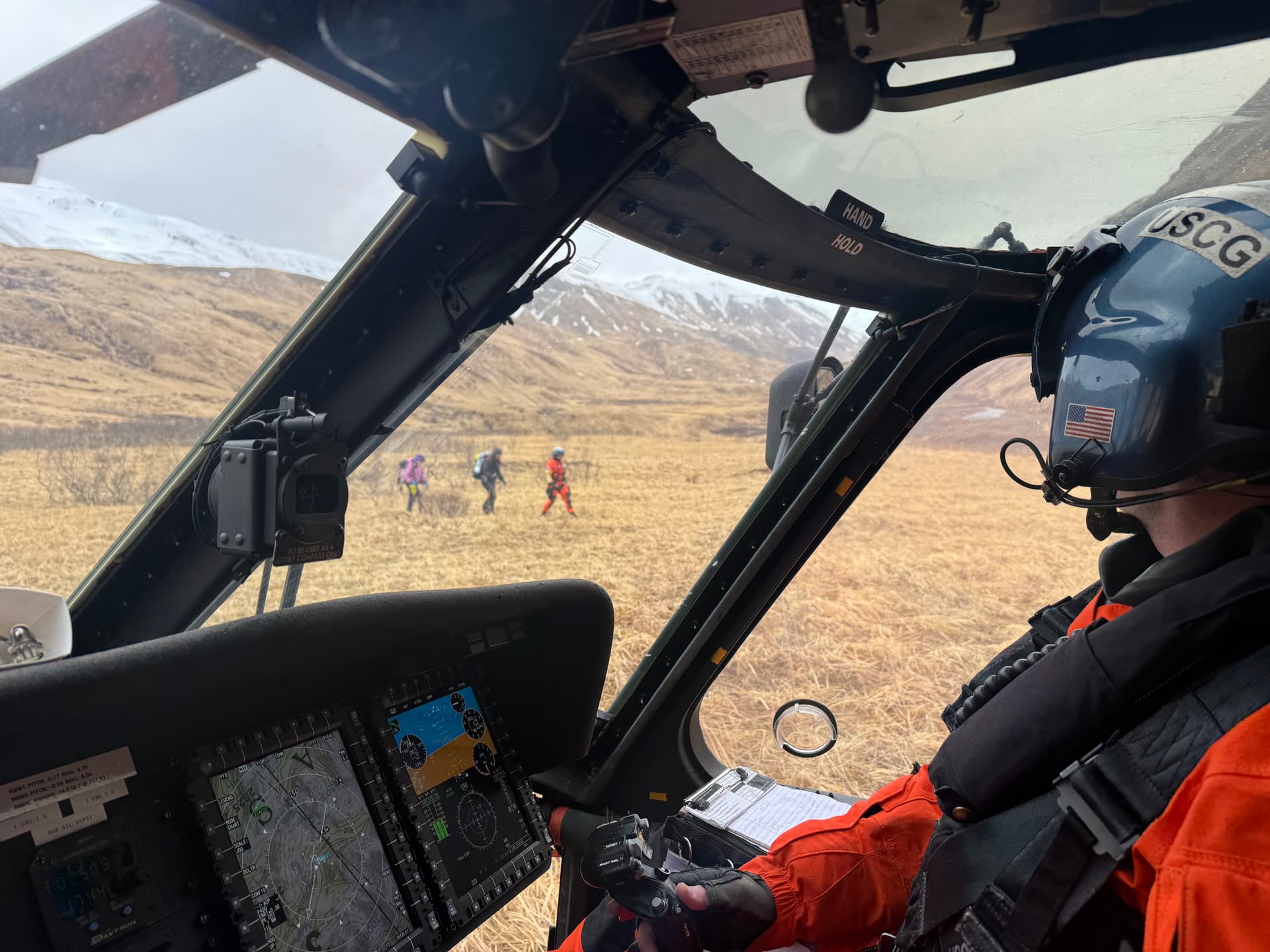
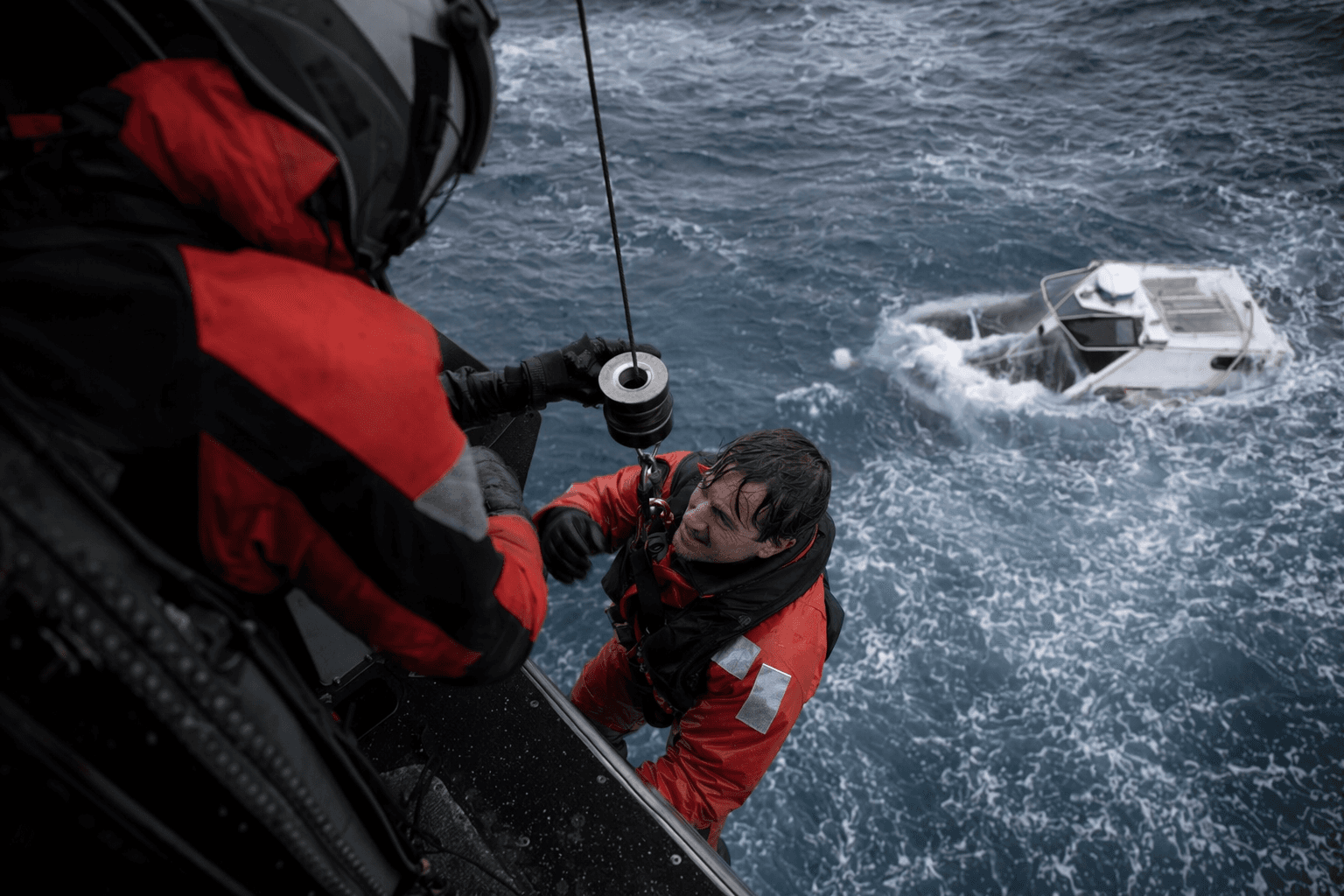
A video of people being pulled from a sinking boat captures the drama, but the more important story is how fast a calm trip can turn into a rescue call. In one case, four people aboard the 110-foot tug Sea Ranger were saved after the vessel started taking on water in the Gulf of Alaska, about 130 miles south of Cordova.
The Coast Guard said the distress report came in at about 10:17 a.m. on Aug. 1, 2025. A MH-60 Jayhawk helicopter from Coast Guard Air Station Kodiak found the vessel at about 1:08 p.m. and hoisted the four survivors from the Sea Ranger. The sequence shows how these emergencies unfold: a report, a search over open water, then a rapid air rescue before a sinking vessel can become a fatal one.
Similar cases have played out in different waters with the same underlying risk. On Jan. 23, 2025, the Coast Guard rescued four people about 10 miles south of Block Island, Rhode Island, after two fishing boats collided. In that incident, passengers from the Mattie and Maren II were transferred to a Coast Guard Station Montauk motor lifeboat and reported no injuries. In other sinking-vessel responses, officials have said crews pulled survivors directly from the water or took them ashore for evaluation.
The pattern is not limited to the North Atlantic or Alaska. The Coast Guard also rescued three people from a sinking boat off Florida’s Atlantic coast after a 27-foot vessel began taking on water off Stuart. In another case, a Coast Guard Station Marathon boat crew rescued four people after their 27-foot vessel began taking on water about 11 miles north of Marathon.
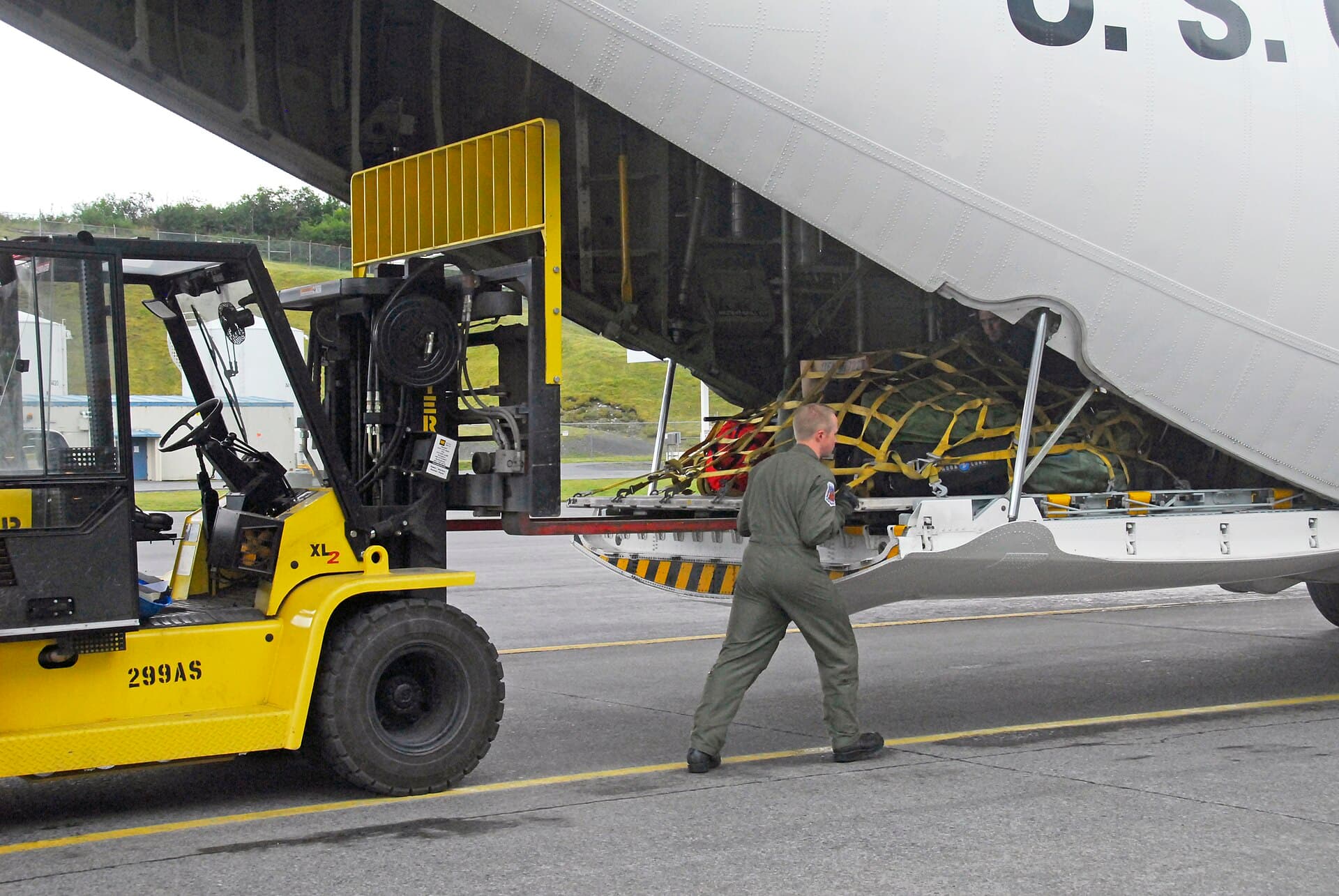
These rescues also show how the Coast Guard works beyond the dramatic hoist. Releases from sinking-vessel incidents note the agency often uses combined air and surface assets, coordinates with local emergency services, and may bring in environmental-response teams when fuel or pollution is a concern. That broader response reflects a simple reality: once a vessel starts founder, the problem is no longer just getting people off board. It is keeping a small emergency from becoming a disaster on the water.
This article was produced by Prism’s automated news system from verified source data, official records, and press releases, then run through automated quality and moderation checks before publishing. The system is built and supervised by the people who set the standards it runs under. Read our full AI policy.
Did this article answer your question?

