New lawsuits accuse UPS, Boeing and others over deadly Louisville crash
New lawsuits aim to map every hand on UPS Flight 2976, from inspection and maintenance to the decision to launch a jet that burned apart over Louisville.
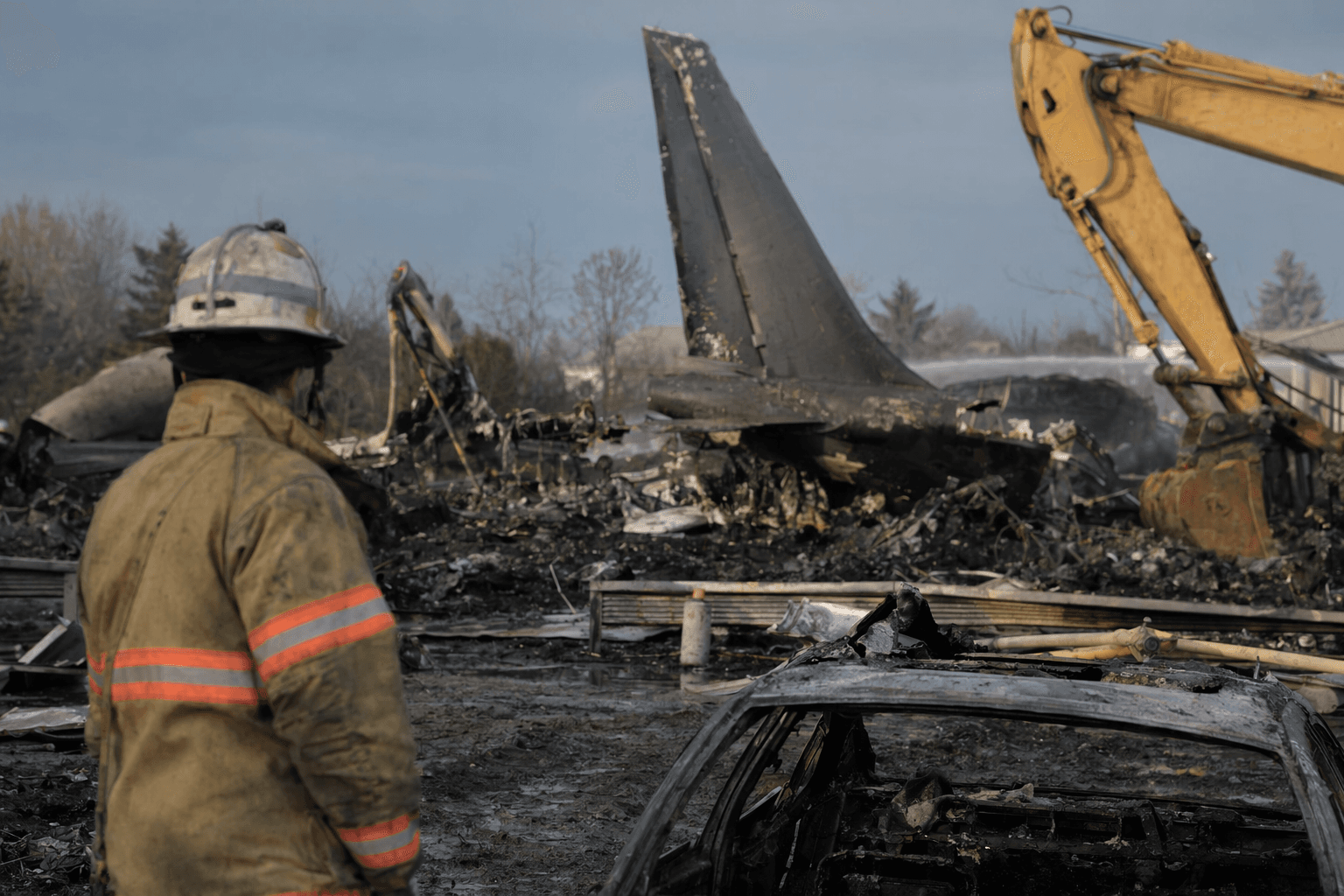
New civil lawsuits are trying to trace a fatal UPS cargo crash back through the maintenance, inspection and operating decisions that put the jet in the air. Filed Wednesday in Jefferson Circuit Court, the complaints expand the legal fallout from the Nov. 4, 2025, destruction of UPS Flight 2976 and sharpen the question at the center of the case: who accepted the risk, and who let a plane leave Louisville when it should not have flown?
The crash involved a Boeing McDonnell Douglas MD-11F, tail number N259UP, that lifted off runway 17R at Louisville Muhammad Ali International Airport shortly before 5:14 p.m. Eastern time and was headed to Honolulu as a Part 121 domestic cargo flight. The National Transportation Safety Board says all three crewmembers aboard were killed, along with 11 people on the ground; 23 others on the ground were injured. Later reporting and investigative material point to a left-engine separation before impact, followed by debris and fire spreading on the ground.
The new complaints come on top of earlier lawsuits that named UPS, Boeing and GE Aerospace and accused them of negligence, trespass, willful and wanton conduct, private nuisance and negligent infliction of emotional distress. One class-action filing said the crash "acted like a bomb," a description that captured how violently the impact and fire swept through nearby homes and businesses. Other claims have said the aircraft was faulty and that known risks were ignored before the nonstop flight to Honolulu departed.
That framing turns the litigation into an accountability roadmap for the cargo aviation supply chain. Plaintiffs are not only asking what failed in the air, but who inspected the aircraft before departure, who signed off on its condition, and how responsibility was distributed across contractors and operating partners. The cases also broaden the damages picture beyond wrongful death, reaching property damage, economic losses, trespass, private nuisance and emotional distress for residents and businesses near the airport.
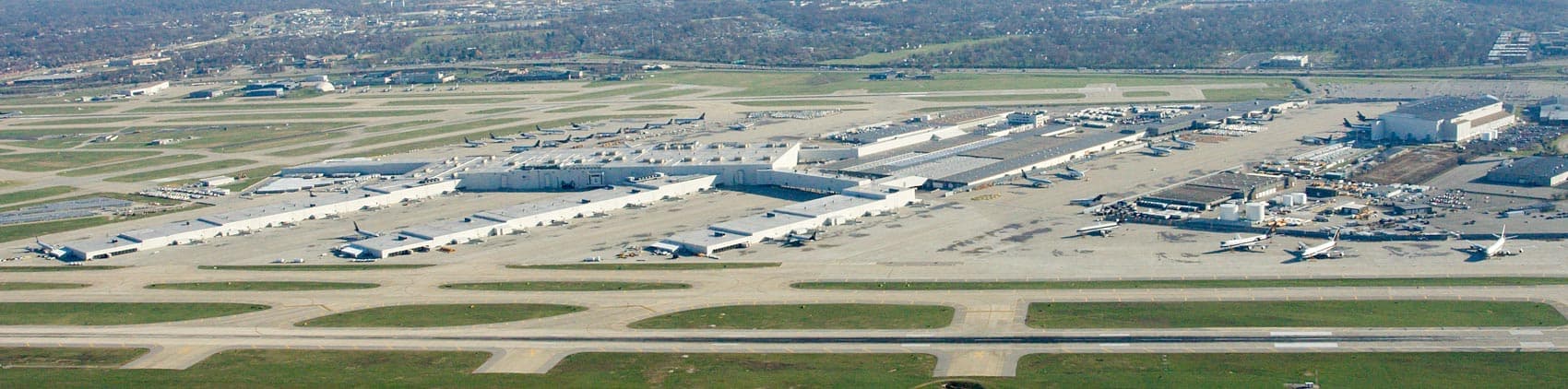
The federal investigation is still moving. The NTSB invited the FAA, UPS, Boeing, the Independent Pilots Association, GE Aerospace and the Teamsters Airline Division to participate, and it has scheduled a two-day investigative hearing for May 19 and 20. For Louisville, the crash is no longer only a question of what went wrong in the final seconds after takeoff. It is becoming a test of whether the chain of custody for a cargo jet was strong enough to keep a known danger from leaving the runway.
This article was produced by Prism’s automated news system from verified source data, official records, and press releases, then run through automated quality and moderation checks before publishing. The system is built and supervised by the people who set the standards it runs under. Read our full AI policy.
Did this article answer your question?

