CDC sees decade-high tick bite ER visits as Lyme disease cases rise
Tick-bite ER visits hit 71 per 100,000 in early April, more than double normal, as Lyme cases topped 89,000 and tick ranges kept spreading.

The first warning sign of a rough tick season was not a rash or a lab result. It was the surge in emergency room visits: during the second week of April, 71 out of every 100,000 ER visits were for tick bites, more than double the usual average of about 30 for this time of year.
That is the highest weekly rate for tick bites at this point in the year since at least 2017, according to the Centers for Disease Control and Prevention. The Northeast is seeing the most tick-bite ER visits, followed by the Midwest, Southeast, West and South Central United States, a pattern that tracks with where Lyme risk is strongest and where tick activity is broadening.
The CDC’s concern is not just about one bad week. The agency reported more than 89,000 Lyme disease cases to it by state health departments and the District of Columbia in 2023, and it says the disease has expanded significantly in geographic range since 1995. Blacklegged ticks, the primary vector for Lyme disease, continue to expand their range, while lone star ticks are now widely distributed in the Northeast, South and Midwest.
The CDC’s Tick Bite Data Tracker is built to show that shift in real time. First released in 2021 and publicly featured on the agency’s ticks site in 2024, the dashboard updates weekly and breaks down emergency department visits by week, month, region, age and sex. Public health officials say that timing matters because the tracker can help households and clinicians match prevention to the periods and places where risk is highest.
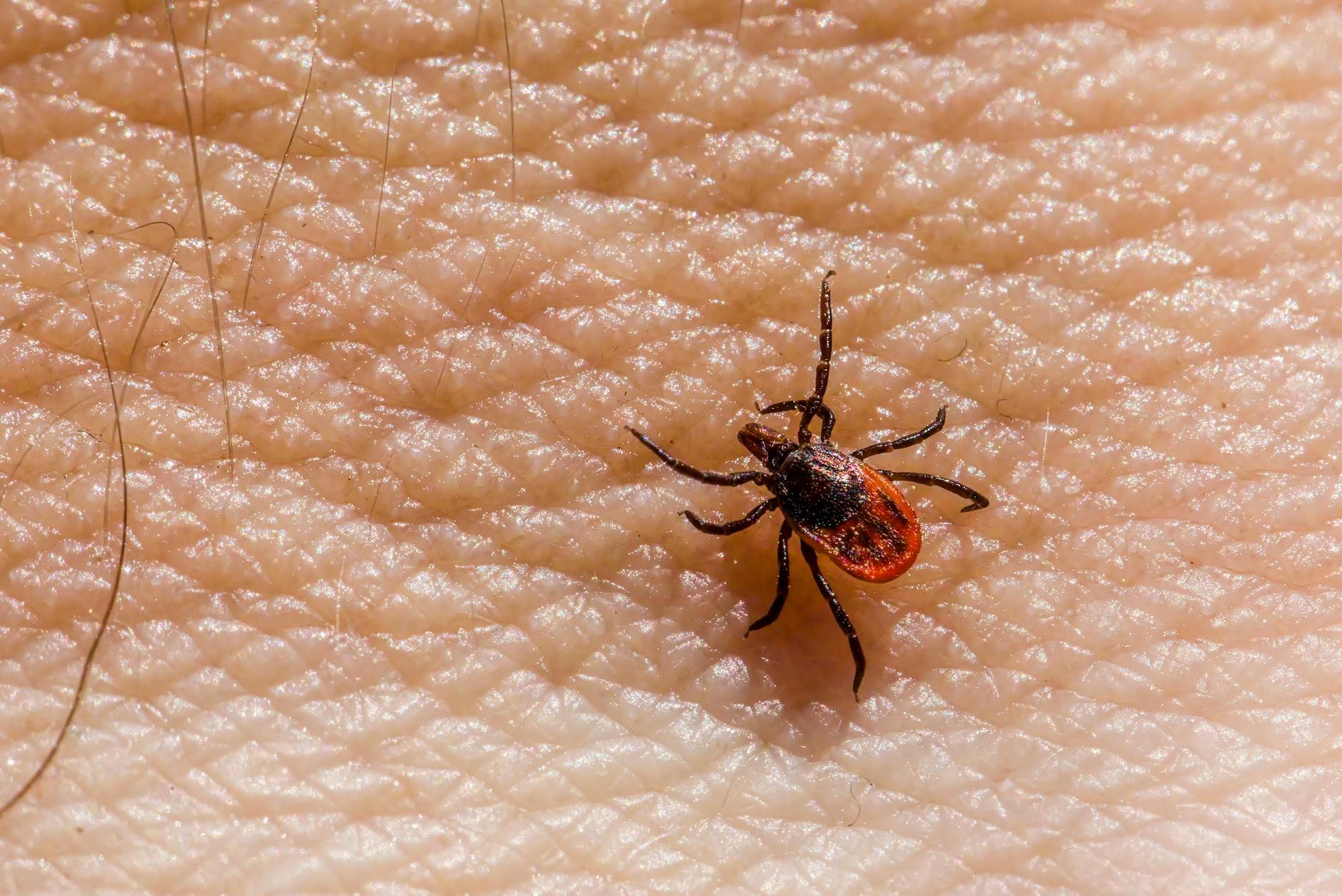
The prevention message is straightforward. The CDC says reducing exposure to ticks is the best defense against tickborne disease, and that tick exposure can happen year-round, especially during warmer months from April through September. Ticks live in grassy, brushy and wooded areas, but many people get bitten in their own yards or neighborhoods. The agency advises treating clothing and gear with 0.5% permethrin, using EPA-registered repellents, wearing long sleeves and pants, avoiding high grass and leaf litter, checking the body, clothing, gear and pets after being outdoors, and showering soon after coming inside. After a bite, it says, remove the tick as soon as possible and watch for rash or fever in the days and weeks that follow.
The pattern is clear: more bites, more reported disease and a wider tick footprint. That combination makes this a public-health warning, not just a seasonal nuisance.
This article was produced by Prism’s automated news system from verified source data, official records, and press releases, then run through automated quality and moderation checks before publishing. The system is built and supervised by the people who set the standards it runs under. Read our full AI policy.
Did this article answer your question?