Study links wildfire smoke exposure to higher cancer risk across types
Wildfire smoke was linked to sharply higher risks of lung, colorectal and bladder cancer, deepening concern that repeated exposure may drive long-term disease.
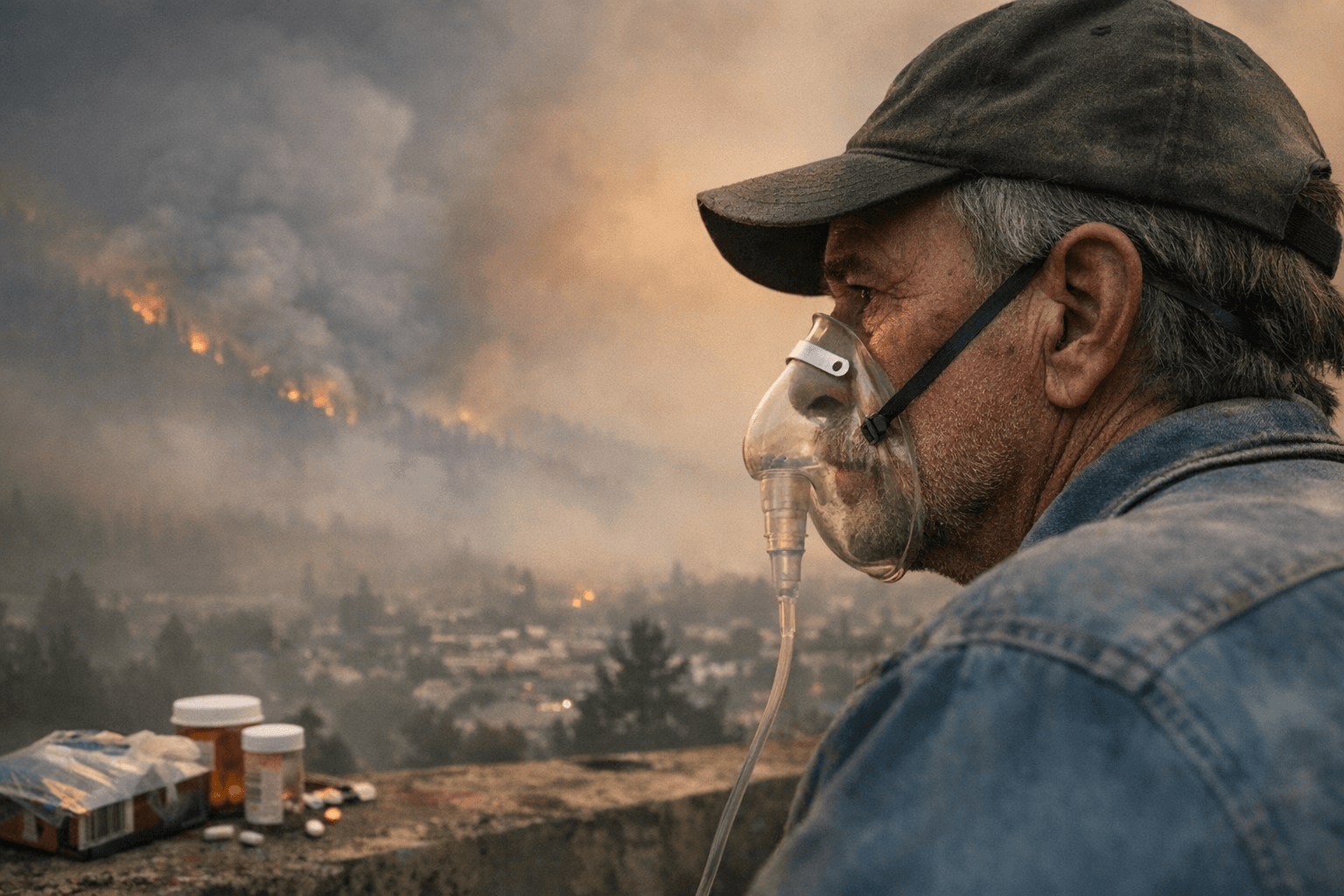
Wildfire smoke has been treated mostly as an acute respiratory threat, but new evidence points to a deeper hazard: repeated exposure may also raise the risk of several cancers, including lung, colorectal, breast, bladder and blood cancers. At the American Association for Cancer Research annual meeting in San Diego, researchers said the signal was strongest for lung, colorectal and bladder cancer, while the links with melanoma and ovarian cancer were not significant.
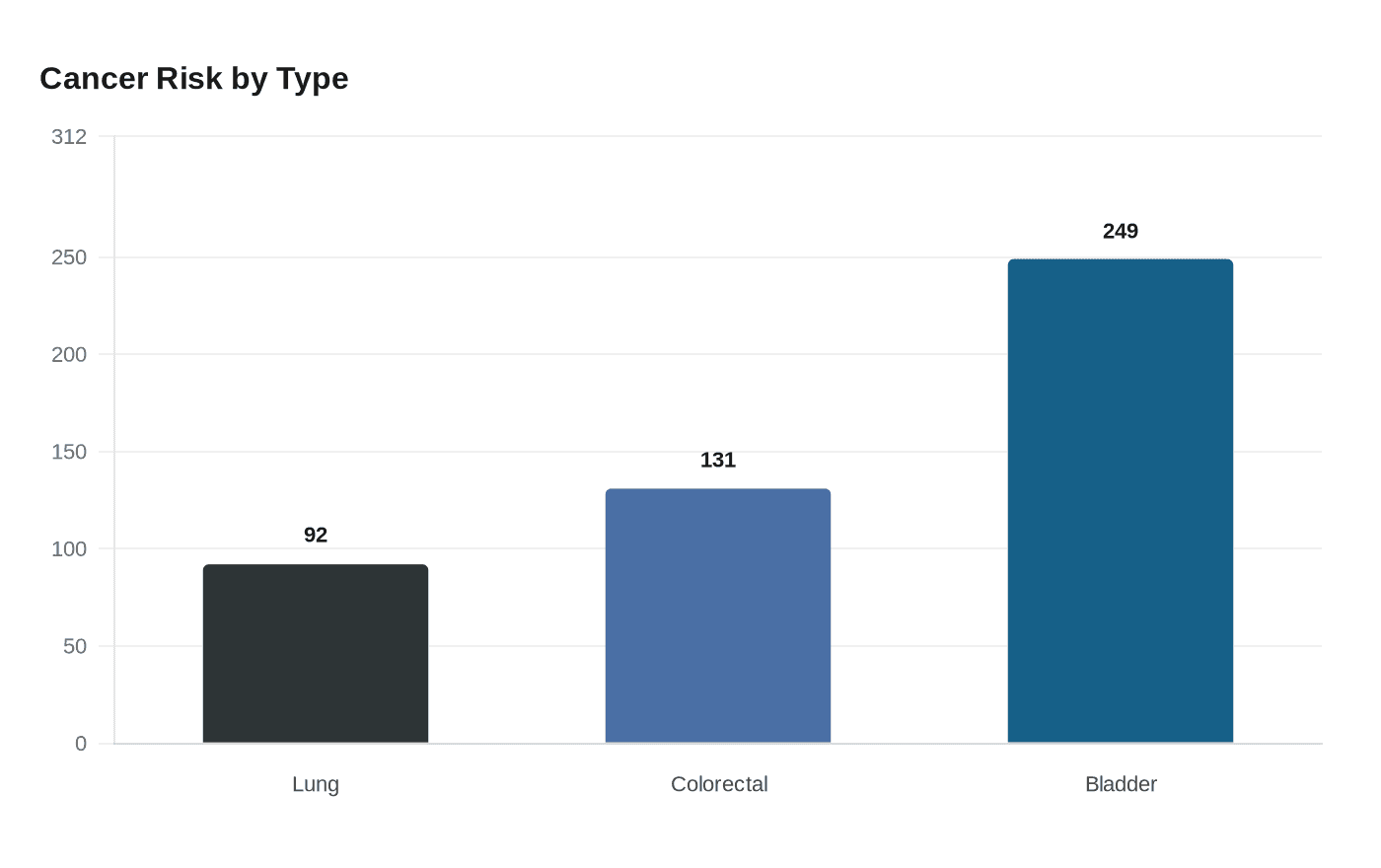
The study drew on the Prostate, Lung, Colorectal, and Ovarian Cancer Screening Trial and analyzed 91,460 evaluable participants, tracking cancer diagnoses from 2006 through 2018. Researchers found that each 1 microgram per cubic meter increase in wildfire smoke-containing PM2.5 was tied to a 92% greater risk of lung cancer, a 131% greater risk of colorectal cancer and a 249% greater risk of bladder cancer. The findings add to a growing body of evidence that wildfire smoke is more than a short-lived nuisance. It is a complex mix of black carbon, organic matter, salts, metals, carbon monoxide, benzene and other carcinogenic compounds that can travel hundreds of miles.
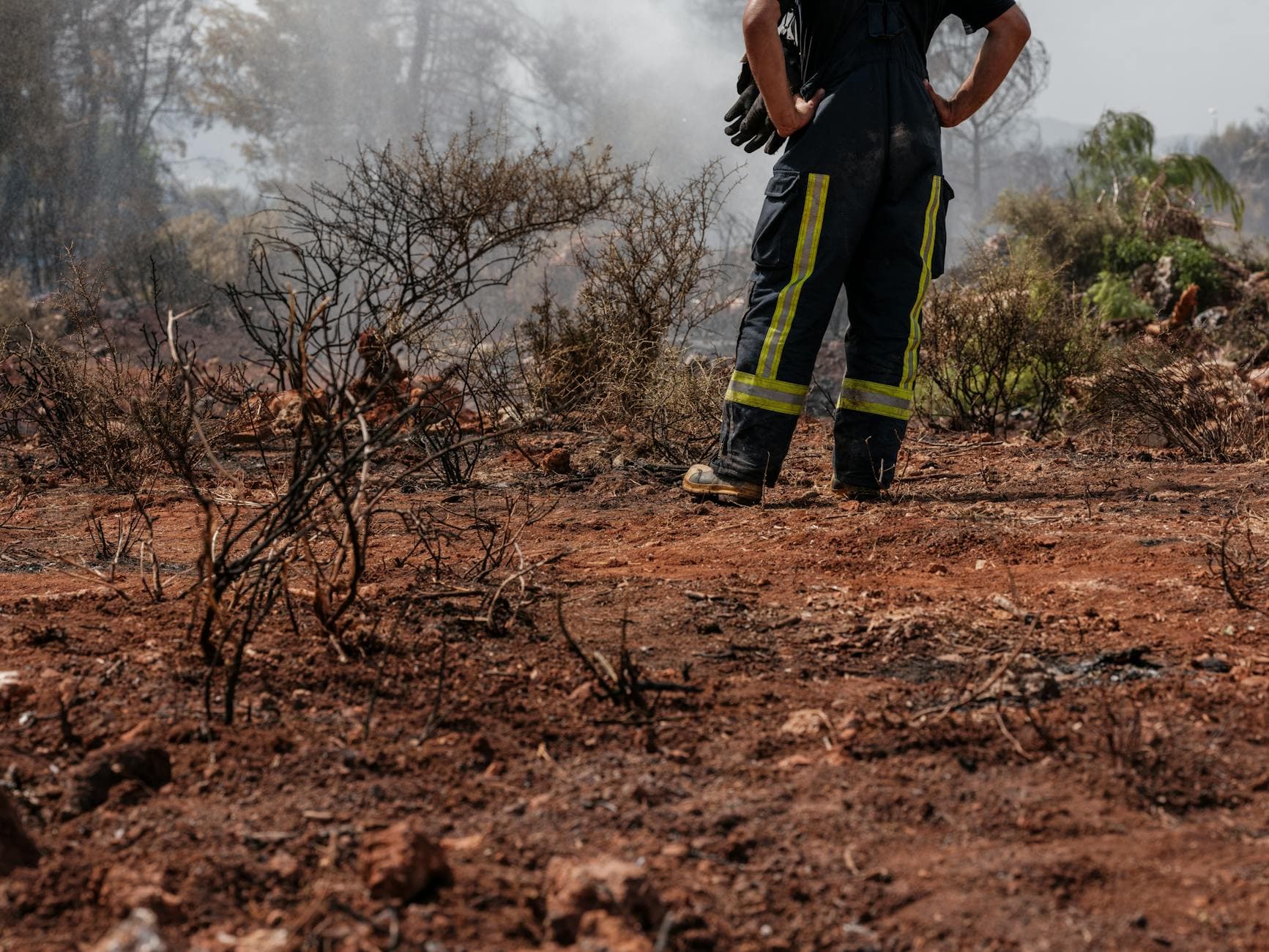
Shuguang Leng of the University of New Mexico Comprehensive Cancer Center said wildfire smoke may become an increasingly important driver of cancer burden in the United States as cigarette smoking declines and fires increase. First author Qizhen Wu said the smoke can affect not only the lungs but also the blood, potentially spreading carcinogens throughout the body. That matters because the danger is no longer confined to the days when the sky turns hazy and breathing becomes difficult. It may also be accumulating over years of repeated summer and fall exposure.
The policy implications are widening as the western United States sees larger wildland fires more often, with the U.S. Environmental Protection Agency linking the rise in acres burned to more than a century of fire suppression and a hotter, drier climate. The agency says its wildland fire research has focused on reducing smoke exposure for state, local, Tribal and health professionals. The National Institute for Occupational Safety and Health has also been developing a draft hazard review on wildland fire smoke exposure among farmworkers and other outdoor workers, including construction workers, oil and gas workers, park rangers and emergency responders.
Experts have identified outdoor workers, children, older adults and people with pre-existing health conditions as especially vulnerable, and they have pointed to inequitable access to health care and lung cancer screening as an added burden. If the cancer links are confirmed and sharpened by more studies, air-quality guidance, workplace protections and household smoke plans may need to shift from short-term caution to long-term prevention.
This article was produced by Prism’s automated news system from verified source data, official records, and press releases, then run through automated quality and moderation checks before publishing. The system is built and supervised by the people who set the standards it runs under. Read our full AI policy.
Did this article answer your question?