Cereal derivatives and probiotic strain improve sourdough functionality
A peer-reviewed study found adding trahanas, delignified wheat bran and Lactiplantibacillus paracasei SP5 to mother sponges boosted protein and antioxidant activity and altered bread quality.
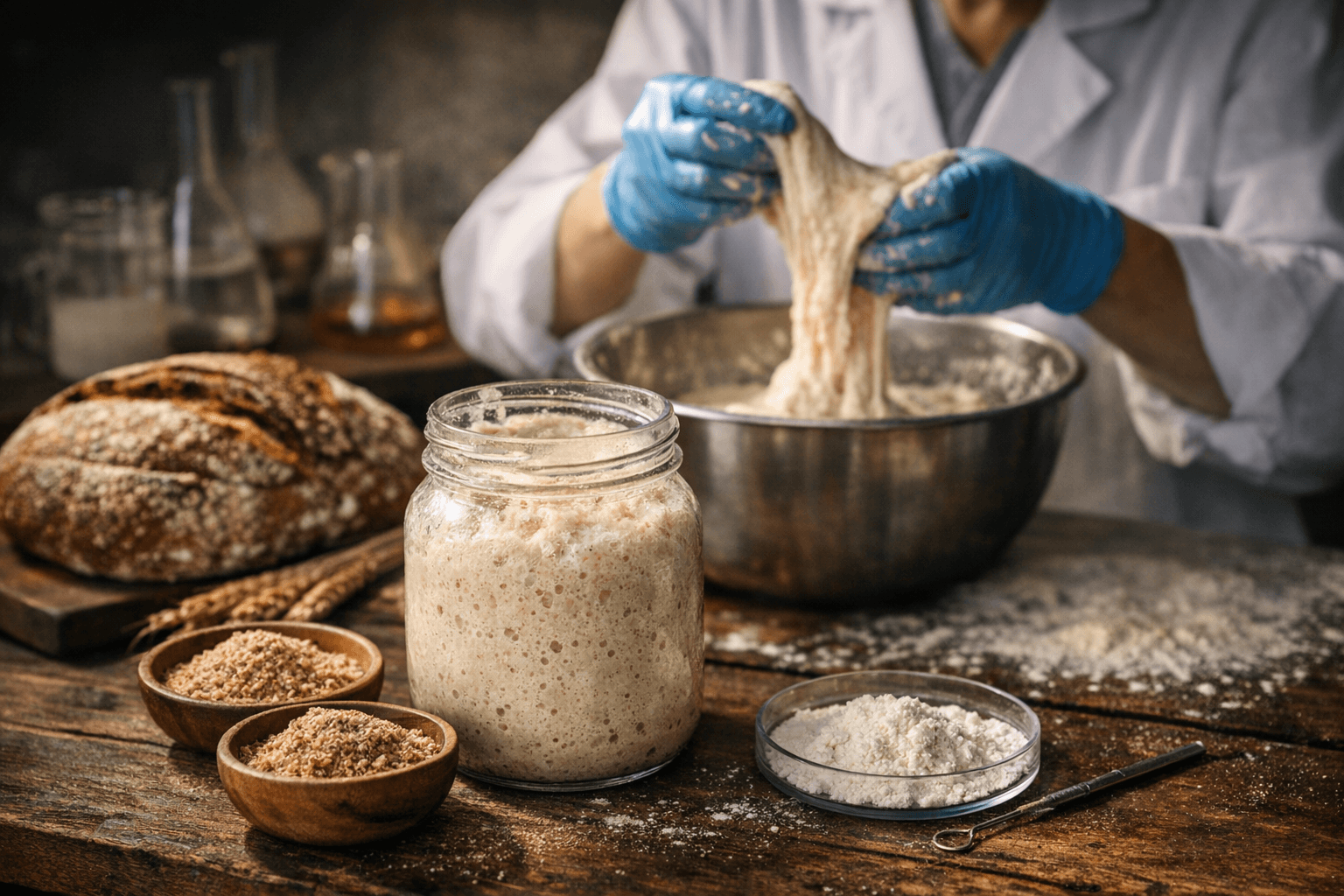
A peer-reviewed study published Jan. 8, 2026 tested whether cereal-based derivatives and a probiotic could make sourdough breads more functional, and found measurable gains in nutritional and antioxidant properties along with shifts in sensory and technological attributes. Bakers and small-scale producers interested in fortified loaves now have experimental data showing which ingredient paths can raise protein and antioxidant activity when incorporated into mother sponges.
The researchers incorporated two cereal derivatives—trahanas and delignified wheat bran—into sourdough mother sponges alongside the probiotic strain Lactiplantibacillus paracasei SP5. They tracked a range of outcomes: nutritional composition, several antioxidant assays, and standard bread-quality metrics that covered crumb, volume and other technological parameters. The paper provides full analytical methods and results, offering a technical blueprint for anyone who wants to replicate or adapt the formulations.
Key findings showed that specific cereal derivatives and the microbial addition increased functional properties such as total protein content and antioxidant activity in both sponge and finished bread. At the same time, those same additions changed sensory and dough-handling characteristics, underlining trade-offs between fortification and bake performance. The study’s detailed data let bakers see which combinations produced the biggest nutritional shifts and how those shifts correlated with measurable changes in loaf volume, crumb texture and likely mouthfeel.
This research matters because it moves beyond anecdote. Instead of guesswork about adding bran or cultured adjuncts, the study gives numbers and methods usable in a community bake lab or a product-development kitchen. The open-access paper is available on MDPI and includes tables and protocols that food scientists and artisan bakers can use to design their own trials and to compare antioxidant assays and nutritional analyses side by side.
Practical takeaways: test additions in small mother-sponge batches to observe fermentation speed, hydration needs and final crumb, and expect formulation tweaks for texture and flavor balance. Record exact inclusion rates, mixing regimes and proofing times so comparisons are meaningful. If you plan to market a “functional” sourdough, plan sensory tests; increased protein or antioxidant claims must match acceptable loaf quality for buyers.
The takeaway? You can boost the nutritional profile of your sourdough without guessing—use the study’s data to guide small-step experiments and keep an eye on how added ingredients change dough behavior and crumb. Our two cents? Start simple, document every bake, and treat your levain like a lab partner: it will tell you what it likes.
Sources:
Know something we missed? Have a correction or additional information?
Submit a Tip