Charities cite Justice Department probe in messages to account holders
Fidelity told donors the Southern Poverty Law Center was off-limits while the Justice Department’s fraud case hangs over the civil rights group.
Fidelity Charitable told account holders they could not send donor-advised grants to the Southern Poverty Law Center, tying the decision directly to the federal case against the civil rights group. In the email, Fidelity Charitable said, “Fidelity Charitable is aware of an ongoing governmental investigation into Southern Poverty Law Center,” and added, “Consistent with our grant-making standards and practices, the organization is not an eligible grant recipient during the ongoing investigation.”
The move comes after a federal grand jury in Montgomery, Alabama, indicted the Southern Poverty Law Center on April 21 on 11 counts, including wire fraud, false statements to a federally insured bank and conspiracy to commit concealment money laundering. The Justice Department said the organization secretly funneled more than $3 million in donated funds from 2014 through 2023 to individuals associated with violent extremist groups, including the Ku Klux Klan, Aryan Nations and the National Socialist Party of America.
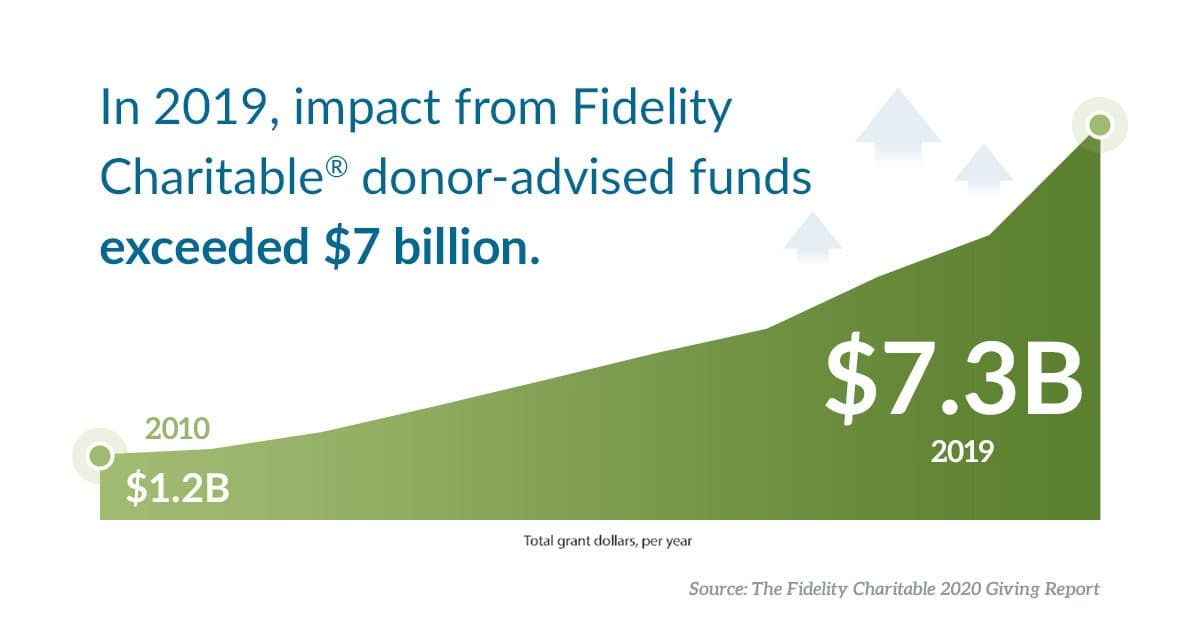
The episode highlights how much power donor-advised fund sponsors now exert over modern philanthropy. Under IRS rules, a donor-advised fund is a separately identified account maintained by a sponsoring organization, and once the donor contributes, the sponsor has legal control over the money. Fidelity Charitable says it is the sponsor of the largest donor-advised fund program in the country, and its 2025 giving report says more than 350,000 donors recommended $18.3 billion in grants last year.

That structure gives financial intermediaries the power to act as gatekeepers during legal controversy. For donors who see donor-advised funds as a way to support unpopular or politically fraught causes, the Fidelity decision shows that a sponsor can effectively freeze access to tax-favored charitable capital before a court has ruled on the merits of the underlying case. For charities, it is a warning that access to donor money can now depend as much on a sponsor’s risk judgment as on the donors’ intentions.
This article was produced by Prism’s automated news system from verified source data, official records, and press releases, then run through automated quality and moderation checks before publishing. The system is built and supervised by the people who set the standards it runs under. Read our full AI policy.
Did this article answer your question?
%3Amax_bytes(150000)%3Astrip_icc()%2FCertificate-of-deposit-2301f2164ceb4e91b100cb92aa6f868a.jpg&w=1920&q=75)